Paneer Whey Waste Estimator
Stop pouring down the drain! Enter your typical milk usage to see exactly how much protein and nutrients you are discarding with every batch of homemade paneer.
Enter values and click calculate to see your results.
Why This Matters
- Protein Loss: Liquid whey contains up to 50% of the original milk's protein. Discarding it means losing high-quality amino acids.
- Vitamins: Water-soluble vitamins like B12 and Riboflavin remain in the whey, not the curds.
- Culinary Use: Replace water with whey in doughs, rice, or soups to boost nutrition without adding fat.
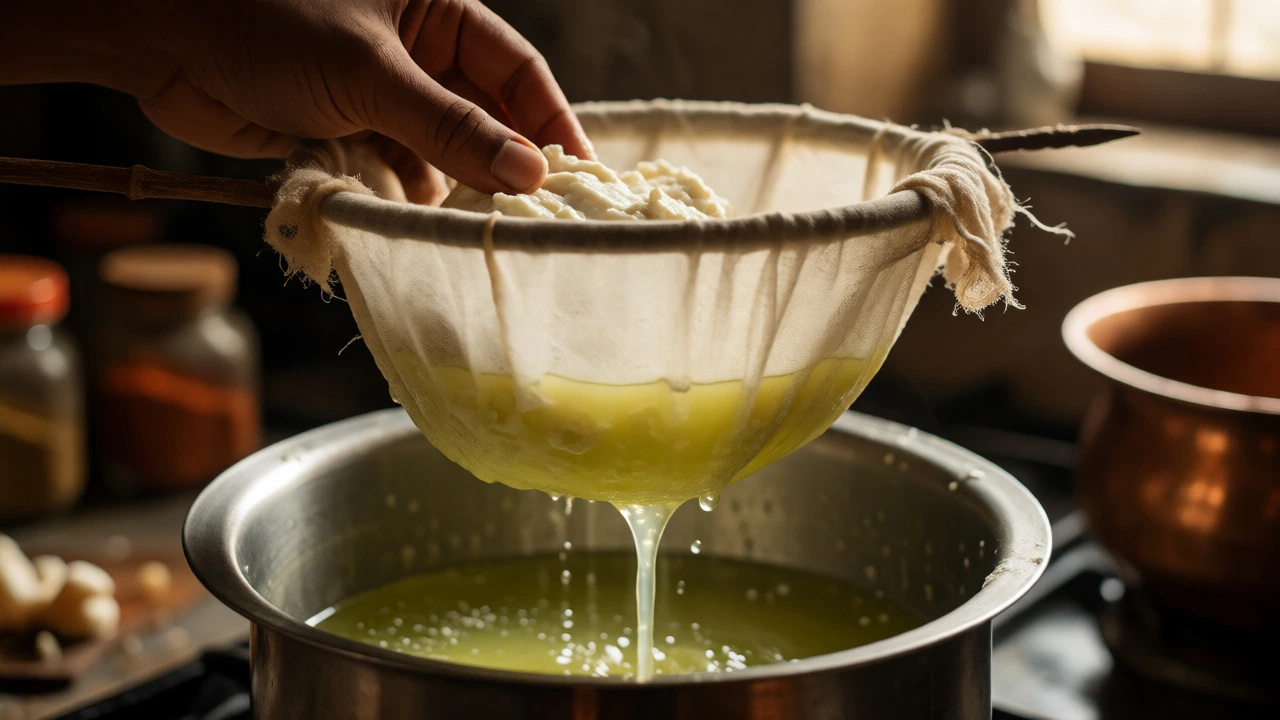
You just spent an hour making paneer at home. The milk curdled beautifully, you strained it through muslin cloth, and now you have a block of fresh cheese sitting on your counter. But what about that yellowish-green liquid left in the pot? Most people pour it down the sink without a second thought. Big mistake. That "waste" is actually liquid whey, one of the most nutritious byproducts in dairy processing.
It’s not just leftover junk. This liquid contains up to 50% of the nutrients originally present in the milk. It’s packed with protein, vitamins, and minerals. If you’re making homemade paneer regularly, throwing this away is like throwing away half your ingredients. Let’s figure out exactly what this liquid is, why it matters, and how you can stop wasting it.
The Science Behind the Yellow Liquid
When you make paneer, you add an acid-usually lemon juice or vinegar-to hot milk. This causes the casein proteins to coagulate and form solid curds. What remains behind is the whey. In technical terms, whey is the serum remaining after milk has been curdled and strained. Unlike the solid curds (which become paneer), whey stays liquid because its proteins remain soluble in acidic conditions.
This isn’t some industrial chemical. It’s natural. When you separate fat and solids from milk, the watery part is whey. It looks cloudy and slightly greenish-yellow because of riboflavin (vitamin B2) content. Don’t let the color scare you off; it’s completely safe and edible. In fact, in many traditional Indian households, this liquid was never wasted. Grandmothers used it for everything from soaking dal to watering plants. We’ve just forgotten these habits in our rush to modernize kitchens.
Nutritional Powerhouse Hiding in Your Sink
Why should you care about saving this liquid? Because it’s nutrient-dense. While paneer gives you calcium and saturated fats, whey provides high-quality protein and essential amino acids. According to standard nutritional data, one cup of liquid whey contains roughly 12 grams of protein and only about 60 calories. Compare that to a glass of whole milk, which has similar protein but significantly more fat and calories.
| Component | Whole Milk | Fresh Paneer | Liquid Whey |
|---|---|---|---|
| Protein | 3.4 g | 18-20 g | 0.8 - 1.0 g (concentrated higher) |
| Fat | 3.6 g | 20-25 g | 0.1 - 0.3 g |
| Carbs (Lactose) | 4.8 g | 2.0 g | 4.5 - 5.0 g |
| Calcium | 120 mg | 200-300 mg | 10-15 mg |
Notice the fat content in whey? It’s negligible. This makes it perfect for anyone watching their calorie intake but still wanting protein. Plus, it retains water-soluble vitamins like B12 and riboflavin that don’t get trapped in the curds. So, when you dump it out, you’re discarding valuable micronutrients.

Culinary Uses: Stop Pouring It Down the Drain
The easiest way to use whey is in cooking. Since it’s slightly tangy and rich in lactose, it adds depth to dishes without overpowering them. Here are practical ways to incorporate it into your daily meals:
- Kneading Doughs: Replace water with whey when making roti, naan, or pizza dough. The acidity helps activate yeast better, resulting in softer, fluffier bread. It also improves the shelf life of baked goods by keeping them moist longer.
- Cooking Grains: Use whey instead of plain water to cook rice, quinoa, or lentils. The grains absorb the nutrients during boiling. Dal cooked in whey tastes richer and has a subtle creamy texture.
- Smoothies: Blend chilled whey into fruit smoothies. It acts as a low-calorie liquid base that boosts protein content. Banana and berry smoothies pair particularly well with the mild tanginess.
- Soups and Stews: Add whey to vegetable soups or curries. It thickens the broth slightly and enhances flavor complexity. Try it in tomato-based soups for an extra layer of umami.
- Pickling: Use whey as a starter culture for fermenting vegetables. Its natural lactic acid bacteria help kickstart fermentation faster than saltwater alone.
If you make paneer weekly, you’ll accumulate enough whey to replace all the water you use for cooking grains and kneading doughs. It’s a zero-waste strategy that saves money and boosts nutrition simultaneously.
Beyond the Kitchen: Garden and Skincare Benefits
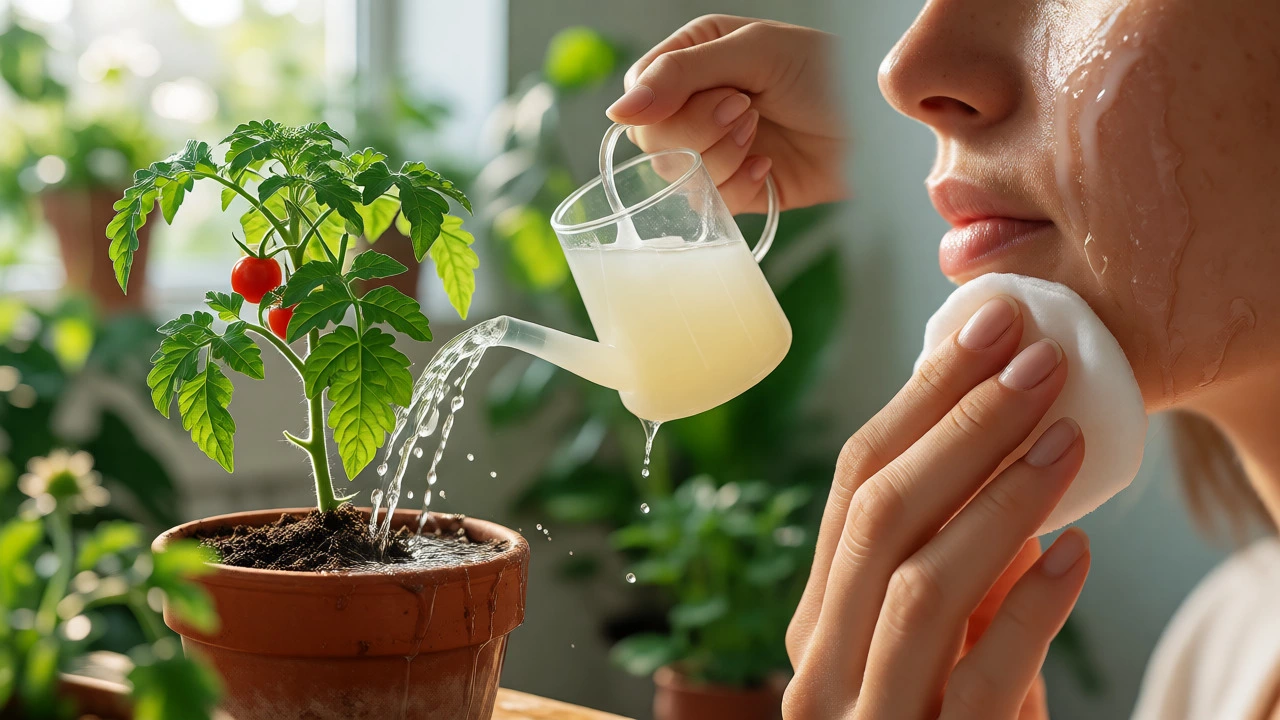
Not every drop needs to go into your stomach. Whey is excellent for plants and skin too. Plants love the nitrogen and potassium found in diluted whey. Mix one part whey with three parts water and use it to fertilize houseplants or garden beds. Tomatoes, peppers, and leafy greens respond especially well. Just ensure the whey is cooled to room temperature before applying it to roots.
For skincare, whey has been used traditionally as a toner. The lactic acid gently exfoliates dead skin cells while hydrating the face. Dip a cotton pad in cooled, fresh whey and swipe it across your face after cleansing. Leave it on for ten minutes, then rinse with cool water. You’ll notice smoother skin within a few uses. People with oily or acne-prone skin often find this helpful because lactic acid balances pH levels naturally.
How to Store and Preserve Paneer Whey
Fresh whey spoils quickly because it’s full of sugars and proteins. If you plan to use it within 24 hours, keep it refrigerated in a sealed container. For longer storage, freezing is the best option. Pour the cooled whey into ice cube trays. Once frozen, transfer the cubes to a zip-lock bag. These cubes can last up to six months in the freezer.
Label the bags with the date. Using frozen whey cubes is convenient-you can drop two or three directly into simmering soups or thaw them overnight for baking. Avoid leaving whey at room temperature for more than four hours, especially in warm climates like Sydney summers. Bacterial growth accelerates rapidly, turning the sweet smell sour and unpleasant.
Common Mistakes When Handling Whey
Many beginners make simple errors that ruin the potential of whey. First, don’t boil it aggressively if you want to retain maximum protein value. High heat denatures some beneficial compounds, though it remains safe to drink. Second, don’t confuse whey with buttermilk. They look similar but differ chemically. Buttermilk comes from churning butter; whey comes from curdling milk. Their flavors and uses overlap but aren’t identical.
Another pitfall is ignoring the source. If you used artificial food coloring or excessive preservatives in your milk, those chemicals end up in the whey. Always aim for pure, unadulterated milk when making paneer if you intend to consume the byproduct. Organic or grass-fed milk yields cleaner whey with fewer contaminants.
Is paneer whey safe to drink directly?
Yes, fresh paneer whey is safe to drink directly if it comes from clean, pasteurized milk. It tastes slightly sour and salty depending on the acid used. Many people enjoy it as a post-workout drink due to its high protein content. However, always check for spoilage signs like foul odor or slimy texture before consuming.
Can I feed paneer whey to my pets?
Dogs generally tolerate small amounts of whey well, especially if they aren't lactose intolerant. Cats may be more sensitive to dairy products. Start with a teaspoon mixed into their food to observe any digestive reactions. Avoid giving whey to pets if you added strong spices or garlic to the original milk preparation.
Does whey contain lactose?
Yes, whey contains lactose, which is the natural sugar found in milk. In fact, whey has a higher concentration of lactose relative to its total volume compared to whole milk because the fat and casein proteins have been removed. People with severe lactose intolerance should consume it cautiously or opt for lactose-free alternatives.
How long does homemade whey last in the fridge?
Homemade whey lasts about 5 to 7 days in the refrigerator when stored in a clean, airtight container. Keep it at a consistent temperature below 4°C (40°F). If it develops a yeasty smell or visible mold, discard it immediately. Freezing extends its life to several months.
Can I turn liquid whey into powder?
Home drying of whey is difficult without specialized equipment like a spray dryer. Simple dehydrators take too long and often result in clumpy, burnt powder. Commercially sold whey protein powders undergo filtration and drying processes that are hard to replicate in a home kitchen. For home use, freezing in cubes is far more effective and practical.