Tandoori Pairing Architect
Select your preferences to generate a balanced meal recommendation.
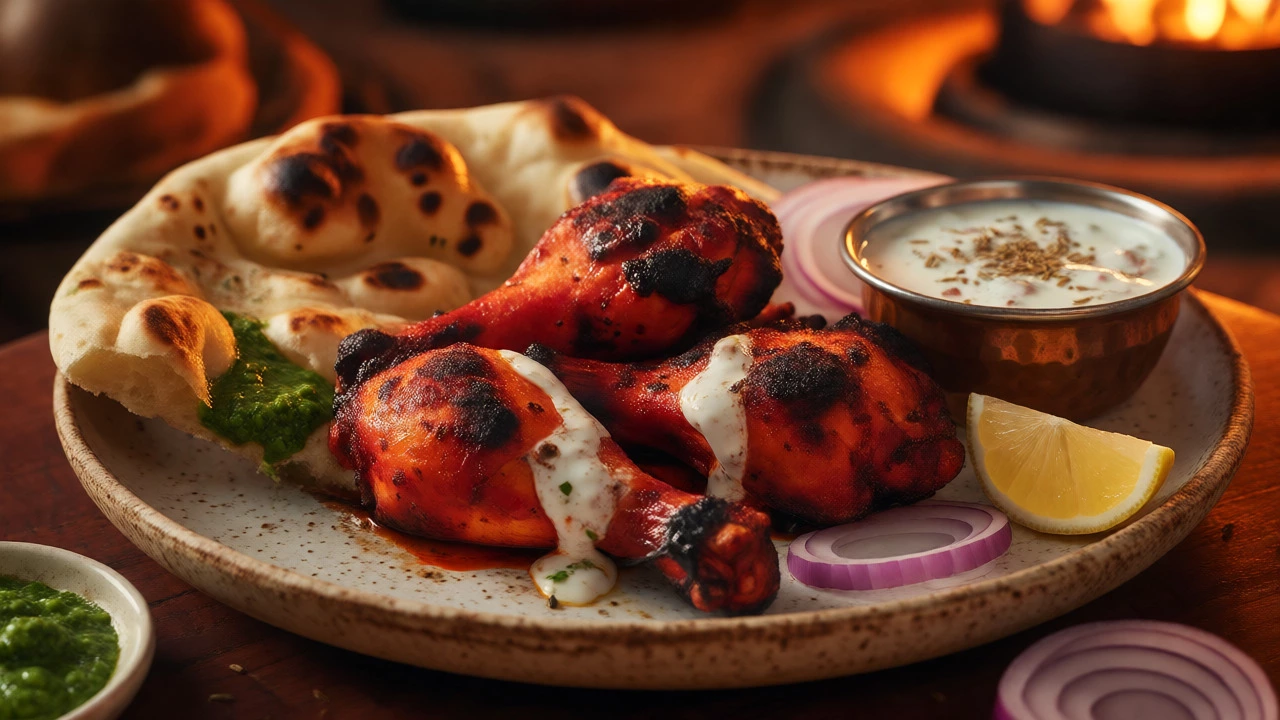
You’ve just pulled a perfectly charred, juicy piece of tandoori chicken out of the oven. It smells like smoke and spice, and it looks incredible. But if you eat it alone, you’re missing half the experience. This isn’t just about hunger; it’s about balance. The dry heat of the tandoor leaves the meat intense and slightly smoky, which demands specific companions to soften, cool, or complement that punch.
So, what actually goes on the plate? It’s not random. Traditional Indian dining follows a logic called "Rasa"-the essence or flavor profile. Tandoori chicken is hot, dry, and spicy. Therefore, its partners must be cooling, moist, or neutral to create harmony. If you serve it with another heavy, oily curry, you get fatigue. Serve it with the right sides, and you get a meal that feels complete and professional.
The Holy Trinity: Bread, Chutney, and Raita
If you remember nothing else, remember this trio. These three elements are non-negotiable in almost every authentic North Indian restaurant setting when tandoori chicken arrives.
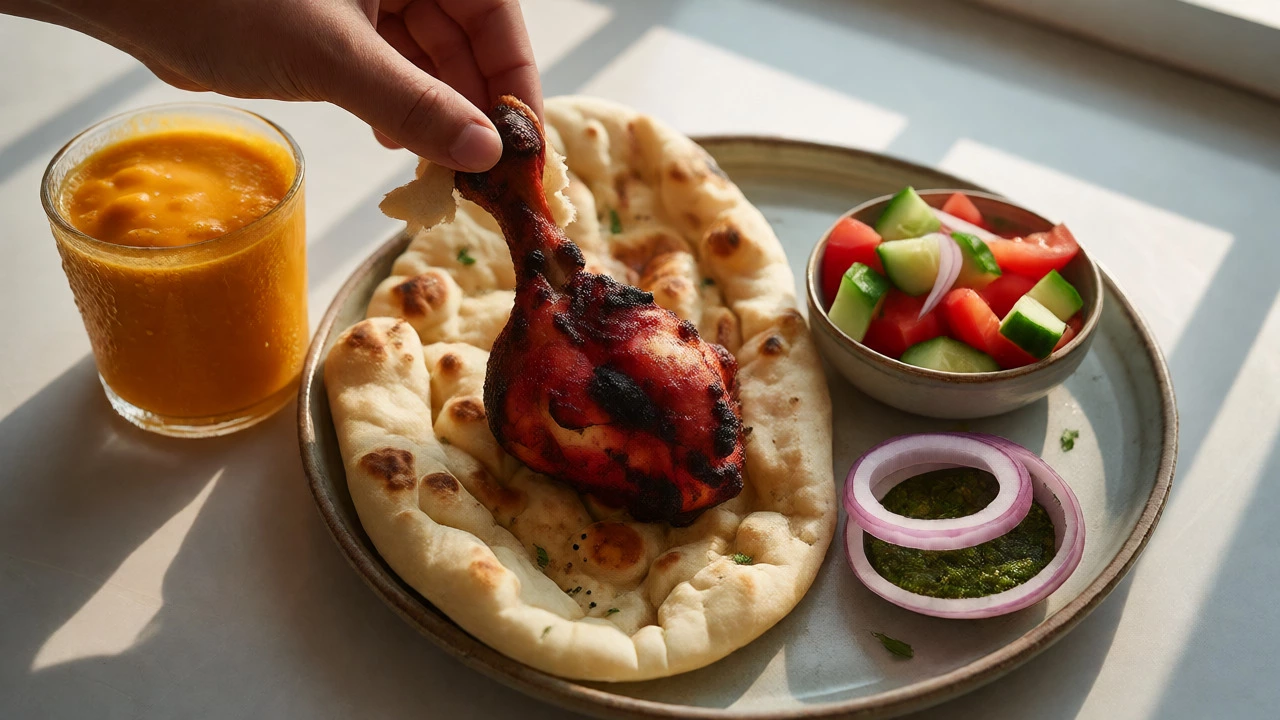
Naan is the vehicle. You don’t eat tandoori chicken with a fork and knife unless you’re trying to annoy your host. Naan is a leavened flatbread baked directly on the walls of the tandoor clay oven. Because it shares the same cooking environment as the chicken, it picks up similar smoky notes but retains a soft, chewy texture that contrasts beautifully with the crispy skin. Tear off a piece, scoop up some mint-coriander chutney, and wrap it around the chicken. That bite hits every note: crunch, softness, acid, and heat.
Speaking of chutney, let’s talk green sauce. A bright, herbaceous dip made from fresh cilantro (coriander), mint, green chilies, lemon juice, and garlic cuts through the richness of the yogurt marinade used on the chicken. Without this acidity, the dish can feel one-dimensional. Some places offer tamarind chutney too, which adds sweetness, but the green stuff is the classic counterpoint to the heat.
Then there is raita. This is a yogurt-based condiment mixed with cucumber, onion, or boondi (fried chickpea droplets). Why yogurt? Because casein in dairy binds to capsaicin (the chemical that makes chili peppers hot) and washes it away. If you’ve ever burned your tongue on a wing, you know milk helps. Raita does exactly that but with flavor. It cools the palate between bites, allowing you to taste the spices in the next piece of chicken rather than just feeling the burn.
Why Plain Rice Often Fails Here
Here is a common mistake people make at home: serving tandoori chicken over a bed of steamed basmati rice. While edible, it’s not traditional for a standalone appetizer or main course in the Punjabi style. Rice is usually paired with wet gravies like butter chicken or dal makhani. Tandoori chicken is dry. Dry food on dry grains creates a mouthful that requires constant drinking to swallow.
However, if you want rice, go for jeera rice (cumin rice) or plain boiled basmati with a squeeze of lemon. The lemon mimics the acidity of the chutney. But honestly? Skip the rice. Save room for more naan or paratha. The bread absorbs the juices dripping from the chicken better than rice does.
Salads and Fresh Vegetables for Crunch
Tandoori meals are heavy. To keep things light, Indians often include raw salads. This isn’t just garnish; it’s a functional palate cleanser.
- Kachumber Salad: Diced cucumbers, tomatoes, onions, and green chilies tossed with lemon juice and chaat masala. The crunch provides textural contrast to the tender meat.
- Onion Rings: Thinly sliced red onions soaked in ice water and vinegar. They become crisp and mild, removing the harsh sulfurous bite of raw onion while keeping the sharpness that cuts fat.
- Lemon Wedges: Never skip these. Squeezing fresh lime over the charred skin brightens the entire dish instantly.
These vegetables aren't just healthy add-ons; they provide the necessary water content to balance the low-moisture nature of roasted meats. Think of them as internal hydration for your meal.
Beverage Pairings That Actually Work
What you drink matters as much as what you eat. Alcohol doesn’t always play nice with high-heat Indian spices. Beer can work, but carbonation often amplifies the burning sensation. Instead, look at traditional non-alcoholic options first.
| Drink | Why It Works | Best For |
|---|---|---|
| Mango Lassi | Sweet, creamy, and thick. The sugar and fat neutralize heat effectively. | Those who can’t handle spice |
| Masala Soda | Fizzy, salty, and spiced with cumin/black salt. Cuts through grease. | Light drinkers wanting refreshment |
| Jaljeera | Cumin and mint cooler. Aids digestion and reduces bloating. | Heavy meals |
| Lager Beer | Cold temperature soothes burn; malt balances char. | Western-style dining contexts |
If you prefer wine, avoid high-tannin reds like Cabernet Sauvignon. Tannins clash with spice, making the alcohol taste metallic and the food taste bitter. Go for an off-dry Riesling or a Gewürztraminer. The slight sweetness counters the chili heat, and the high acidity matches the lemon in the chutney.
Regional Variations: What Changes by Location?
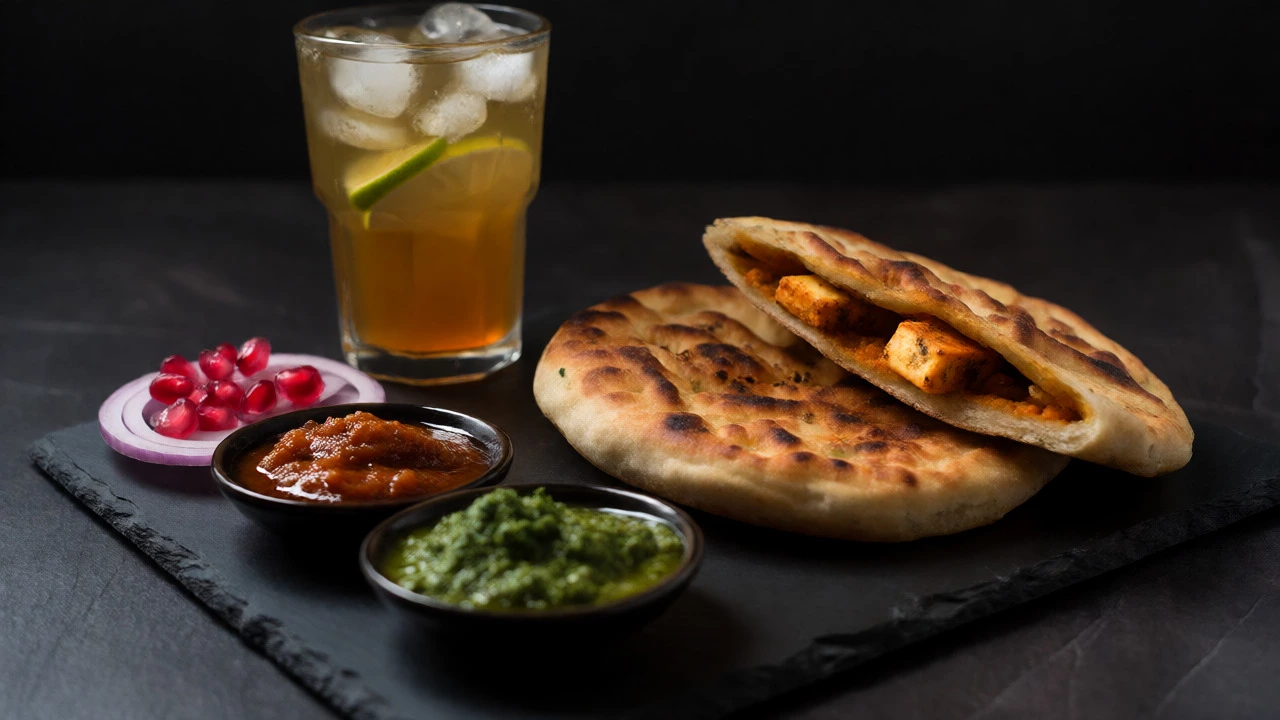
Not all tandoori experiences are identical. In Punjab, where the dish originated, you might see it served with kulcha (stuffed naan) instead of plain naan. Stuffed with paneer or potatoes, kulcha adds a second layer of starch and protein.
In Delhi street food stalls, you’ll often find tandoori chicken served with green chutney AND imli (tamarind) chutney side-by-side. The sweet-sour tamarind offers a different kind of relief compared to the sharp mint.
In Mumbai, influenced by coastal cuisine, you might see coconut chutney alongside the standard green dip. Coconut adds a fatty, soothing element that works well if the chicken was marinated with less oil.
And in upscale restaurants abroad, you might encounter onion salad with pomegranate seeds. The tart pop of pomegranate replaces the need for extra lemon, adding visual flair and complex acidity.
How to Build Your Own Platter
You don’t need a tandoor oven to recreate this pairing at home. Follow this simple formula:
- The Star: Your grilled or oven-roasted chicken pieces.
- The Scoop: Warm naan, roti, or even pita bread if you’re out of options.
- The Coolant: A bowl of raita or plain yogurt with a pinch of salt.
- The Zinger: Green chutney (blend mint, cilantro, garlic, ginger, chili, lemon).
- The Crunch: Sliced onions and lemon wedges.
- The Drink: Mango lassi or sparkling water with lime.
This structure ensures you never have a boring bite. Every mouthful should vary in temperature, texture, and intensity. If everything is hot and soft, you’re doing it wrong.
Common Mistakes to Avoid
Don’t serve cold naan. It becomes tough and rubbery. Reheat it briefly in a pan or microwave before serving. Don’t use store-bought ketchup as a substitute for chutney. The sugar in ketchup fights the savory spices instead of balancing them. And please, don’t drown the chicken in gravy. Tandoori chicken shines because of its dryness and char. Adding a wet sauce masks the very qualities that make it special.
Finally, pay attention to portion sizes. Tandoori chicken is rich. Two or three pieces are enough per person if you have ample sides. Overloading the plate leads to waste and discomfort.
Is naan bread mandatory with tandoori chicken?
While not strictly mandatory, it is highly recommended. Naan provides the necessary texture contrast and acts as a utensil for scooping chutney and wrapping meat. Alternatives include roti, paratha, or even lettuce wraps for a low-carb option, but naan remains the traditional standard.
Can I serve tandoori chicken with rice?
Yes, but it is less traditional for standalone tandoori dishes. Rice pairs better with saucy curries. If you choose rice, opt for jeera rice or plain basmati with lemon to add moisture and acidity, compensating for the dryness of the chicken.
What is the difference between raita and chutney?
Raita is yogurt-based, cooling, and creamy, designed to neutralize heat. Chutney is typically herb-based (mint/cilantro) or fruit-based (tamarind/coconut), offering acidic, sharp, or sweet flavors to cut through richness. Both serve different balancing roles in the meal.
What drinks go best with tandoori chicken?
Traditional choices include mango lassi, jaljeera, or masala soda. For alcoholic beverages, choose off-dry white wines like Riesling or a cold lager beer. Avoid high-tannin red wines as they can clash with the spices.
Why do people serve raw onions with tandoori chicken?
Raw onions provide a crisp, sharp, and pungent contrast to the soft, smoky meat. Soaking them in vinegar or lemon juice mellows their harshness while retaining their crunch, helping to cleanse the palate between bites.