Meat Preference Checker for Indian Diets
How Compatible Are You With Indian Food Culture?
Find out which meats you can enjoy in India based on your dietary preferences and background.
India doesn’t just have a lot of vegetarians-it has the largest vegetarian population in the world. Over 38% of Indians don’t eat meat at all, and millions more avoid certain types of meat for religious, cultural, or regional reasons. If you’re wondering what meat isn’t eaten in India, the answer isn’t just one thing-it’s a mix of traditions, beliefs, and daily practices that shape what ends up on the plate-and what doesn’t.
Beef Is Almost Always Off the Menu
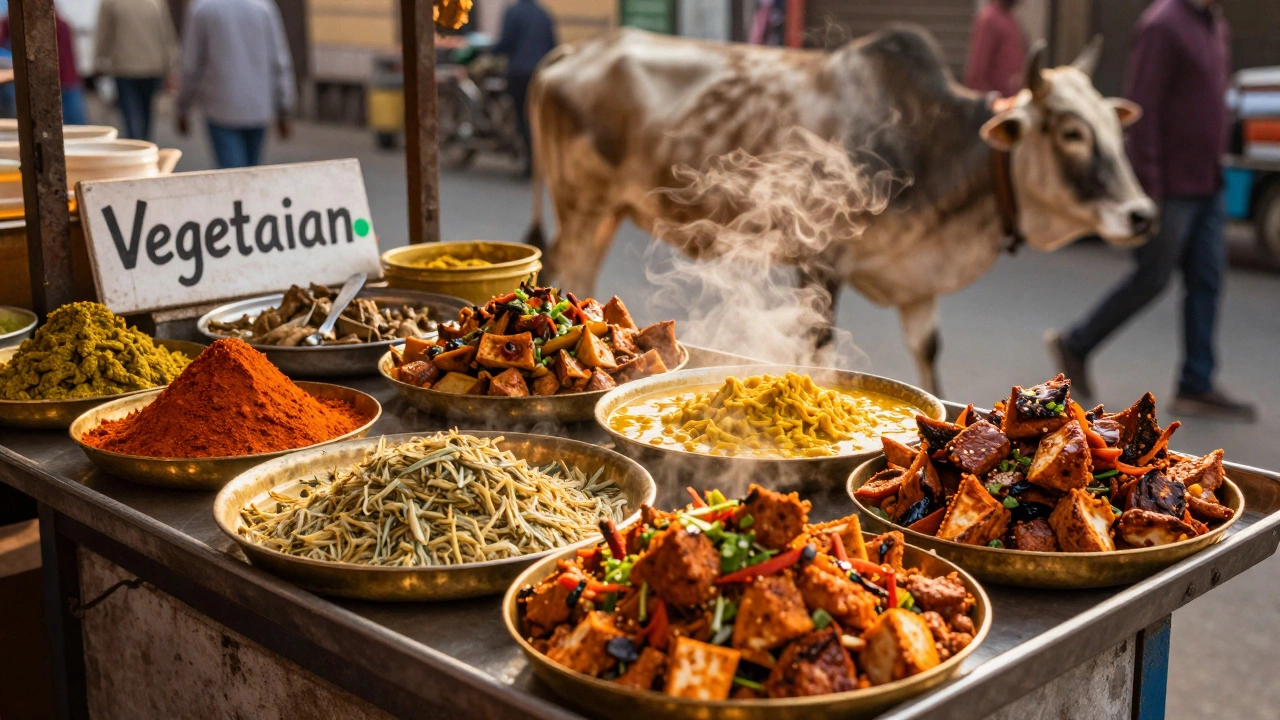
The most obvious answer to ‘what meat isn’t eaten in India?’ is beef. Cows are considered sacred in Hinduism, which is practiced by about 80% of the population. Killing a cow is illegal in 20 out of 28 Indian states, and even in states where it’s not banned, most people avoid it out of respect. You won’t find beef burgers, beef curry, or beef tacos in homes, street stalls, or restaurants across most of the country. Even in cities like Mumbai or Delhi, where global food trends are strong, beef is rarely served. In fact, in many places, the mere mention of beef can cause discomfort or offense.
This isn’t just about religion. It’s woven into daily life. Cows provide milk, dung for fuel, and labor in rural areas. They’re seen as maternal figures, symbols of abundance and non-violence. Even non-Hindus, like many Muslims and Christians in India, often avoid beef out of social harmony. In 2023, a survey by the Pew Research Center found that over 95% of Hindus in India said they don’t eat beef. That’s not a small minority-it’s nearly everyone.
Pork Is Rare, But Not Forbidden
Pork is another meat that’s uncommon in India, but for different reasons. It’s not banned or considered sacred, but it’s rarely eaten because of the large Muslim population-about 14% of the country-who follow Islamic dietary laws that prohibit pork. In many households, even non-Muslim families avoid pork simply because it’s not part of the local food culture. You won’t find bacon, pulled pork, or pork sausages in most Indian kitchens.
There are exceptions. In the northeastern states like Nagaland, Mizoram, and Goa, pork is eaten regularly. Goan Catholics cook pork vindaloo, and tribal communities in the northeast roast pork with local spices. But these are regional outliers. Outside of these areas, pork is hard to find in grocery stores, and most restaurants don’t list it on menus. If you’re looking for pork in Delhi or Bangalore, you’ll need to search specifically for it-and even then, it’s not common.
Chicken and Goat Are the Most Common Meats
While beef and pork are mostly avoided, chicken and goat (often called mutton in India) are the two most popular meats. Chicken is affordable, widely available, and accepted across religions. You’ll find chicken tikka, chicken curry, and chicken biryani in homes from Kerala to Punjab. Goat meat is especially popular in Muslim communities and in the south and west of India. It’s the star of dishes like mutton curry and kebabs.
But even here, there’s nuance. Many Hindus who eat meat avoid beef and pork but still choose chicken or goat. Some upper-caste Hindus avoid all meat, while others eat only fish or chicken. It’s not black and white. The rules vary by region, caste, family tradition, and personal belief.
Fish Is Eaten, But Not Everywhere
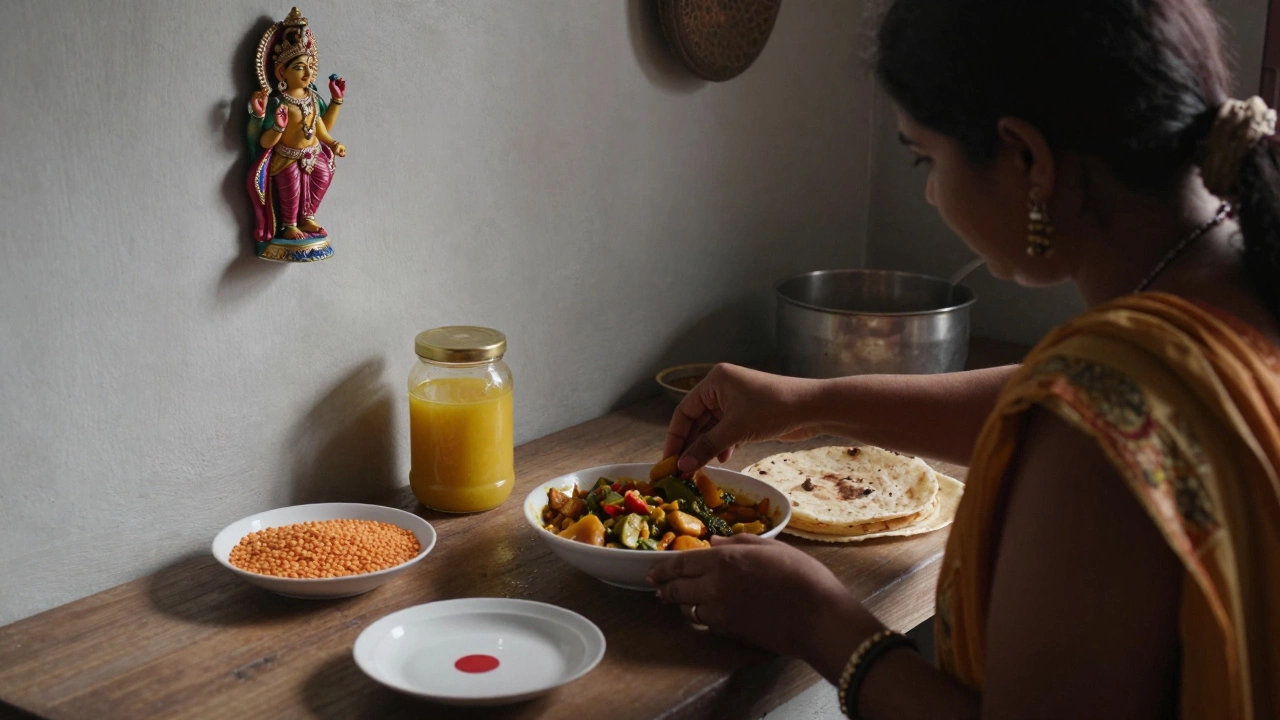
Fish is eaten in coastal areas and by communities that don’t follow strict vegetarianism. Bengal, Kerala, Odisha, and Goa have strong fish-eating traditions. Hilsa, pomfret, and Rohu are common. But in northern and western India-especially in states like Rajasthan, Gujarat, and Uttar Pradesh-fish is often avoided. Why? Some Hindu communities consider fish impure or associate it with lower castes. Others simply don’t have access to fresh fish inland.
So while fish isn’t banned like beef, it’s not universally accepted. In many vegetarian households, even if they eat chicken, they still avoid fish. It’s one of the most confusing meats to navigate in India because it falls into a gray zone.
Why Do So Many Indians Avoid Meat?
It’s not just religion. While Hinduism, Jainism, and Buddhism promote non-violence (ahimsa), there are also practical reasons. In rural India, meat is expensive. A kilo of chicken costs more than double the price of lentils or vegetables. For families living on low incomes, plant-based meals are the only option.
Also, meat preparation requires more time, fuel, and cleaning. In homes without refrigerators or modern kitchens, keeping meat fresh is hard. Lentils, rice, and vegetables last longer and are easier to cook in bulk.
Jainism takes vegetarianism to another level. Jains don’t eat root vegetables like potatoes, onions, or garlic because harvesting them kills the plant-and potentially tiny insects. Many Jains are strict vegans and avoid honey, eggs, and even dairy in some cases. Their influence has helped shape India’s broader culture of plant-based eating.
What You’ll Actually Find on an Indian Plate
Even if you’re not vegetarian, you’ll eat well in India. Dal (lentils), chana (chickpeas), paneer (Indian cottage cheese), and a rainbow of vegetables are the backbone of most meals. You’ll get rich, spiced curries made with tomatoes, coconut, tamarind, and yogurt. Roti, rice, and naan are served with everything. In the south, you’ll find dosas and idlis fermented with lentils and rice. In the north, you’ll get paneer tikka and aloo gobi.
Many restaurants label dishes as ‘vegetarian’ with a green dot and ‘non-vegetarian’ with a red dot. That’s because the difference matters. Even if you don’t care, your server will. It’s not a menu choice-it’s a cultural norm.
What About Eggs?
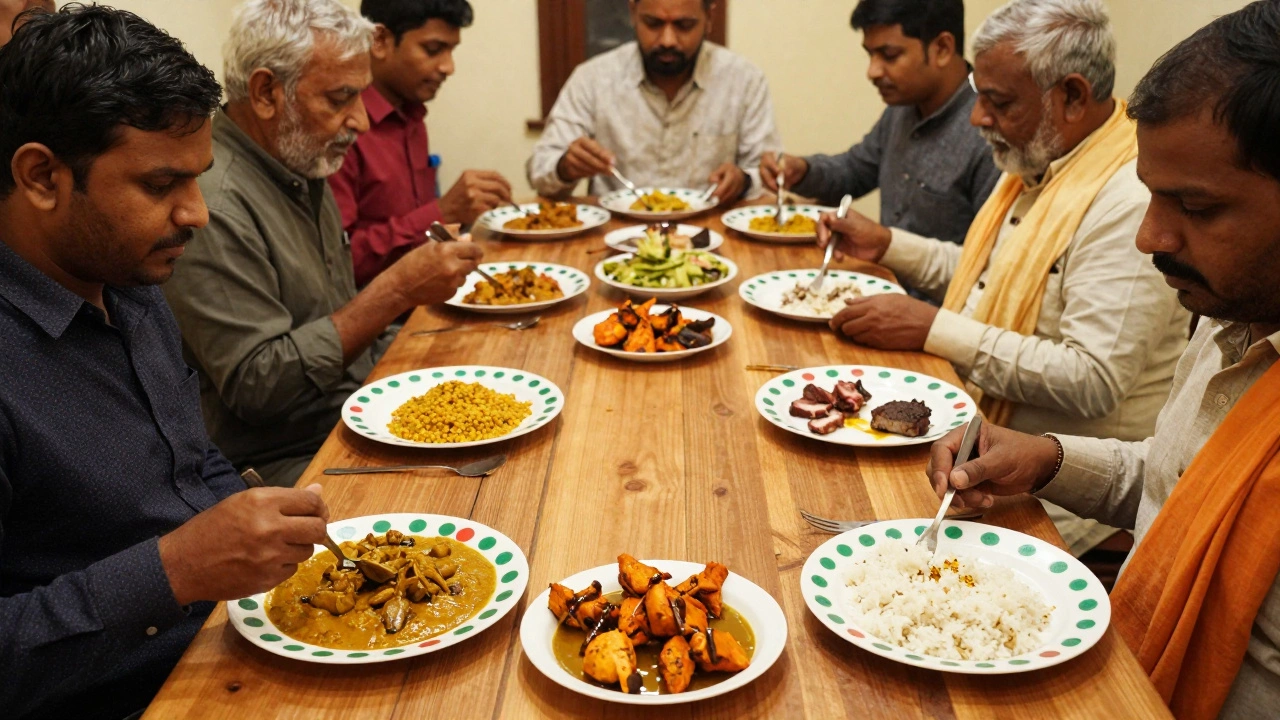
Eggs are a gray area. Some vegetarians in India eat eggs, calling themselves ‘ovo-vegetarians.’ Others, especially strict Hindus and Jains, avoid them completely because they see eggs as potential life. In many households, eggs are treated like meat. You won’t find them in traditional vegetarian meals unless someone specifically says they eat them.
It’s common to ask: ‘Do you eat eggs?’ before serving a meal. That’s not rude-it’s practical. If you’re hosting someone vegetarian, you’ll want to know if eggs are okay.
What Happens When You Travel?
If you’re visiting India and you eat meat, you’ll find plenty of options-but you’ll need to ask. Don’t assume a dish is meat-free. ‘Chicken curry’ is obvious. But ‘special curry’ or ‘house curry’ might contain meat. Always ask: ‘Is this vegetarian?’ or ‘Does this have meat?’
Also, avoid saying ‘I don’t eat beef’ like it’s a personal preference. It’s not. It’s a cultural boundary. Saying you avoid it because you’re ‘allergic’ or ‘on a diet’ can sound dismissive. Just say: ‘I don’t eat beef.’ It’s enough.
It’s Not About Restriction-It’s About Identity
What meat isn’t eaten in India? Beef, pork, and often fish and eggs. But the real question isn’t about what’s missing-it’s about what’s present. India’s food culture thrives on plants, spices, and centuries of tradition. The absence of certain meats isn’t a limitation-it’s a reflection of deep values. You don’t need meat to eat well in India. In fact, you might eat better without it.
Why is beef not eaten in India?
Beef is not eaten in India because cows are considered sacred in Hinduism, the majority religion. Killing cows is illegal in most states, and even where it’s not banned, cultural respect makes beef consumption extremely rare. Over 95% of Hindus avoid beef, and many non-Hindus follow suit to honor local customs.
Do all Indians eat vegetarian food?
No, not all Indians are vegetarian, but about 38% are, which is the highest percentage in the world. Many others eat chicken, goat, or fish, but avoid beef and pork. Dietary habits vary by region, religion, caste, and income.
Is pork completely avoided in India?
Pork is avoided by most Indians due to the large Muslim population, who don’t eat pork for religious reasons. It’s also not part of mainstream Hindu or Jain diets. However, in states like Goa and the northeast, pork is commonly eaten and is part of local cuisine.
Can vegetarians in India eat eggs?
Some vegetarians in India eat eggs, calling themselves ovo-vegetarians. But many, especially strict Hindus and Jains, avoid eggs because they believe they contain life. It’s best to ask before serving eggs to someone who says they’re vegetarian.
What meats are commonly eaten in India?
Chicken and goat (called mutton in India) are the most common meats. They’re widely accepted across religions and regions. Fish is eaten in coastal areas but avoided in many northern and western states. Beef and pork are rarely eaten.