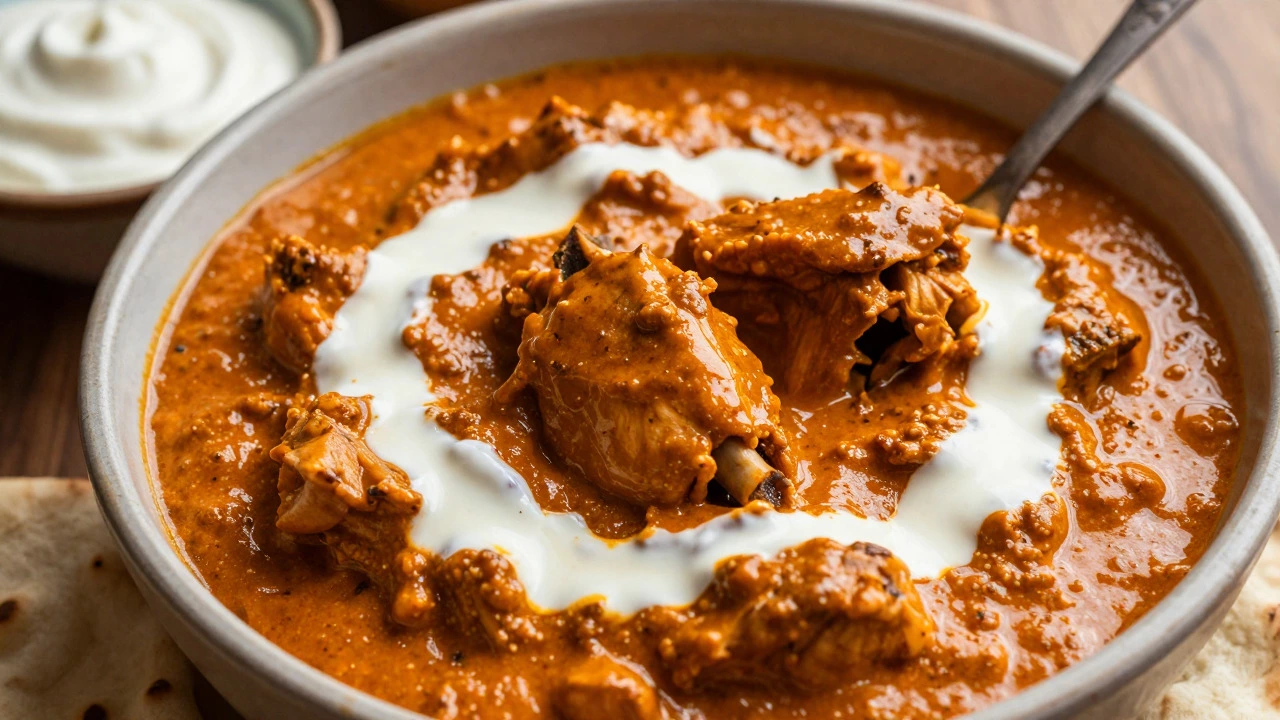
🍛 Curry Thickening Assistant
Recommended Method
Ever stared at a pot of chicken curry that looks more like soup than a dish you can scoop with naan? It happens to the best of us. The difference between a watery mess and a rich, coating sauce usually comes down to one thing: understanding what actually thickens the liquid.
You don't need fancy equipment or rare ingredients. You just need to know which method fits your specific recipe style. Whether you are making a quick weeknight dinner or a slow-simmered traditional gravy, the mechanism for thickening is different. Let's break down exactly how each ingredient works so you can fix your sauce in real-time.
The Creamy Method: Yogurt and Coconut Milk
If you want a smooth, velvety texture without extra cooking time, dairy or fat-based thickeners are your best friends. This is the go-to approach for dishes like Korma, Butter Chicken, or many South Indian curries.
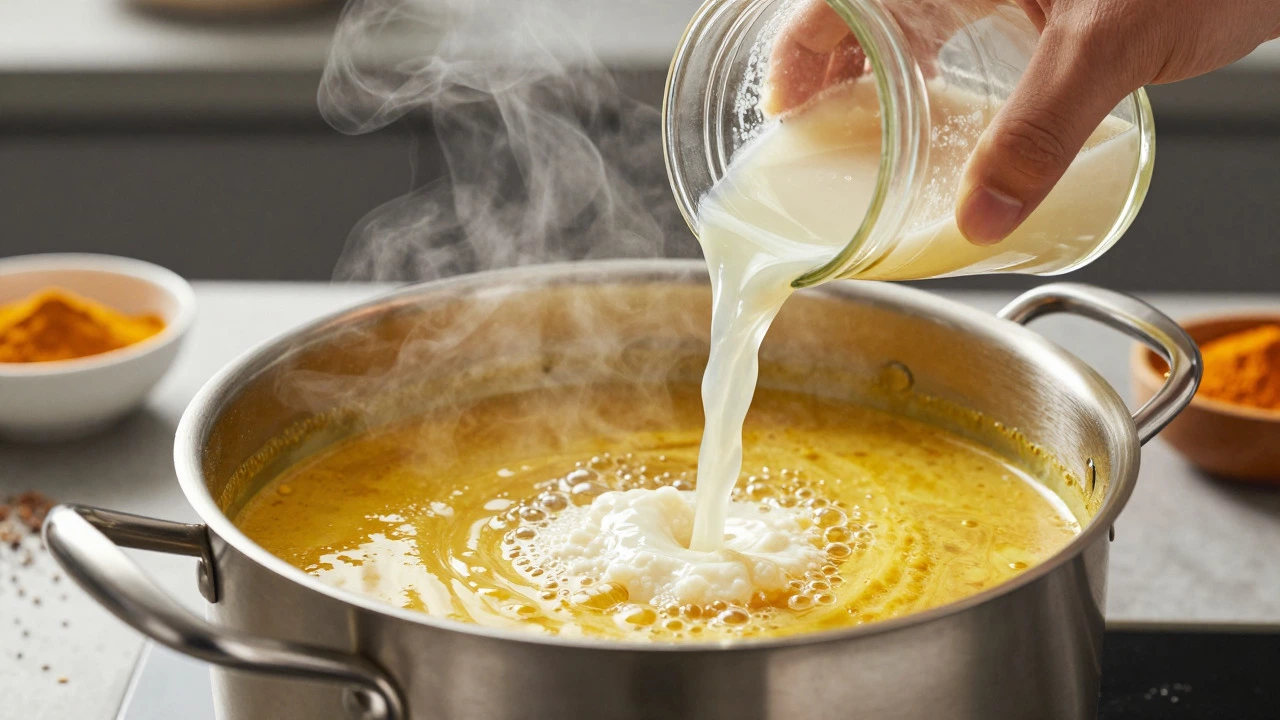
Yogurt is a fermented dairy product that adds both acidity and body to sauces. When stirred into a warm (not boiling) curry, it creates a stable emulsion. The key here is temperature control. If you dump cold yogurt into a screaming hot pan, it will split and turn grainy. Always temper it by mixing a spoonful of hot curry into the yogurt bowl first, then pour it back in gently.
For those avoiding dairy, Coconut milk is a high-fat plant-based liquid extracted from grated coconut meat. The full-fat version contains about 17-24% fat, which naturally coats the chicken and reduces the perception of wateriness. Unlike yogurt, coconut milk doesn't curdle easily, making it safer for long simmering. However, it won't increase viscosity as much as yogurt does; it mostly adds richness rather than true thickness.
The Starch Powerhouses: Flour and Cornstarch
When you need immediate, reliable thickening power, starches are the most effective tools. They work by absorbing water and swelling when heated, creating a gel-like structure.
Cornstarch is a fine white powder derived from corn kernels that gels at lower temperatures than other starches. It produces a clear, glossy finish. Because it activates quickly, it’s perfect for finishing a curry that needs a boost right before serving. Mix one teaspoon of cornstarch with two teaspoons of cold water to make a slurry, then stir it into the simmering curry. It takes effect within minutes. Be careful not to overdo it, as too much can make the sauce feel sticky or gummy.
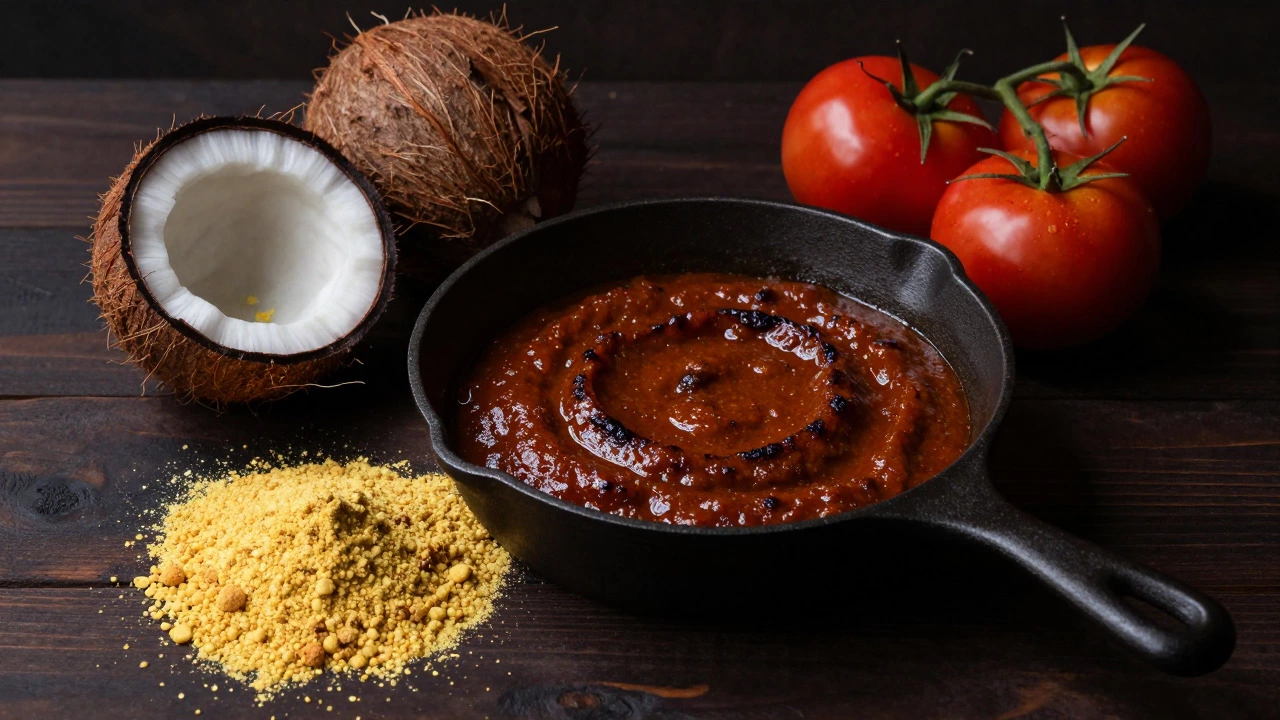
Gram flour, also known as besan, is a coarse yellow flour made from ground chickpeas that acts as a binding agent in Indian cooking. Unlike cornstarch, gram flour has a distinct nutty flavor and a slightly gritty texture if not cooked properly. It is traditionally used in gravies where you want a rustic, hearty consistency. To use it, fry the flour in oil or ghee until it turns golden brown and smells aromatic. This step removes the raw bean taste and unlocks its thickening potential. Add it to the onion-tomato base early on, letting it cook for at least five minutes before adding liquids.
Natural Reductions: Tomatoes and Onions
Sometimes the best thickener is already in your pot. Building a solid base is the foundation of any good curry. If your sauce is thin, it often means the base wasn't reduced enough.
Tomato puree is a concentrated form of tomatoes that releases pectin and natural sugars during cooking. Fresh tomatoes have high water content, which dilutes the sauce. Tomato puree or paste has had much of that water removed, meaning every spoonful adds density. Sautéing chopped onions and tomatoes until they collapse and start to caramize is crucial. As the water evaporates, the solids concentrate, creating a thick, flavorful paste that binds the spices to the meat. If you skip this reduction step, you’re left with a watery tomato broth instead of a robust gravy.
Onions play a dual role. When fried slowly, they release their own moisture and then absorb the spices and fats around them. A well-fried onion base acts like a sponge, holding onto the liquid and preventing it from separating. If your onions look pale and crisp, they haven’t released their water yet. Keep cooking until they turn deep golden brown.
Choosing the Right Thickener for Your Style
Not all thickeners fit every type of curry. Choosing the wrong one can alter the flavor profile or result in an inconsistent texture. Here is a quick guide to matching the method with the dish.
| Thickener | Texture Result | Flavor Impact | Best For |
|---|---|---|---|
| Yogurt | Creamy, smooth | Tangy, mild | Korma, Butter Chicken, White Curries |
| Coconut Milk | Rich, oily | Sweet, tropical | South Indian Curries, Thai-Influenced Dishes |
| Cornstarch | Glossy, tight | Neutral | Quick fixes, Stir-fry style curries |
| Gram Flour | Hearty, matte | Nutty, earthy | Traditional North Indian Gravies, Rajma |
| Tomato Paste | Dense, savory | Acidic, umami | Butter Chicken, Chettinad, Vindaloo |
Notice how cornstarch offers a neutral flavor but a very specific visual gloss. If you want that restaurant-style shine, it’s your tool. But if you want depth and tradition, stick with gram flour or a reduced tomato base. Mixing methods is also acceptable. Many chefs use a combination of a reduced tomato-onion base plus a splash of cream or yogurt at the end for balance.
Common Mistakes That Keep Your Curry Watery
Even with the right ingredients, technique matters. A few small errors can ruin the texture no matter what thickener you add.
- Adding liquid too early: If you add stock or water before the masala base is fully cooked, you dilute the flavors and prevent the solids from bonding. Wait until the oil separates from the masala paste before adding liquids.
- Overcrowding the pan: Too much chicken in the pot raises the temperature rapidly but prevents even browning. The juices released from the meat mix with the water in the vegetables, creating steam rather than a sear. Cook in batches if necessary.
- Ignoring the lid: Reducing a sauce requires evaporation. If you keep the lid on, the steam condenses and drips back into the pot. Leave the lid off for the final 10-15 minutes of simmering to concentrate the flavors.
- Using low-fat substitutes incorrectly: Low-fat yogurt or light coconut milk lacks the fat content needed to emulsify properly. They tend to separate more easily. If using these, ensure the heat is low and stir constantly.
Another subtle issue is the type of chicken you use. Bone-in pieces release collagen as they cook, which naturally thickens the sauce over time. Boneless breast meat dries out faster and contributes less body to the liquid. If you are using boneless thighs, consider adding a small amount of gelatin or simply extending the simmer time to allow the connective tissues to break down.
Fixing a Thin Curry in Real Time
So, you’ve finished cooking, plated the dish, and realized it’s too runny. Don’t panic. There are three emergency fixes depending on how much time you have.
- The Quick Slurry: Whisk one tablespoon of cornstarch with two tablespoons of cold water. Stir it into the hot curry. Simmer for two minutes until it bubbles and thickens. This works instantly but changes the texture to be more glossy and less traditional.
- The Fat Boost: Stir in two tablespoons of heavy cream or coconut cream. The added fat coats the palate and makes the sauce feel heavier, even if the viscosity doesn’t change dramatically. This is great for masking a slight thinness.
- The Puree Trick: Take half a cup of the cooked curry (including some chicken and vegetables), blend it until smooth, and stir it back into the main pot. The blended fibers act as a natural thickener. This method preserves the original flavor profile perfectly.
For prevention, always taste your curry before adding the final garnish. Adjust the consistency while there is still time to correct it. A thick curry isn't just about aesthetics; it ensures the spices cling to the meat, delivering maximum flavor with every bite. By mastering these techniques, you’ll never serve a soupy dish again.
Can I use regular wheat flour to thicken chicken curry?
Yes, but it is less common in authentic Indian cooking. Wheat flour can make the sauce cloudy and give it a pasty texture if not cooked thoroughly. Gram flour is preferred because it has a finer grind and a more compatible flavor profile. If you must use wheat flour, make sure to fry it in oil for several minutes to remove the raw taste before adding it to the curry.
Why did my yogurt split in the curry?
Yogurt splits when exposed to high heat or acidic environments too quickly. To prevent this, reduce the heat to a low simmer before adding yogurt. Also, temper the yogurt by mixing it with a ladle of hot curry in a separate bowl first. This brings the yogurt up to temperature gradually, allowing it to integrate smoothly without curdling.
Does bone-in chicken help thicken the sauce?
Yes. Bones contain marrow and connective tissue that release collagen when simmered. Collagen breaks down into gelatin, which naturally thickens the liquid and adds a silky mouthfeel. Boneless cuts lack this benefit, so you may need to rely more heavily on external thickeners like flour or yogurt to achieve the same density.
Is it better to thicken the curry before or after adding the chicken?
It depends on the method. If using starches like cornstarch or gram flour, it is best to thicken the base sauce before adding the chicken to ensure even distribution. If using yogurt or cream, add them after the chicken is cooked through to prevent curdling. This sequence ensures the thickeners do their job effectively without being compromised by the cooking process of the meat.
Can I freeze thickened curry?
Generally, yes, but the texture might change upon reheating. Starch-thickened sauces can sometimes become thinner or separate after freezing and thawing. Yogurt-based curries may also separate slightly. To mitigate this, reheat frozen curry gently over low heat and stir frequently. Adding a fresh splash of cream or yogurt upon reheating can help restore the creamy texture.