The Ultimate Snack Selector
Select your current mood to find your royal snack match:
Craving Comfort
Nostalgic and warming
Want Excitement
High impact flavor
Need Energy
Filling and hearty
Feeling Guilty
Light and fresh
Hosting Friends
Communal variety
The Throne Room: Who Really Rules Indian Snacking?
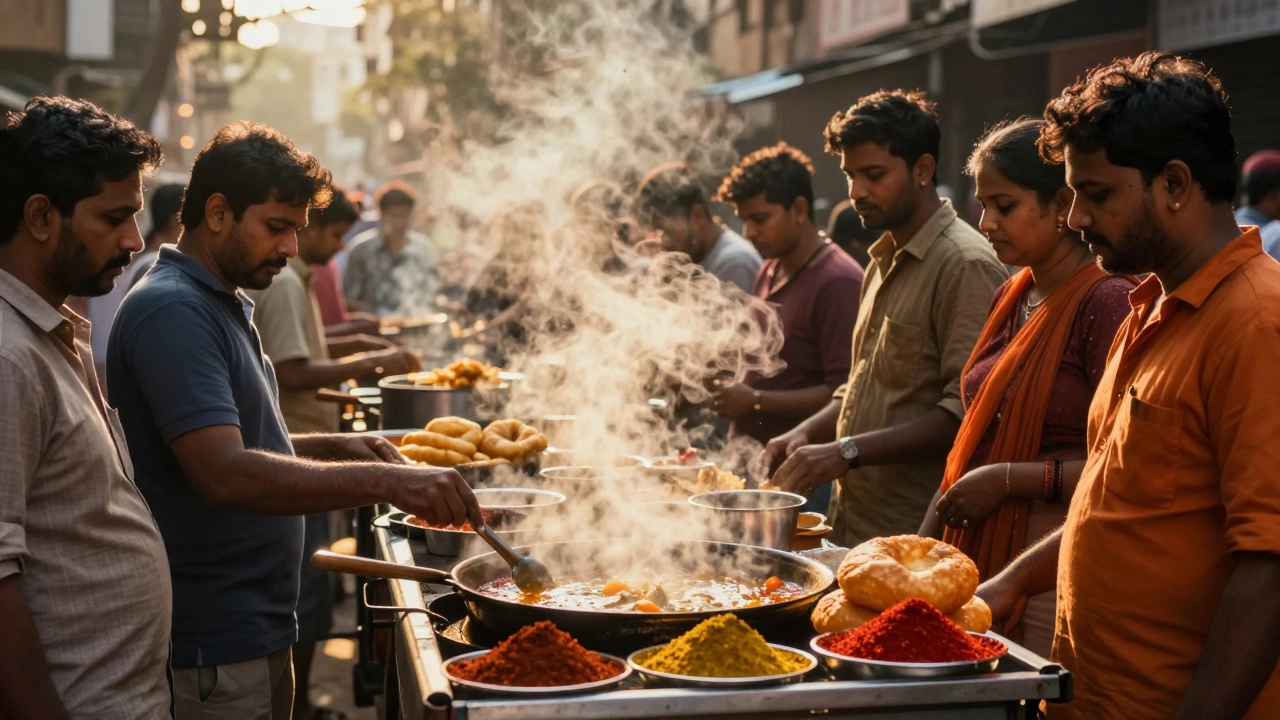
Walk into any neighborhood in Mumbai, Delhi, or Bangalore between 4 PM and 7 PM. You will hear the sizzle of oil, smell cumin and chili, and see lines forming around trolleys that look like they’ve been there since independence. In India, snacking isn’t just a habit; it’s a cultural institution. But if you ask ten people who the king of snacks is, you’ll get ten different answers. Some will swear by the crispy crunch of a Samosa, while others will defend the tangy punch of Pani Puri. So, who actually holds the crown?
To settle this debate once and for all, we need to look beyond nostalgia. We need to judge these contenders on three criteria: ubiquity (is it available everywhere?), versatility (can it be customized?), and impact (does it define the experience?). Let’s meet the candidates for the throne.
Contender 1: Samosa - The Golden Standard
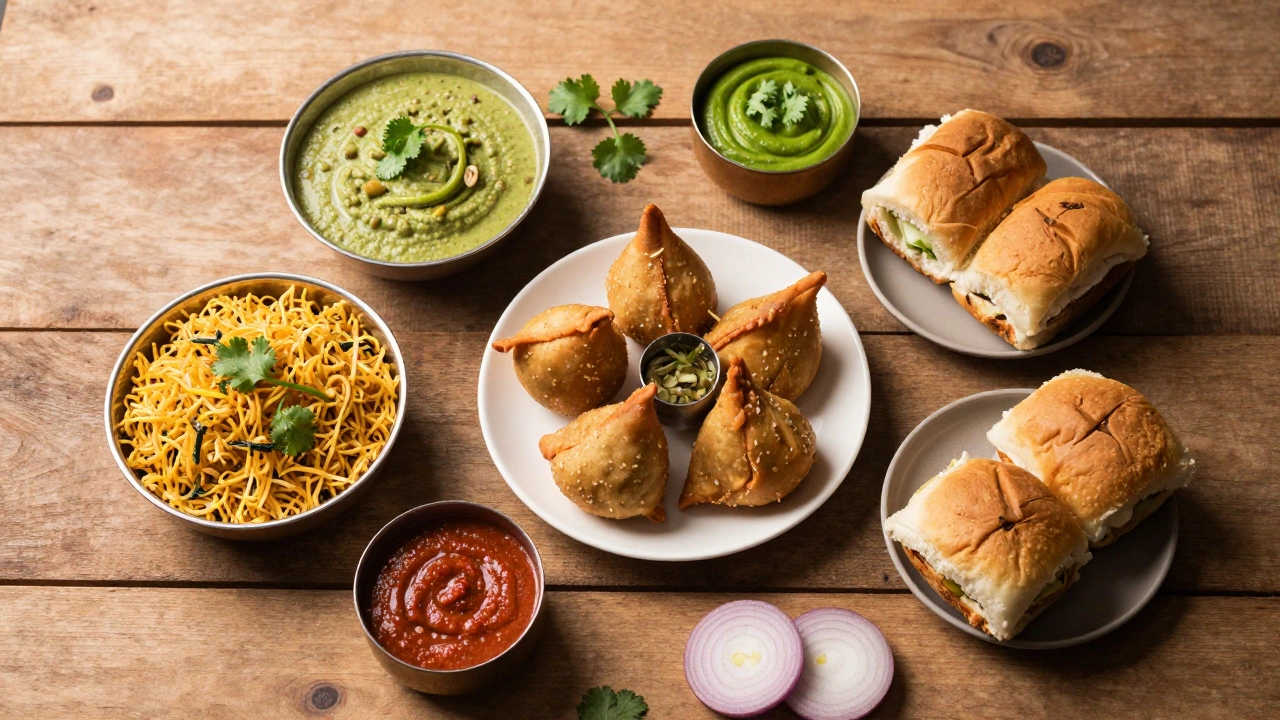
If there is one snack that transcends language, religion, and geography in India, it is the Samosa. This triangular pastry, filled with spiced potatoes and peas, is arguably the most recognizable Indian food export in the world. You can find it in London, New York, and Sydney, often sold alongside curry as a standalone item.
Why does the Samosa have such staying power? It’s the perfect vessel. The outer layer is a crisp, flaky dough made from maida (refined flour) and ghee or oil. Inside, you have a warm, soft filling of boiled potatoes, green peas, onions, and a blend of spices like ajwain (carom seeds), cumin, and turmeric. It’s comfort food in its purest form.
The Samosa also has a loyal companion: the Chutney. A good samosa is never eaten plain. It’s dipped in a tangy tamarind chutney or a spicy mint-coriander chutney. This contrast of textures-crunchy outside, soft inside, liquid sauce-is what makes it addictive. However, traditional samosas are deep-fried, which puts them at a disadvantage in today’s health-conscious market. Still, no other snack carries the same emotional weight as a hot samosa on a rainy afternoon.
Contender 2: Pani Puri - The Flavor Explosion
Then there is Pani Puri, known as Golgappa in South India and Gupchup in Maharashtra. If the Samosa is the reliable king, Pani Puri is the rebellious prince who steals the show. It’s not just a snack; it’s an event. You don’t eat Pani Puri quietly. You make noise, you spill water, and you feel alive.
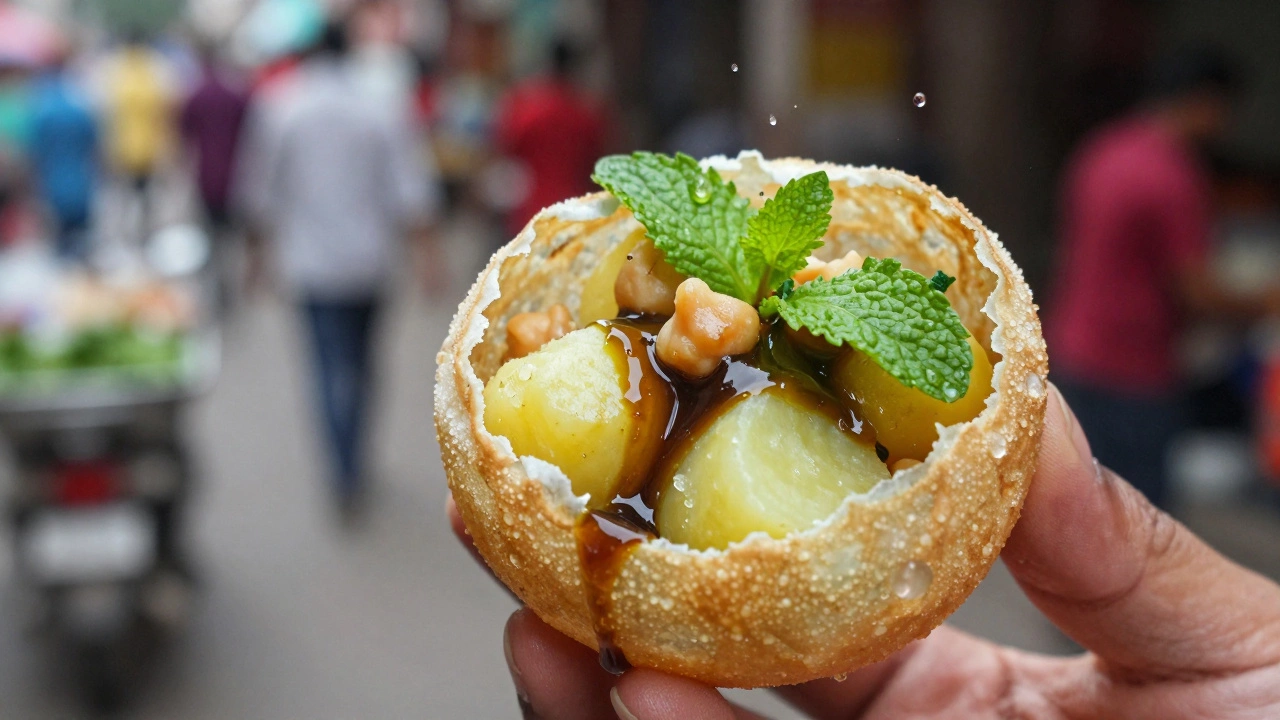
The structure of Pani Puri is deceptively simple. A hollow, crispy puri (fried bread shell) is broken open, stuffed with a mixture of boiled potatoes, chickpeas, and onions, and then flooded with two types of water: sweet tamarind water and spicy mint-coriander water infused with raw onion, chili, and black salt. The magic happens when all three elements hit your tongue at once. The crunch, the heat, the sweetness, and the sourness create a flavor explosion that is unmatched by any other snack.
Pani Puri wins on intensity. No other snack delivers such a high-impact sensory experience in a single bite. But it loses points on practicality. You can’t take a Pani Puri home. You can’t eat it while driving. It requires a specific setup and immediate consumption. This limits its reach compared to the portable Samosa.
Contender 3: Vada Pav - The Street Food Powerhouse
We cannot talk about Indian snacks without mentioning Vada Pav, the iconic street food of Mumbai. Often called the Indian burger, Vada Pav consists of a spicy potato fritter (vada) placed inside a soft bread roll (pav), garnished with fried garlic chilies and served with a side of green chutney.
Vada Pav was originally created in the 1960s as a cheap, filling meal for factory workers. Today, it’s a symbol of Mumbai’s fast-paced life. It’s affordable, quick to prepare, and incredibly satisfying. The vada itself is made from a batter of besan (gram flour) mixed with mashed potatoes and spices, deep-fried until golden brown. The pav is soft, slightly buttery, and acts as a sponge for the chutneys.
What sets Vada Pav apart is its balance. It’s hearty enough to be a meal but small enough to be a snack. It’s also highly customizable. You can add cheese, paneer, or even chicken to the vada. In recent years, healthier versions have emerged, using baked vadas or whole wheat pav. This adaptability keeps Vada Pav relevant in a changing food landscape.
Contender 4: Bhel Puri - The Healthy Challenger
As health consciousness rises, so does the popularity of Bhel Puri. Unlike the deep-fried options above, Bhel Puri is primarily a mix of ingredients rather than a cooked dish. It’s a salad of sorts, combining crushed puffed rice (murmura), sev (thin fried noodles), chopped onions, tomatoes, cilantro, and a drizzle of tamarind and green chutneys.
Bhel Puri is light, refreshing, and easy to digest. It’s the go-to snack for people who want something savory without the heaviness of fried food. The texture is interesting-crunchy, chewy, and soft all at once. It’s also highly versatile. You can add fruits, nuts, or even grilled vegetables to make it more substantial.
In the context of "healthy Indian snacks," Bhel Puri is a strong contender. It uses minimal oil and focuses on fresh ingredients. However, it lacks the "comfort" factor of hot, fried foods. For many Indians, snacking is about warmth and richness, which Bhel Puri doesn’t provide. It’s a great option, but perhaps not the king.
| Snack | Primary Ingredient | Cooking Method | Health Factor | Portability |
|---|---|---|---|---|
| Samosa | Maida, Potatoes | Deep-Fried | Low | High |
| Pani Puri | Wheat Flour, Spices | Deep-Fried Shell | Medium | Low |
| Vada Pav | Gram Flour, Bread | Fried + Baked | Medium | High |
| Bhel Puri | Puffed Rice, Vegetables | Minimal Cooking | High | Medium |
| Chaat | Varied | Varied | Variable | Variable |
The Verdict: Is There a Single King?
If we judge by sheer volume consumed and global recognition, the Samosa takes the crown. It’s the safest bet, the most widely accepted, and the easiest to share. But if we judge by cultural passion and emotional connection, Pani Puri is the true champion. People will travel miles for a good Pani Puri vendor, but they’ll accept a mediocre Samosa because it’s familiar.
However, the real answer might be broader. The title of "King" belongs to Chaat. Chaat isn’t a single dish; it’s a category. It includes Pani Puri, Bhel Puri, Sev Puri, Dahi Puri, and dozens of other variations. The word "chaat" comes from the Hindi word for "lick," referring to how messy and flavorful these snacks are. Chaat represents the essence of Indian snacking: bold flavors, contrasting textures, and communal eating.
So, while the Samosa may wear the crown, Chaat rules the kingdom. And in a country as diverse as India, that’s the only way it should be.
How to Choose Your Favorite Based on Your Mood
Not every day calls for the same snack. Here’s a quick guide to help you pick based on what you’re craving:
- Craving Comfort: Go for a hot Samosa with extra tamarind chutney. It’s nostalgic and warming.
- Want Excitement: Order Pani Puri. The risk of bursting the puri adds thrill to the experience.
- Need Energy: Vada Pav is calorie-dense and filling. Perfect for a long day ahead.
- Feeling Guilty: Bhel Puri is lighter and fresher. It satisfies cravings without the heavy aftertaste.
- Hosting Friends: Make a Chaat platter. Offer multiple options like Sev Puri and Dahi Puri for variety.
Modern Twists on Traditional Snacks
The snack industry in India is evolving. Health trends are pushing vendors to innovate. You’ll now find air-fried Samosas, baked Vada Pav, and protein-packed Bhel Puri with added lentils or quinoa. These adaptations allow us to enjoy our favorites without compromising our wellness goals entirely.
Homemade versions are also gaining traction. With online recipes readily available, making your own Samosa or Pani Puri water is easier than ever. This shift towards home preparation gives you control over ingredients, reducing trans fats and excess sodium.
Is Samosa really the most popular snack in India?
Yes, Samosa is widely considered the most popular due to its availability across all regions and its status as a global Indian food icon. It is served at weddings, festivals, and casual gatherings alike.
What is the healthiest Indian street snack?
Bhel Puri and Fruit Chaat are among the healthiest options as they involve minimal frying and use fresh vegetables and fruits. Avoid adding excessive sev or sugary chutneys to keep it light.
Can I make Samosa at home without deep frying?
Absolutely. You can bake Samosas in an oven or air fryer. Brush the dough lightly with oil before baking to achieve a similar crispiness. The taste remains largely the same with fewer calories.
Why is Pani Puri called Golgappa in some states?
The name varies by region. In North India, it’s Pani Puri (water puri). In South India, it’s Golgappa (round ball). In Maharashtra, it’s Gupchup. The ingredients and preparation remain largely identical.
What makes Chaat unique compared to other snacks?
Chaat is defined by its complex flavor profile, combining sweet, sour, spicy, and salty elements in one bite. It also emphasizes texture contrasts, such as crunchy sev against soft potatoes or yogurt.