Find Your Perfect Indian Food Destination
Ask ten Indians which state has the best food, and you’ll get eleven answers. It’s a debate that sparks more passion than politics or cricket. Is it the fiery curries of Andhra Pradesh known for its intense spice levels and rich Guntur chilies? The delicate sweetness of Gujarat famous for its thali variety and vegetarian mastery? Or the coastal bounty of Kerala celebrated for its use of coconut, seafood, and spices? There is no single objective winner because "foodie" means different things to different people. But if we look at diversity, cultural depth, and sheer volume of iconic dishes, a few states consistently rise to the top.
We aren’t just talking about what tastes good on a Tuesday night. We’re looking at regions where food is woven into the fabric of daily life, religious festivals, and even local economies. To decide who wears the crown, we need to break down what makes a state a true culinary powerhouse. Are you looking for street food chaos? Royal feasts? Vegetarian innovation? Let’s dissect the heavy hitters.
The Case for Gujarat: The King of Variety
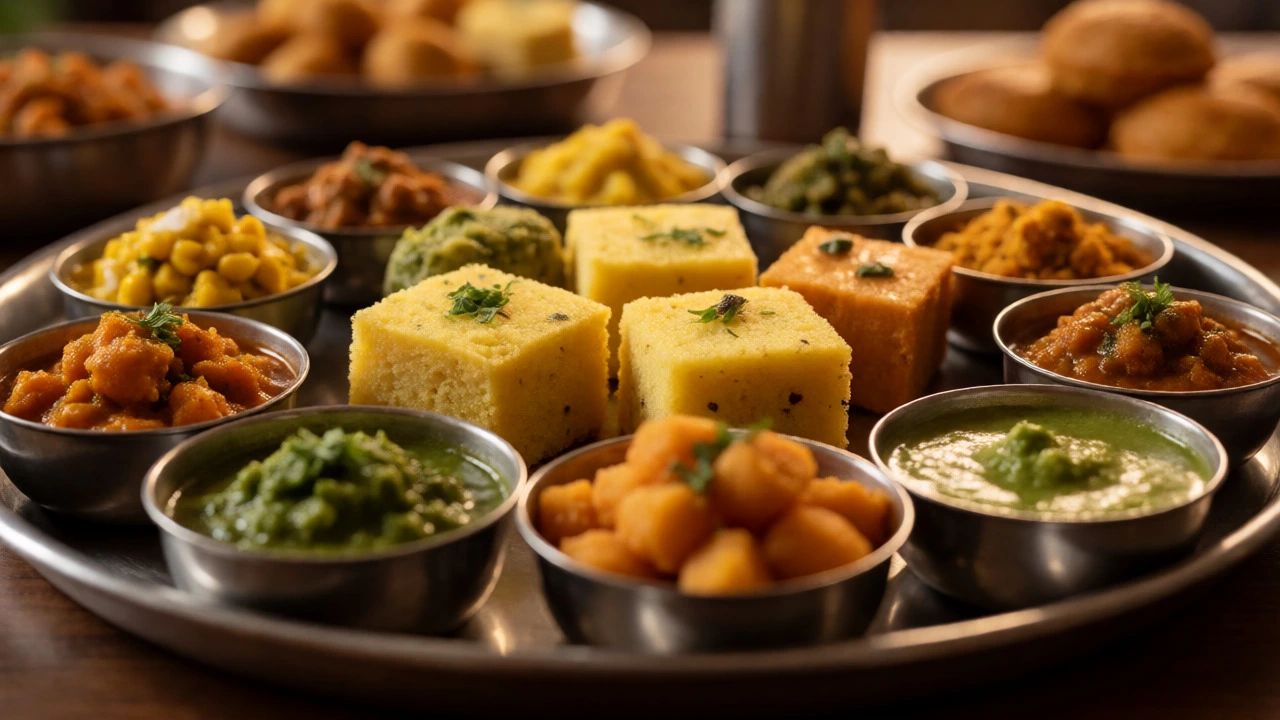
If you value breadth over intensity, Gujarat a western Indian state with a predominantly vegetarian cuisine known for its sweet-salty balance might be your number one. Why? Because Gujarati food isn’t just one thing; it’s a spectrum. You have the dry snacks like Dhokla and Khaman, the wet curries like Undhiyu, and the legendary Gujarati Thali. This thali alone contains up to twenty small dishes, offering a complete nutritional profile in one plate.
The genius of Gujarati cuisine lies in its ability to make vegetables taste indulgent without relying on heavy creams or excessive meat. They use jaggery (unrefined sugar) and tamarind to create a unique flavor profile that balances heat, sourness, and sweetness. If you are a vegetarian foodie, Gujarat is arguably the most sophisticated destination in India. The state also boasts a massive snack culture-think Farsan shops that sell hundreds of varieties of fried and dried bites.
Kerala: Where Spice Meets Sea
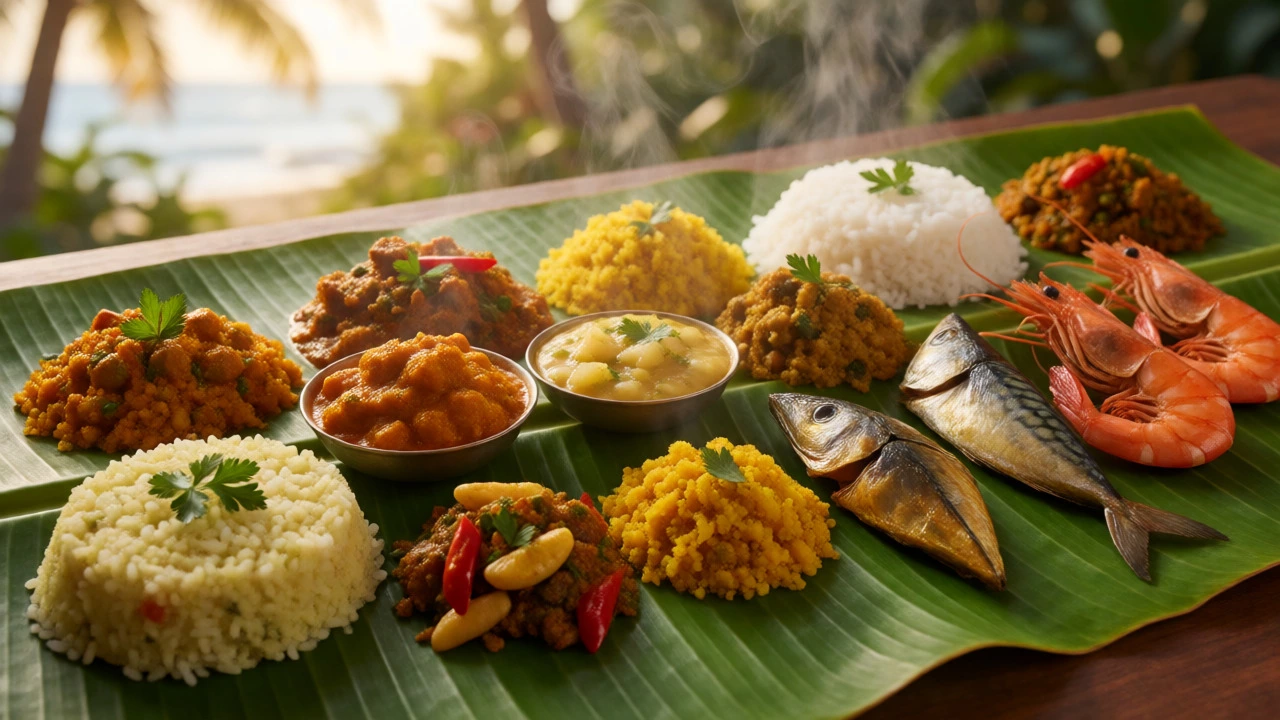
Move south, and the vibe changes completely. Kerala a southern Indian state known for its backwaters, coconut trees, and aromatic spice-laden cuisine offers a culinary experience defined by freshness and aroma. The air in Kochi smells different-it’s thick with curry leaves, mustard seeds, and roasting coconut.
Kerala’s claim to fame is its seamless blend of Hindu, Muslim, and Christian culinary traditions. You can eat a non-vegetarian feast at a Syrian Christian home, featuring Ishtu (stew) and Appam, then head to a Muslim-run restaurant for Biryani that uses short-grain Jeerakasala rice instead of the long basmati found elsewhere. Then, finish with a vegetarian meal served on a banana leaf, featuring Sadya, a festival meal with up to 26 dishes.
The use of coconut is not just an ingredient; it’s a technique. Coconut milk creates creamy textures without dairy. Coconut oil is the primary cooking fat, giving every dish a distinct nutty undertone. For foodies who love seafood, Kerala’s coastline provides an endless supply of prawns, mackerel, and sardines, prepared simply yet effectively.
West Bengal: The Sweet Tooth Capital
You cannot talk about Indian food without mentioning West Bengal an eastern Indian state renowned for its fish-based curries and intricate milk-based sweets. Kolkata is often called the food capital of India, but is it the most foodie state? Perhaps. Bengali cuisine is intellectual. It’s about layers. A proper Machher Jhol (fish curry) requires specific timing for adding spices to avoid bitterness from the mustard paste.
But let’s be real: West Bengal wins on desserts. No other region comes close to their mastery of Chhana (cottage cheese). From Rosogolla to Mishti Doi (sweet yogurt), the variety is staggering. However, some argue that Bengali food is too niche. It relies heavily on mustard oil and poppy seeds, flavors that don’t appeal to everyone. If you dislike pungent aromas, this might not be your paradise.
Punjab: The Hearty Heartland
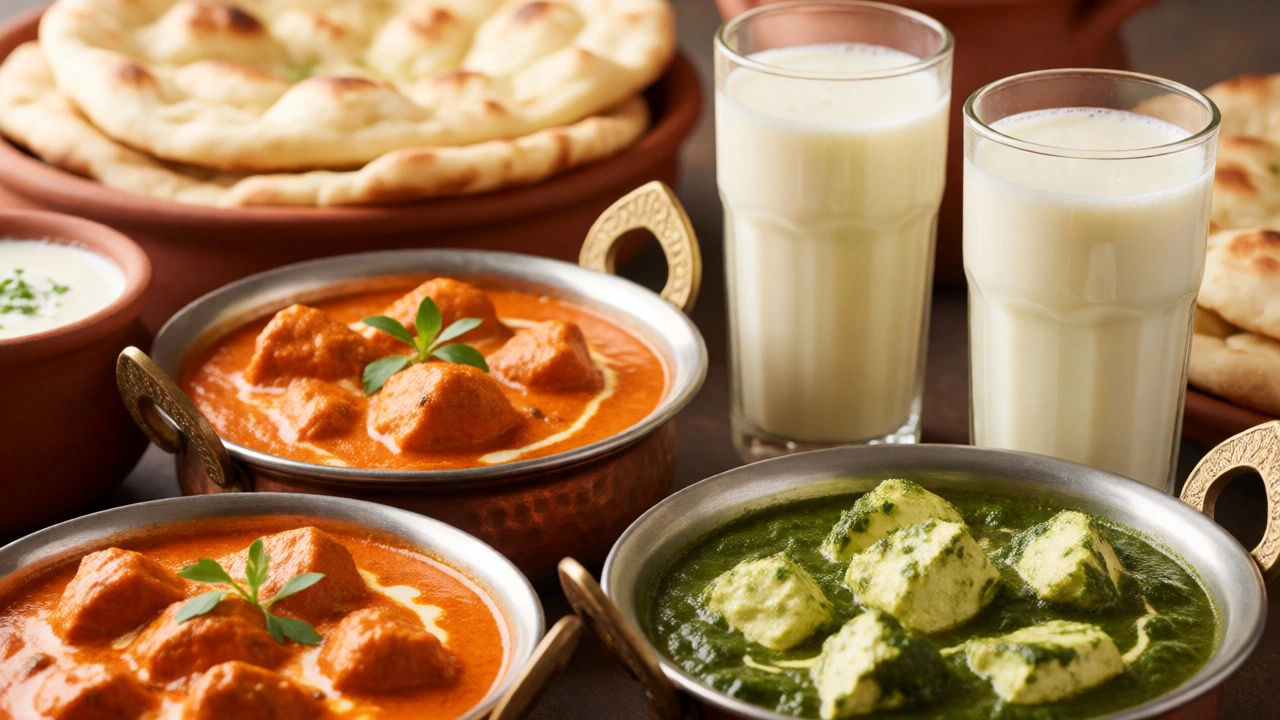
Then there’s Punjab a northern Indian state famous for its robust, butter-rich dishes and wheat-based breads. Punjabi food is unapologetic. It’s loud, bright, and heavy. Think Butter Chicken, Palak Paneer, and mountains of Lassi. This is comfort food on steroids.
Punjab’s strength is its global recognition. If you ask someone abroad about Indian food, they likely picture Punjabi cuisine. But does global fame equal being the "most foodie"? Punjab excels in dairy usage. Butter, ghee, cream, and paneer are central to almost every recipe. The state also has a vibrant street food scene, particularly in Amritsar, where Amritsari Kulcha stuffed with spiced potatoes is a pilgrimage-worthy dish.
However, critics point out that Punjabi cuisine can lack subtlety. It’s all about richness. If you’re looking for light, airy flavors, Punjab might feel too heavy after three days. But for those who love hearty meals and communal dining, it’s hard to beat.
Tamil Nadu: The Purist’s Choice
Tamil Nadu a southern Indian state with ancient culinary roots focusing on rice, lentils, and tamarind offers the oldest continuous culinary tradition in India. Tamil Brahmin cuisine, for instance, is strictly vegetarian and avoids onion and garlic in traditional forms. This purity attracts purists who appreciate clean, distinct flavors.
Chennai is a hub for filter coffee and dosa varieties. While Karnataka gets credit for Mysore Masala Dosa, Tamil Nadu perfected the art of fermentation and batter consistency. The state’s contribution to South Indian breakfast culture is unmatched. Idli, vada, pongal, and uttapam originated here or were refined here. For vegetarians who want authentic, temple-style food, Tamil Nadu is the gold standard.
Comparing the Contenders
To help you decide which state fits your palate, here’s a breakdown of their key attributes. Remember, "best" is subjective, but these factors highlight their strengths.
| State | Culinary Identity | Signature Ingredients | Best For | Veg/Non-Veg Balance |
|---|---|---|---|---|
| Gujarat | Variety & Sweet-Savory Balance | Jaggery, Tamarind, Gram Flour | Vegetarians & Snack Lovers | 90% Veg / 10% Non-Veg |
| Kerala | Aromatic & Coastal | Coconut, Mustard Seeds, Curry Leaves | Seafood & Spices Enthusiasts | 50% Veg / 50% Non-Veg |
| West Bengal | Delicate & Dessert-Focused | Mustard Oil, Poppy Seeds, Chhana | Fish Lovers & Sweet Tooth | 40% Veg / 60% Non-Veg |
| Punjab | Rich & Dairy-Heavy | Butter, Cream, Wheat, Paneer | Comfort Food & Meat Eaters | 30% Veg / 70% Non-Veg |
| Tamil Nadu | Pure & Fermented | Rice, Lentils, Tamarind, Coconut | Traditionalists & Breakfast Fans | 80% Veg / 20% Non-Veg |
Honorable Mentions That Deserve Attention
We’d be remiss not to mention Hyderabad the capital of Telangana, world-famous for its Biryani and Irani chai culture. While technically a city-state within a larger context, Hyderabad’s influence on Indian food is massive. Its Biryani is distinct from Lucknow’s Awadhi style, using a dum-cooking method that traps steam and flavor. If you define "foodie" by the quality of a single iconic dish, Hyderabad wins easily.
Then there’s Rajasthan a desert state known for its preserved foods like Dal Baati Churma and Laal Maas. Rajasthan teaches us how to cook with limited water. Their dishes rely on ghee and dried ingredients. Laal Maas, a fiery mutton curry, is a testament to the Rajput warrior diet. It’s not for the faint-hearted, but it’s unforgettable.
How to Choose Your Next Food Destination
So, who is the winner? It depends on what you crave.
- Choose Gujarat if you want endless vegetarian options and love snacking throughout the day.
- Choose Kerala if you prefer fresh seafood, coconut-based curries, and a relaxed coastal pace.
- Choose West Bengal if you are obsessed with fish preparations and want to try dozens of types of sweets.
- Choose Punjab if you want rich, buttery gravies, tandoori breads, and a lively social dining atmosphere.
- Choose Tamil Nadu if you appreciate traditional techniques, fermented batters, and pure vegetarian temple food.
The truth is, India’s culinary map is too diverse for one state to dominate. Each region offers a unique lens through which to view food. Some prioritize spice, others sweetness, and others texture. The real joy is realizing that your "favorite" state might change depending on whether you’re hungry for a light lunch or a heavy dinner.
Which Indian state is best for street food?
While many states have great street food, Maharashtra (specifically Mumbai) and Delhi are often considered the hubs. Mumbai offers Vada Pav and Bhel Puri, while Delhi is famous for Chaat, Parathas, and Kebabs. However, Gujarat’s Farsan and Andhra’s Mirchi Bajji are also top-tier contenders.
Is South Indian food healthier than North Indian food?
Generally, yes. South Indian cuisine relies more on steaming (idlis), fermenting (dosa batter), and lighter oils like coconut oil. North Indian cuisine often uses more cream, butter, and ghee, making it richer and higher in calories. However, both can be healthy depending on preparation methods.
Which state has the spiciest food?
Andhra Pradesh and Telangana are widely regarded as having the spiciest food in India. The use of Guntur chilies and red chili powder in everyday dishes like Gongura Pachadi and Avakai (pickle) sets them apart. Rajasthan’s Laal Maas is also extremely hot, but Andhra’s heat is more pervasive across all courses.
Can I find good vegetarian food in non-veg dominated states?
Absolutely. Even in meat-loving states like West Bengal and Kerala, vegetarian options are abundant due to large Hindu populations. In Bengal, you’ll find excellent vegetable curries and sweets. In Kerala, Sadhya meals are entirely vegetarian. Additionally, Jain communities in Gujarat and Rajasthan offer strict vegetarian cuisines that exclude root vegetables.
What is the most underrated food state in India?
Assam and Manipur in the Northeast are often overlooked. Assamese cuisine features unique ingredients like bamboo shoot, silkworm pupae, and Koldil (mushroom). The food is less oily and highly flavorful, utilizing fermentation and smoking techniques. Similarly, Goa offers a Portuguese-influenced cuisine with pork vindaloo and Goan fish curry that stands apart from mainland Indian flavors.