Sikh Dietary Guide & Checker
Not all Sikhs follow the same dietary rules. This tool helps you understand who might eat what, helping you navigate dining with Sikh friends or understanding menu restrictions.
Analysis Result
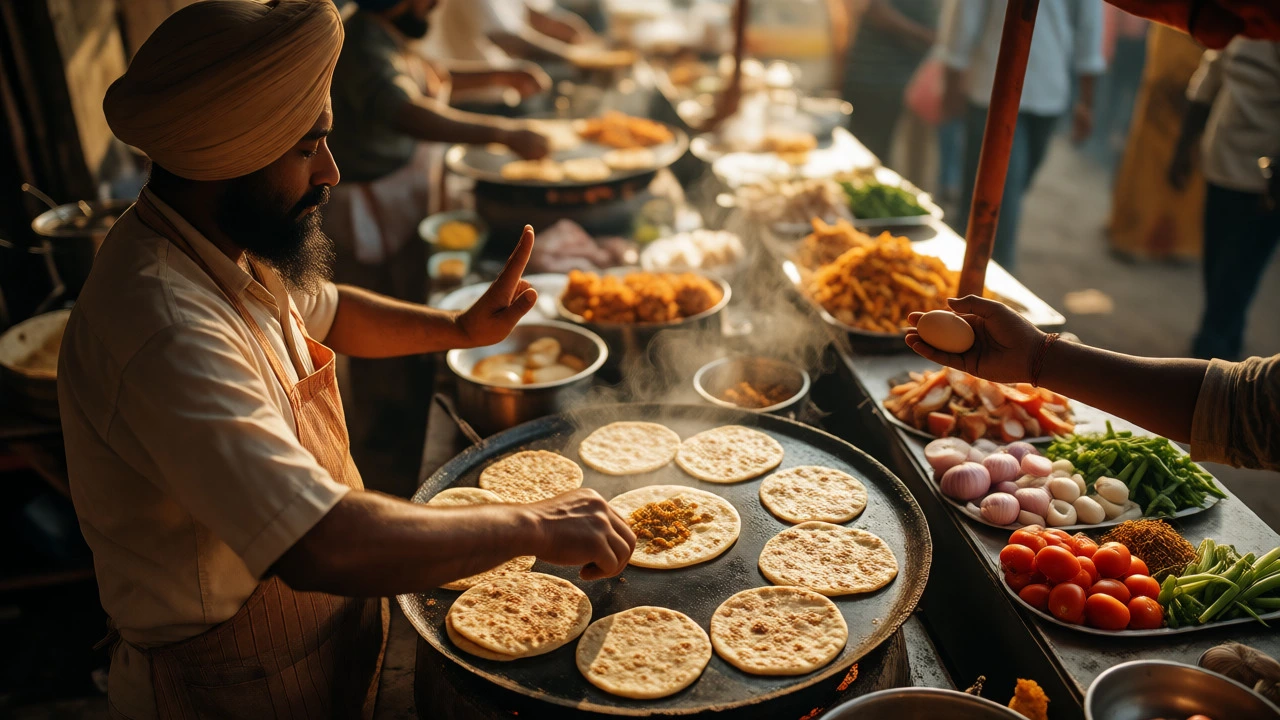
You’re standing in a busy Indian breakfast stall, the smell of frying onions and spices hitting you hard. You order an omelette, and the cook gives you a look that says, "We don’t do that here." If you’ve ever wondered why so many Sikh-owned eateries skip the egg on their menu, you aren’t alone. It’s not just about health trends or allergies. For millions of Sikhs, skipping eggs is a matter of deep religious identity and historical commitment.
But here is the twist: not all Sikhs avoid eggs. The answer depends entirely on which path of Sikh practice someone follows. Are they baptized (Amritdhari) or uninitiated (Sehajdhari)? Do they follow strict vegetarianism, or do they eat meat prepared in a specific way? This article breaks down exactly who avoids eggs, why they do it, and how this impacts your next meal at a Punjabi dhaba.
The Short Answer: It Depends on Baptism Status
Before we get into the theology, let’s clear up the biggest misconception. There is no single rule for every Sikh. The community is diverse, and dietary habits vary widely based on personal interpretation and level of religious observance.
- Amritdhari Sikhs: These are initiated members who have taken the Khalsa vows. Most strictly adhere to a lacto-vegetarian diet, meaning they avoid eggs, meat, and fish.
- Sehajdhari Sikhs: These are uninitiated followers. Many eat eggs and non-Khalal meat, though some may still choose to be vegetarian out of respect for tradition or family values.
- Cultural vs. Religious: Some Sikhs grew up in vegetarian households due to local cultural norms in Punjab, not necessarily because of a strict religious commandment against eggs.
If you are looking for a quick rule of thumb: if a Sikh has undergone the Amrit ceremony, they almost certainly won’t touch an egg. If they haven’t, it’s a coin flip depending on their family background.
Understanding the Concept of 'Keshadhari' and Diet
To understand the egg question, you have to look at the core principles of Sikhism as laid out by Guru Nanak and refined by the tenth Guru, Gobind Singh. Sikhism rejects ritualistic purity laws found in other religions. Gurus often criticized those who avoided certain foods while engaging in unethical behavior. So, where does the vegetarian stance come from?
The primary driver isn’t a direct verse saying "thou shall not eat eggs." Instead, it stems from the concept of Kirpaan and the sanctity of life within the Khalsa code of conduct. While the Rehat Maryada (the Sikh Code of Conduct) explicitly bans halal meat and ritually slaughtered animals, it leaves the door slightly open regarding eggs and other meats for uninitiated Sikhs. However, for the initiated Khalsa, the emphasis shifts toward compassion and non-violence (Ahimsa).
Many Amritdharis view eggs as potential life. In traditional Hindu and Jain influences prevalent in Punjab, an unfertilized egg is seen as a dormant life force. By avoiding it, Sikhs align with a broader South Asian ethos of minimizing harm to living beings. This isn’t just about calories; it’s about spiritual cleanliness.
Why Eggs Are Often Excluded in Langar
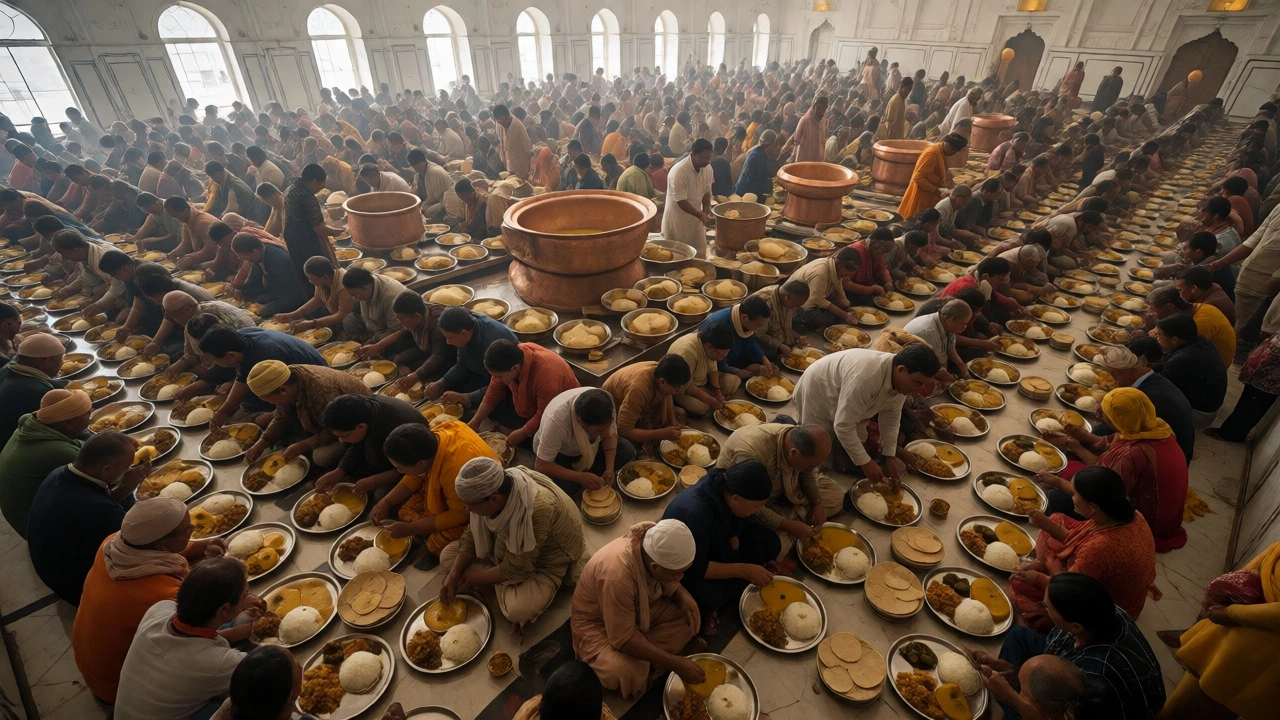
Walk into any Golden Temple in Amritsar, and you’ll see thousands of people sitting together eating the same food. This is the Langar, the community kitchen that serves free meals to all visitors regardless of caste, creed, or religion. The Langar serves only lacto-vegetarian food. No meat, no fish, no eggs.
Why? Practicality and inclusivity. When you feed 100,000 people daily, you need ingredients that everyone can eat. Meat introduces logistical nightmares-storage, cooking times, and religious objections from Hindu guests who might also visit. Eggs are excluded partly to maintain consistency with the strictest interpretation of the faith practiced by the temple authorities, and partly to ensure the food remains universally acceptable without causing offense to devout vegetarians.
This institutional standard bleeds into home life. Many Sikhs who attend Gurdwaras regularly adopt the Langar diet at home. It simplifies shopping and ensures that whatever they cook is always ready to share with neighbors or guests, adhering to the principle of sharing resources.
The Halal vs. Jhatka Debate and Its Impact on Eggs
You might hear Sikhs talk about "Jhatka" meat. Jhatka refers to meat from an animal killed instantly with a single strike, as opposed to Halal, where the throat is cut and blood drains slowly over time. Historically, some Sikhs ate Jhatka meat. But even among those who eat meat, eggs occupy a gray area.
For many, the issue with eggs parallels the issue with Halal meat: both involve a process that causes suffering or involves ritualistic slaughter practices that Sikhs reject. Since eggs are produced by hens kept in intensive farming conditions (often involving pain and distress), many modern Sikhs extend their rejection of cruelty to include eggs. They argue that industrial egg production violates the spirit of Ahimsa just as much as factory-farmed chicken.
| Sect/Status | Egg Consumption | Meat Consumption | Primary Reason |
|---|---|---|---|
| Amritdhari (Initiated) | No | No | Strict adherence to Khalsa code; focus on Ahimsa (non-violence). |
| Sehajdhari (Uninitiated) | Varies | Varies (often Jhatka) | Personal choice; less bound by strict initiation vows. |
| Nihang Sikhs | No | No | Militant sect emphasizing extreme discipline and vegetarianism. |
| Cultural Sikhs | Yes | Yes | Follows regional Punjabi cuisine norms; religion is private. |
Is Egg Considered Non-Vegetarian in India?
In Western countries, eggs are often grouped with dairy or protein sources separate from meat. In India, the definition is stricter. An egg is considered non-vegetarian. This classification affects everything from restaurant menus to hotel room service.
When a Sikh orders "pure veg," they mean absolutely no animal flesh and usually no eggs. If you ask for an egg curry in a pure-veg restaurant in Delhi or Chandigarh, you’ll get a confused stare. For Sikhs observing these rules, labeling eggs as "vegetarian" feels like a loophole that misses the point of compassionate eating. They aren’t trying to be difficult; they are sticking to a definition that prioritizes the source of the food.
This distinction matters when you are traveling in India. If you stay with a Sikh host who observes these rules, don’t expect scrambled eggs for breakfast. Expect parathas, chole bhature, or idli sambar. Offering an egg-based dish might actually be seen as disrespectful if they are strictly vegetarian.
Health and Modern Perspectives
Some younger Sikhs are questioning the ban. Nutritionally, eggs are a powerhouse of protein, vitamin D, and B12-nutrients that can be harder to get in a strict vegan-style diet. With rising awareness of nutritional deficiencies in purely plant-based diets, some families are reintroducing eggs.
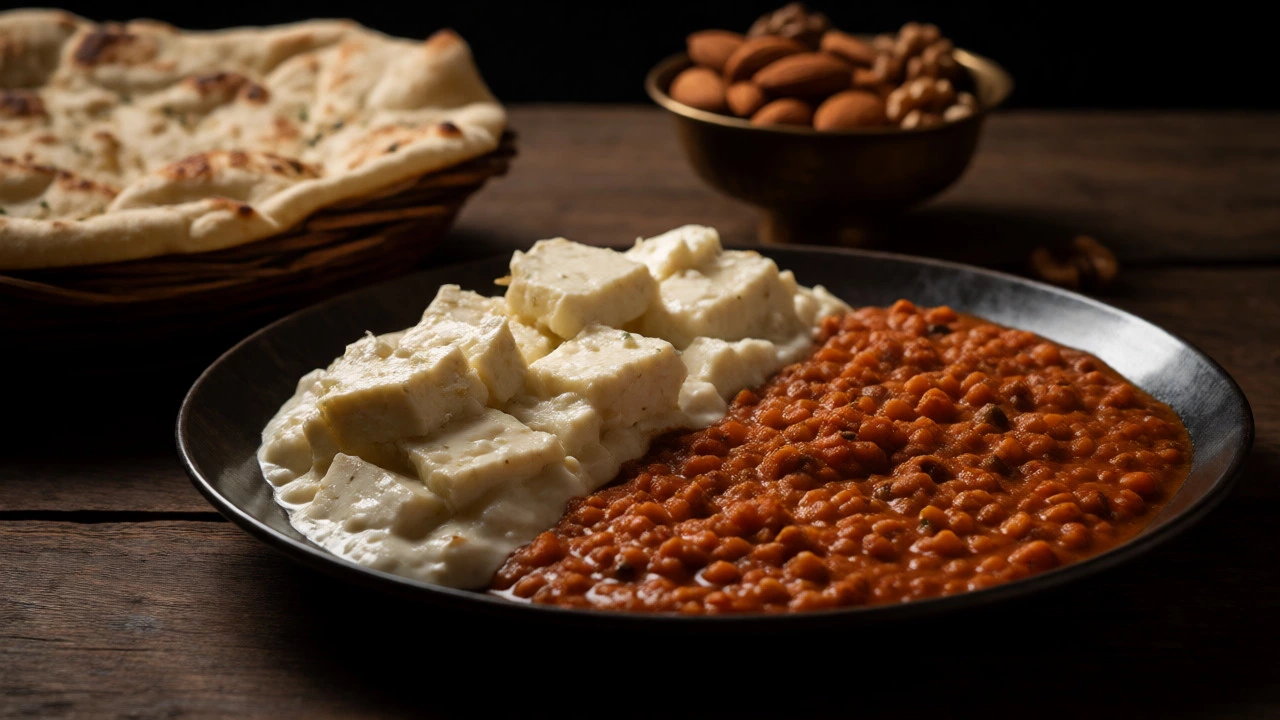
However, others double down. They cite studies linking intensive animal farming to environmental damage and ethical concerns. For them, the spiritual cost outweighs the nutritional benefit. They get their protein from lentils, beans, paneer (cottage cheese), and nuts. Paneer is a staple in Sikh cuisine precisely because it provides high-quality protein without breaking the vegetarian vow.
If you are trying to cook for a Sikh friend, play it safe. Ask first. A simple question like, "Do you eat eggs?" saves awkwardness. If they say no, pivot to a paneer tikka or a dal makhani. You’ll win major points for thoughtfulness.
Common Misconceptions About Sikh Food Habits
Let’s bust a few myths that pop up in conversations about Sikh diets.
- Myth: All Sikhs are vegetarians. False. Many rural Sikhs and those in the diaspora eat chicken and fish. The stereotype comes from the prominence of vegetarian Langars.
- Myth: Sikhs cannot eat alcohol. Generally true for Amritdharis, but many Sehajdharis drink socially. Alcohol is banned in the Rehat Maryada for initiated Sikhs.
- Myth: Eggs are forbidden because they are 'unclean.' Sikhism doesn’t really use the concept of "clean" vs. "unclean" food in the Jewish sense. The avoidance is more about ethics and discipline than hygiene.
Understanding these nuances helps you navigate social interactions better. It shows you respect their faith rather than assuming a one-size-fits-all label.
How to Navigate Dining Out with Sikh Friends
If you are planning a dinner with Sikh colleagues or friends, here is a cheat sheet to avoid faux pas:
- Check the Menu for "Pure Veg": If the sign says Pure Veg, assume no eggs unless specified otherwise.
- Ask About "Eggs": In Indian contexts, "Non-Veg" usually includes eggs. Clarify if they consider eggs acceptable.
- Offer Alternatives: Suggest restaurants with strong vegetarian options like North Indian thalis or South Indian dosas.
- Respect the "No Beef/Pork" Rule: Even if they eat chicken, most Sikhs avoid beef and pork entirely due to cultural and religious sensitivities.
By being mindful, you show that you value their company enough to learn their preferences. That goes a long way in building trust and friendship.
Can Sikhs eat chicken?
It depends on the individual. Initiated (Amritdhari) Sikhs generally avoid all meat, including chicken. Uninitiated (Sehajdhari) Sikhs may eat chicken, provided it is not Halal. Many prefer Jhatka meat, which is killed instantly without ritual prayer.
Why is Langar always vegetarian?
Langar is designed to be inclusive for all castes, religions, and dietary restrictions. Serving only vegetarian food ensures that Hindus, Jains, Muslims, and Sikhs can all eat together without conflict. It also simplifies mass cooking logistics.
Are eggs considered non-vegetarian in Sikhism?
In the context of traditional Sikh practice in India, yes. Eggs are classified as non-vegetarian because they are an animal product. Strict observers avoid them to maintain a lacto-vegetarian diet, which excludes all animal flesh and eggs.
Do Sikh monks eat eggs?
Sikhism does not have monks in the traditional sense, but Nihang Sikhs (a militant order) and granthis (priests) typically follow a strict vegetarian diet. Therefore, they do not eat eggs.
What happens if an Amritdhari Sikh eats an egg?
Technically, consuming prohibited food can break the vows of Amrit (initiation). However, interpretations vary. Some may require re-initiation, while others view it as a lapse requiring repentance and renewed commitment to the code of conduct.