Dal Gas Reduction Calculator
How It Works
Select your preferred preparation methods to see the combined effect on gas reduction, cooking time, and flavor.
Your Custom Gas Reduction Plan
Gas Reduction
Time Saved
Flavor Impact
Select preparation methods to see your custom results.
When you eat dal, a staple lentil dish in Indian kitchens, you might notice an uncomfortable bloated feeling a few hours later. That dal gas sensation is not a mystery - it’s a natural result of how your body handles certain carbohydrates and plant compounds in the beans.
What Makes Dal Gassy?
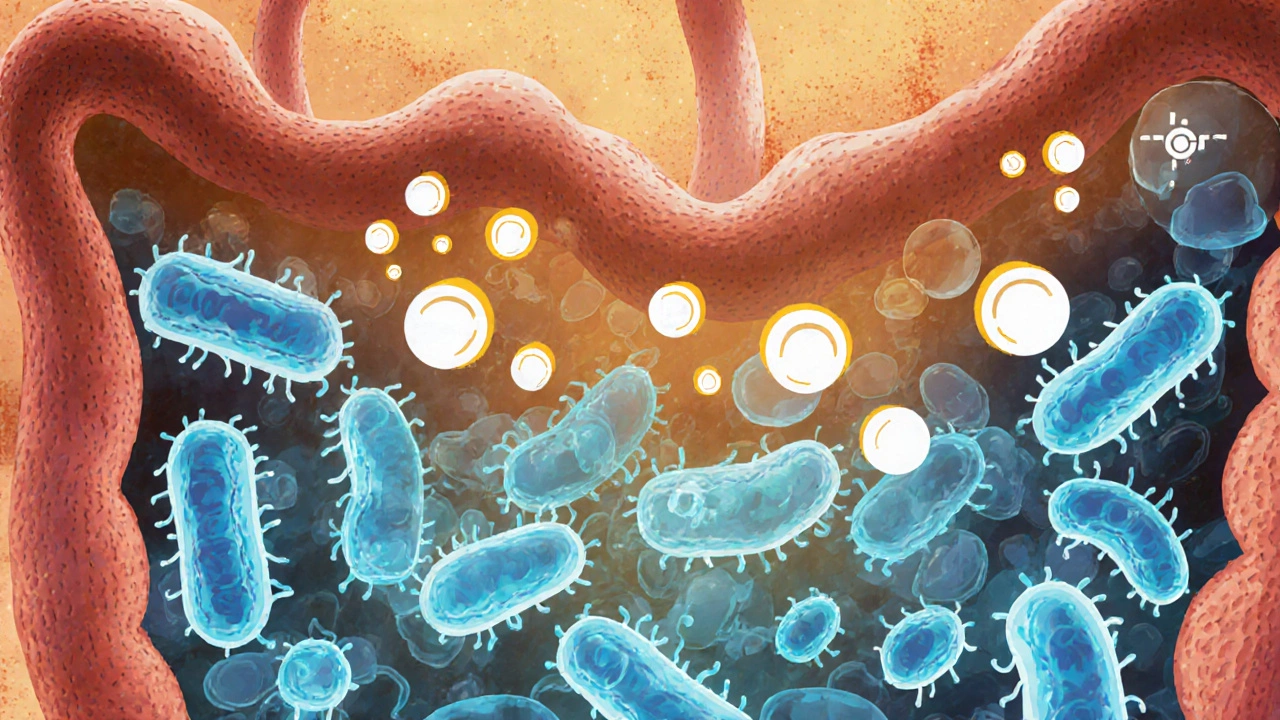
Dal belongs to the legume family, which is rich in protein, fiber, and a group of carbohydrates called oligosaccharides. Unlike simple sugars, oligosaccharides are resistant to digestion in the upper stomach and small intestine because humans lack the enzyme alpha‑galactosidase needed to break them down.
When these carbs reach the colon, the resident gut bacteria ferment them, producing hydrogen, methane, and carbon dioxide - the gases that cause the familiar rumbling and pressure.
Two other culprits add to the problem:
- Phytic acid binds minerals and can slow digestion, leaving more material for bacterial fermentation.
- High fiber content, while great for health, can also increase bulk that reaches the colon untouched.
Why Some People Feel More Gas Than Others
Everyone’s gut microbiome is unique. People with a higher proportion of gas‑producing bacteria (like Clostridium species) will notice more bloating. Also, digestive health matters: low stomach acid or a sluggish small‑intestine motility means food stays longer, giving bacteria more time to act.
Finally, the type of dal matters. Red lentils (masoor) have fewer oligosaccharides than chickpeas (chana) or black gram (urad). That’s why a simple soup of red lentils often feels lighter than a rich dal makhani made with whole urad.
Simple Strategies to Cut Down the Gas
Fortunately, a few kitchen tricks can dramatically lower the amount of gas‑producing carbs that survive digestion.
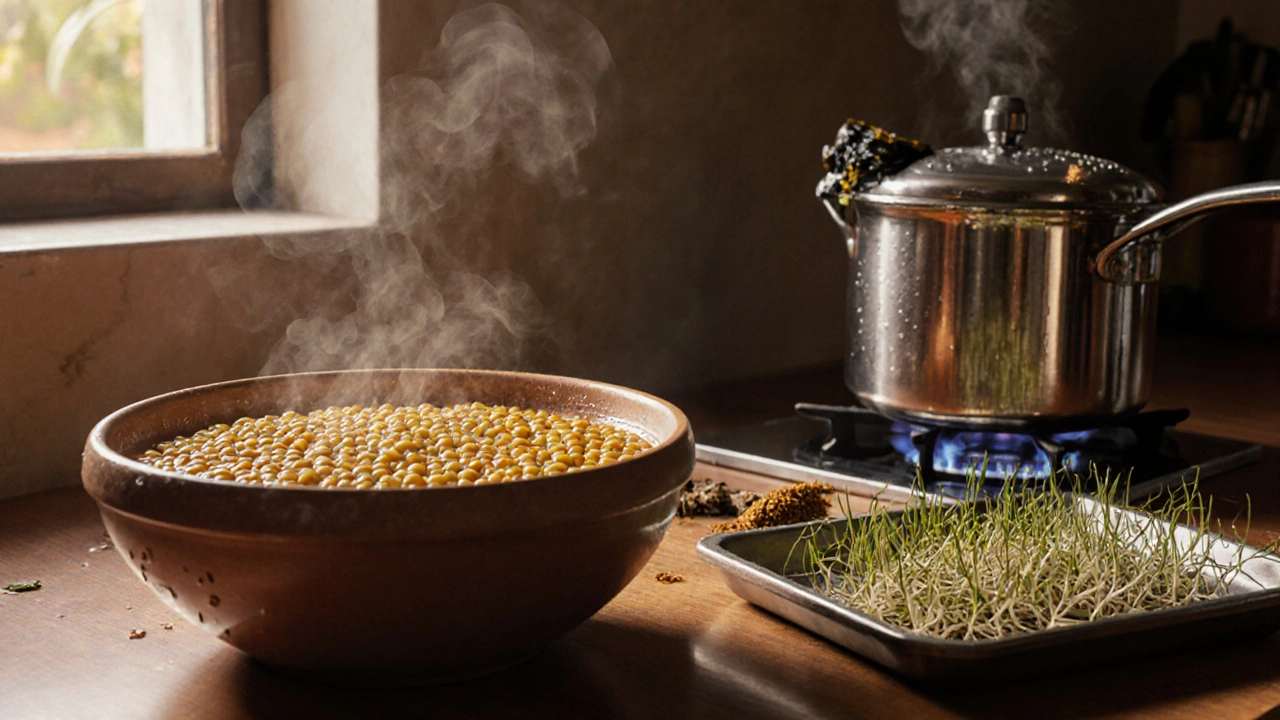
- Soak before cooking: Rinse the dal, then soak it in plenty of water for 4-6 hours (or overnight). Soaking leaches out a good chunk of oligosaccharides and phytic acid.
- Sprout when possible: After soaking, drain and leave the dal in a warm spot for 12-24 hours, rinsing twice daily. Sprouting activates native enzymes that pre‑digest the carbs.
- Rinse again after soaking/sprouting: A final rinse removes the water that now contains the dissolved sugars.
- Cook with kombu or a pinch of asafoetida (hing): Kombu seaweed releases glutamates that help break down complex carbs; hing adds a natural carminative that relaxes the gut.
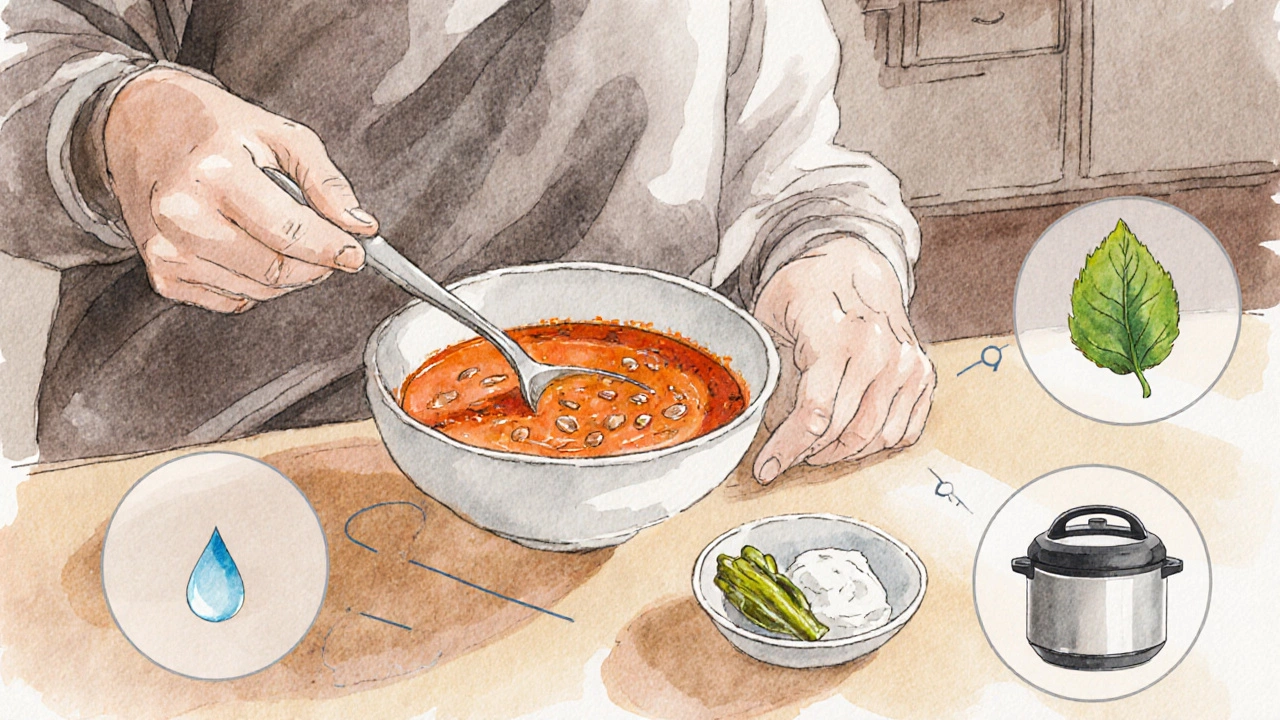
- Use a pressure cooker: The high pressure and steam denature the resistant starches faster than a regular pot, shortening the fermentable load.
- Add digestive enzymes: A few drops of over‑the‑counter alpha‑galactosidase (often labeled “Beano”) during cooking can do the heavy lifting for you.
- Incorporate probiotic foods: A side of plain yogurt or a spoonful of fermented pickle can rebalance the microbiome, reducing gas production over time.
Comparison of Preparation Methods
| Method | Time Needed | Gas‑Reduction Rating* | Flavor Impact |
|---|---|---|---|
| Plain boil (no soak) | 30‑40 min | Low | Neutral |
| Soak 4‑6 hr + boil | 45‑55 min total | Medium | Softened |
| Soak + sprout 12‑24 hr + boil | 1‑2 hr total | High | Fresh, slightly nutty |
| Pressure cooker (no soak) | 15‑20 min | Medium‑High | Rich, tender |
| Pressure cooker + soak | 30‑35 min total | Very High | Very smooth |
*Gas‑Reduction Rating is a relative scale from low (most gas) to very high (least gas) based on scientific studies and home‑cook feedback.
Quick Checklist to Keep Your Stomach Calm
- Rinse dal thoroughly before any use.
- Soak for at least 4 hours; longer for larger beans.
- Discard soak water; rinse again.
- Consider sprouting if you have extra time.
- Add a piece of kombu or a pinch of hing while cooking.
- Use a pressure cooker for the fastest gas‑reduction.
- Finish with a spoonful of yogurt or a handful of fermented pickles.
When to See a Doctor
Occasional bloating after dal is normal, but if you experience persistent abdominal pain, severe constipation or diarrhea, weight loss, or blood in stool, it’s time to consult a healthcare professional. Those symptoms could point to underlying conditions like IBS, lactose intolerance (if dairy is added), or a food allergy.
Frequently Asked Questions
Does the type of dal affect how gassy it is?
Yes. Red lentils and split peas tend to have fewer oligosaccharides than black gram or chickpeas. Choosing a lower‑oligosaccharide dal can reduce gas without extra prep.
Can I use a regular pot instead of a pressure cooker?
You can, but the cooking time will be longer and the gas‑reduction benefit slightly lower. Adding a longer soak and a pinch of hing helps close the gap.
Is eating yogurt after dal really helpful?
Yogurt provides live probiotics that compete with gas‑producing bacteria, helping balance the gut flora and easing bloating over time.
Should I avoid dal completely if I’m sensitive?
Not necessarily. Adjusting preparation (soaking, sprouting, pressure cooking) often makes dal tolerable. If symptoms persist, a registered dietitian can help you design a low‑FODMAP plan.
Does kombu really make a difference?
Studies on seaweed additives show that kombu’s glutamates aid the breakdown of complex carbs, cutting gas production by up to 30 % in some trials.