Dosa Batter Fermentation Predictor
Adjust the settings to simulate your kitchen environment.
Enter parameters and click Analyze to see predictions.
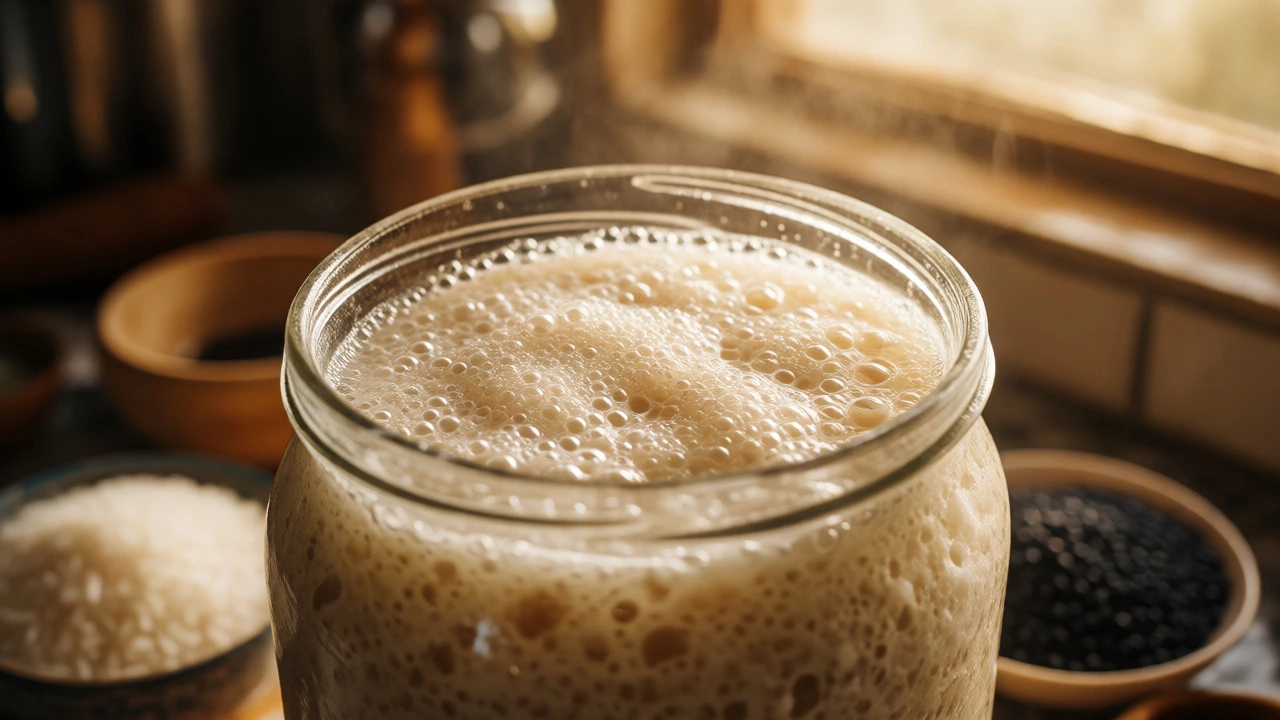
You open the lid of your dosa batter container, expecting that mild, yeasty aroma that promises a fluffy breakfast. Instead, you’re hit with a sharp, vinegary punch that makes your eyes water. It’s frustrating, right? You followed the recipe, soaked the rice and urad dal for eight hours, ground it perfectly, and waited overnight. Yet, somewhere between your kitchen counter and the tawa, the balance tipped too far. The question isn't just "is it ruined?" but "why did this happen to my batch?"
Understanding why dosa batter turns overly sour is about mastering the invisible workforce in your jar: microorganisms. Fermentation is biology, not magic. When you control the environment-temperature, time, and ingredients-you control the outcome. Let’s break down exactly what happens inside that batter so you can stop guessing and start serving consistent, golden dosas every single morning.
The Microbial Engine Behind the Sour Taste
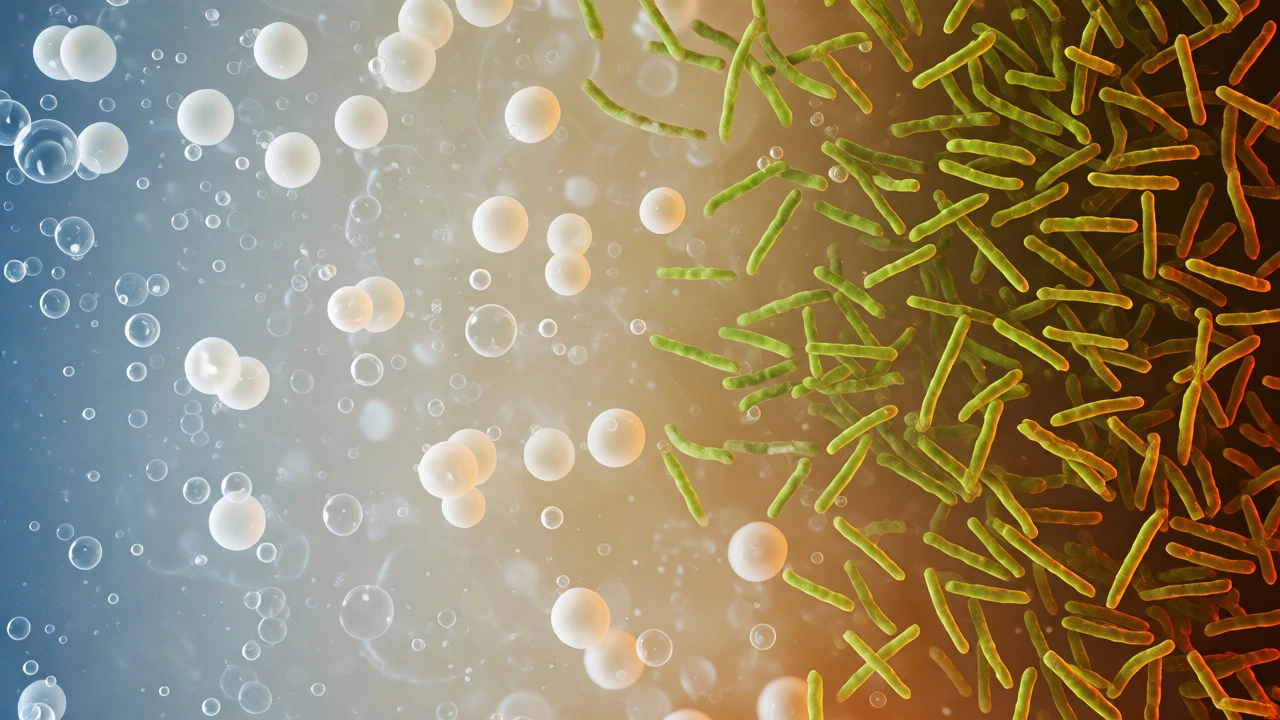
At its core, fermentation is the metabolic process where yeast and bacteria convert sugars into acids and gases. In dosa batter, two main players are working overtime: wild yeast and Lactic Acid Bacteria (LAB). While the yeast produces carbon dioxide (which gives dosa its holes and lightness), the LAB produce lactic acid. This acid is responsible for the characteristic tangy flavor we associate with authentic South Indian dosas.
Here’s the catch: these two organisms don’t always work at the same speed. Yeast thrives in slightly cooler temperatures and prefers a neutral pH initially. Lactic Acid Bacteria, however, love warmth and multiply rapidly once the environment becomes acidic. If your kitchen is hot, or if the batter sits too long, the LAB outcompete the yeast. They consume all available sugars and dump massive amounts of lactic acid and acetic acid into the mix. That sharp, vinegar-like smell? That’s acetic acid signaling that fermentation has gone past the sweet spot into spoilage territory.
| Microorganism | Primary Output | Optimal Temp | Effect on Taste |
|---|---|---|---|
| Wild Yeast | CO2 + Ethanol | 25°C - 30°C | Bready, mild aroma |
| Lactic Acid Bacteria | Lactic Acid | 30°C - 40°C | Tangy, sharp sourness |
| Acetobacter | Acetic Acid | Above 30°C | Vinegar-like pungency |
Temperature Is the Biggest Culprit
If you live in a tropical climate or your kitchen gets warm during summer, your batter will ferment much faster than a recipe written for a cooler environment suggests. Most traditional recipes assume an ambient temperature of around 20-22°C. At this temperature, a 12-hour fermentation window is standard. But bump that up to 30°C, and the biological clock speeds up dramatically.
In Sydney, where I write from, our summers can swing wildly. A batter left on the counter overnight might be perfect one week and undrinkably sour the next because of a heatwave. When temperatures exceed 30°C, Lactic Acid Bacteria reproduce exponentially. They overwhelm the yeast before the batter has developed enough structure. The result is a batter that rises quickly but collapses just as fast, leaving you with flat, excessively sour dosas that stick to the pan.
To combat this, treat temperature like an ingredient. If it’s hot, reduce the fermentation time. Check the batter after 6 or 8 hours instead of waiting for the full night. If it’s cold, you might need to extend the time or place the jar near a heat source (like an oven with the light on). Consistency here is key; erratic temperatures lead to erratic flavors.
The Role of Ingredients and Water Quality
It’s not just about how long you wait; it’s about what you put in the jar. Traditional dosa batter uses only three things: rice, urad dal, and water. But the type of rice matters significantly. Short-grain parboiled rice or idli rice contains more starch and less sugar compared to raw white rice. Urad dal provides the proteins and natural yeasts needed for fermentation.
If you use old urad dal, the natural microbial load might be unbalanced. Fresh dal carries a robust population of beneficial microbes. Old dal might have dormant or dead cultures, forcing you to rely on environmental contamination, which is unpredictable. Additionally, some people add fenugreek seeds (methi) to their batter. Fenugreek adds a subtle bitterness and aids fermentation, but adding too much can alter the pH balance, making the batter taste odd rather than pleasantly tangy.
Water quality also plays a sneaky role. Chlorinated tap water can inhibit bacterial growth. If you notice your batter struggling to rise or turning weirdly sour without bubbling properly, try using filtered or boiled-and-cooled water. This removes chlorine, allowing the native microbes on the grains to do their job without interference.
Over-Fermentation vs. Spoilage: Can You Save It?
So, your batter smells strong. Is it trash? Not necessarily. There is a difference between over-fermented batter and spoiled batter. Over-fermented batter is safe to eat but tastes intensely sour. The texture might be thin and watery, and the aroma will be sharp. Spoiled batter, on the other hand, often has pinkish spots, mold, or a rotten egg smell caused by sulfur-producing bacteria.
If it’s just over-sour, you can rescue it. Here is a practical fix:
- Dilute it: Mix the sour batter with fresh, unfermented batter made from the same ratio of rice and dal. Aim for a 1:1 ratio to bring the acidity down.
- Add alkalinity: A pinch of baking soda can neutralize excess acid. Be careful-too much will make the dosa taste soapy and prevent browning.
- Refrigerate immediately: Once you’ve adjusted the taste, keep the remaining batter in the fridge. Cold slows down the bacteria, preventing further souring.
If you see mold or smell rot, discard it. No amount of dilution fixes pathogenic contamination.
Preventing Future Sourdough Disasters
Prevention is easier than cure. To keep your dosa batter predictable, establish a routine that accounts for your specific kitchen conditions. Start by keeping a log. Note the date, time, temperature, and outcome of each batch. After three batches, you’ll know exactly how many hours your batter needs in your current season.
Another pro tip is to use a starter culture if you struggle with wild fermentation consistency. A small spoonful of previous successful batter acts as an inoculant, introducing a known quantity of healthy yeast and LAB. This reduces the risk of unwanted bacteria taking over. Store your "mother" batter in the freezer if you aren’t making dosas daily, thawing it when needed.
Finally, hygiene matters. Ensure your grinding jars and storage containers are thoroughly cleaned. Residual batter from previous batches can harbor aggressive strains of bacteria that will dominate your new mixture, leading to unexpected sourness. Use glass or stainless steel containers; plastic can retain odors and bacteria even after washing.
Frequently Asked Questions
Is sour dosa batter bad for health?
Generally, no. Mild sourness is a sign of proper fermentation and probiotics, which are good for gut health. However, extremely sour batter may cause acidity or heartburn in sensitive individuals. If the batter smells like nail polish remover or rotten eggs, it is likely spoiled and should be discarded.
How do I fix batter that is too sour?
You can mix it with fresh, unfermented batter to dilute the acidity. Alternatively, add a tiny pinch of baking soda to neutralize the acid, but use it sparingly to avoid a soapy taste. Refrigerating the batter immediately also stops further acid production.
Does adding methi (fenugreek) make batter sour?
Fenugreek seeds aid fermentation and add a slight bitterness, but they don't inherently make the batter sour. In fact, they help maintain a balanced pH. However, using excessive amounts can alter the flavor profile, making it taste medicinal rather than tangy.
Why is my batter not rising but still sour?
This usually indicates that the yeast activity was low while bacterial activity remained high. This can happen if the water was too hot during grinding (killing the yeast) or if the environment was too warm for yeast but ideal for bacteria. Try using cooler water and ensuring your urad dal is fresh.
Can I freeze dosa batter to stop it from getting sour?
Yes, freezing halts fermentation completely. Thaw the batter in the refrigerator overnight before use. Note that the texture might change slightly, becoming thinner, so you may need to adjust consistency with a little water. Freezing is great for preserving batter during travel or busy weeks.