Paneer Cost Comparison Calculator
Your Variables
500g Paneer Breakdown
Did you know?
To make 500g of paneer, you typically need ~3 Litres of Full Cream Milk. Using skim milk will reduce your yield significantly.
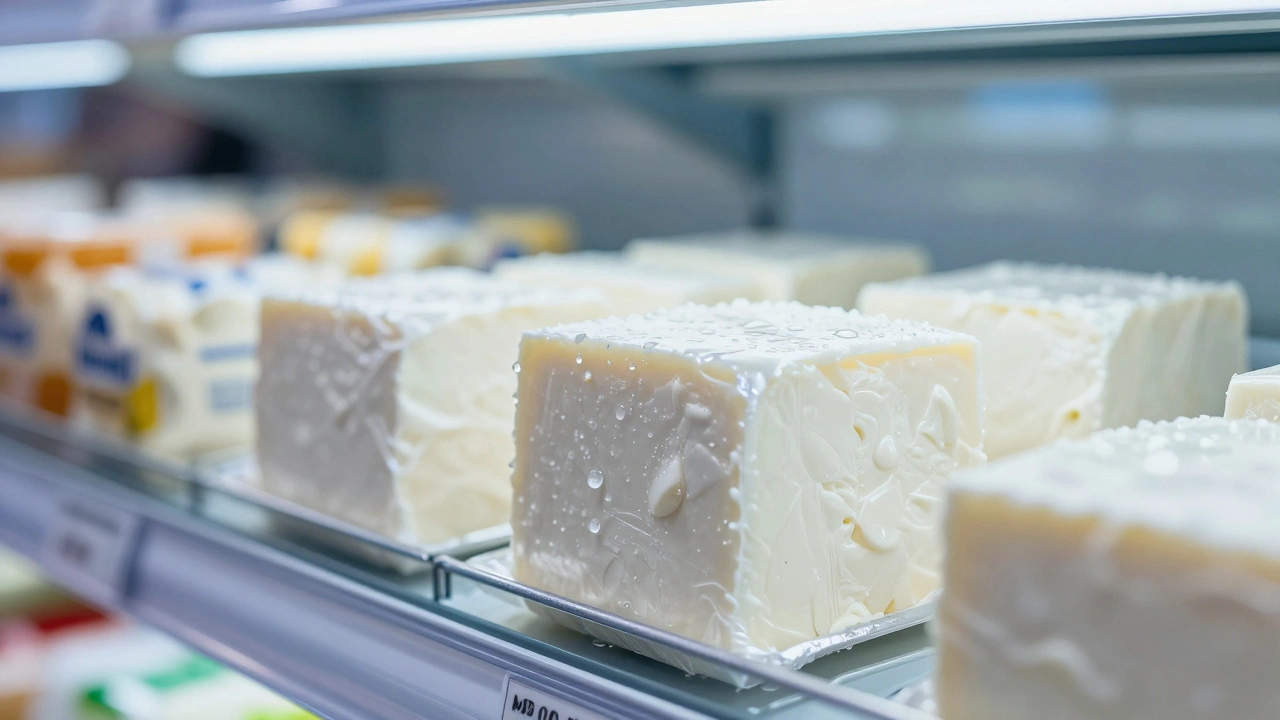
You walk into your local supermarket in Sydney, grab the familiar white block, and nearly do a double-take at the price tag. In early 2026, finding fresh paneer under ten dollars feels impossible for most shoppers. You aren't imagining it; the cost of Paneer isa firm, non-melting cottage cheese popular in Indian cuisine has climbed steadily alongside other dairy products. Why does this simple block of pressed curds command such a premium price? It isn't just greed; it's a complex mix of raw material costs, labour, shelf life, and supply chain quirks that add up fast.
Many home cooks assume paneer is just cheap milk and acid combined, so why the markup? The reality hits hard when you look at the breakdown. A single 500g block often uses around three litres of full-cream milk. With dairy prices fluctuating across New South Wales, every cent paid at the farm gets magnified by the time it reaches your trolley. If you are cooking weekly family meals involving butter chicken or palak paneer, these small margins quickly become a noticeable dent in your monthly grocery bill.
Quick Summary / Key Takeaways
- Milk Volume: Producing one kilogram of paneer requires approximately six kilograms of whole milk, making raw milk cost the biggest factor.
- Freshness Matters: Paneer spoils faster than cheddar or mozzarella, leading to higher waste charges baked into the retail price.
- Labour Intensive: Traditional methods involve straining and pressing by hand, adding significant labour costs compared to automated cheese lines.
- Import Premium: Most imported paneer carries shipping fees and tariffs, while locally made versions struggle with milk scarcity.
- DIY Solution: Making it at home using standard supermarket milk cuts the cost by up to sixty percent instantly.
The Mathematics of Milk and Yield
To understand the price, you need to understand the yield. When you buy milk, you are paying for water, fat, protein, and solids. Paneer is essentially the solid part of milk separated out. In the world of Dairy Processing isthe industrial method of converting raw milk into consumable products, efficiency dictates profit. However, traditional Indian-style paneer requires high-fat milk to achieve that crumbly yet firm texture. You cannot simply use skim milk here; the fat content is crucial for the mouthfeel.
Consider the ratio closely. To get one kilogram of firm paneer, manufacturers typically need between five and six litres of full-cream milk. In 2026, a litre of premium full-cream milk might set you back anywhere from two to three dollars depending on the brand and region. That alone suggests a base cost before any packaging, electricity, or rent is considered. Commercial producers might get bulk rates, but even then, the margin remains tight because dairy farmers themselves are facing high feed costs and energy expenses for cooling.
This explains why you see different prices across stores. Some brands advertise "extra creamy" variants which use richer milk. Others might dilute slightly, affecting texture but lowering cost. As a buyer, you are often subsidizing the risk of low yields during harvest seasons or bad weather events that impact pasture quality. Every storm or heatwave in Australia impacts the grass cows eat, directly influencing milk composition and ultimately your checkout total.
Shelf Life and Food Waste Factors
Unlike hard cheeses like Parmesan or Cheddar, Fresh Cheese ischeese varieties with high moisture content and short expiration times does not age well. Paneer has a very short window before bacteria grow inside it. Even vacuum-packed blocks usually last only four to six days in the fridge once opened. Retailers know this. They build the potential for spoilage into the unit price.
If a store buys 100 blocks and sells only 80 before expiry, they lose twenty percent of their revenue immediately. That loss gets absorbed by the consumers who buy the product before the sell-by date. This is a hidden tax on freshness. You are paying partly for the convenience that someone else doesn't have to throw away spoiled stock. In contrast, a block of processed cheese might sit on a shelf for months, offering retailers safety but lacking the taste profile you want for authentic dishes.
Furthermore, maintaining the cold chain adds another layer of expense. From the factory in Victoria to a warehouse in Western Sydney, temperature control is non-negotiable. Refrigerated trucks cost significantly more to run than dry goods transport. These logistics are invisible to us, but they add up to a few extra cents per gram that stack into dollars per pack. Inflation hits harder on perishables precisely because you cannot delay delivery or store them indefinitely waiting for prices to drop.
Labor and Production Methods
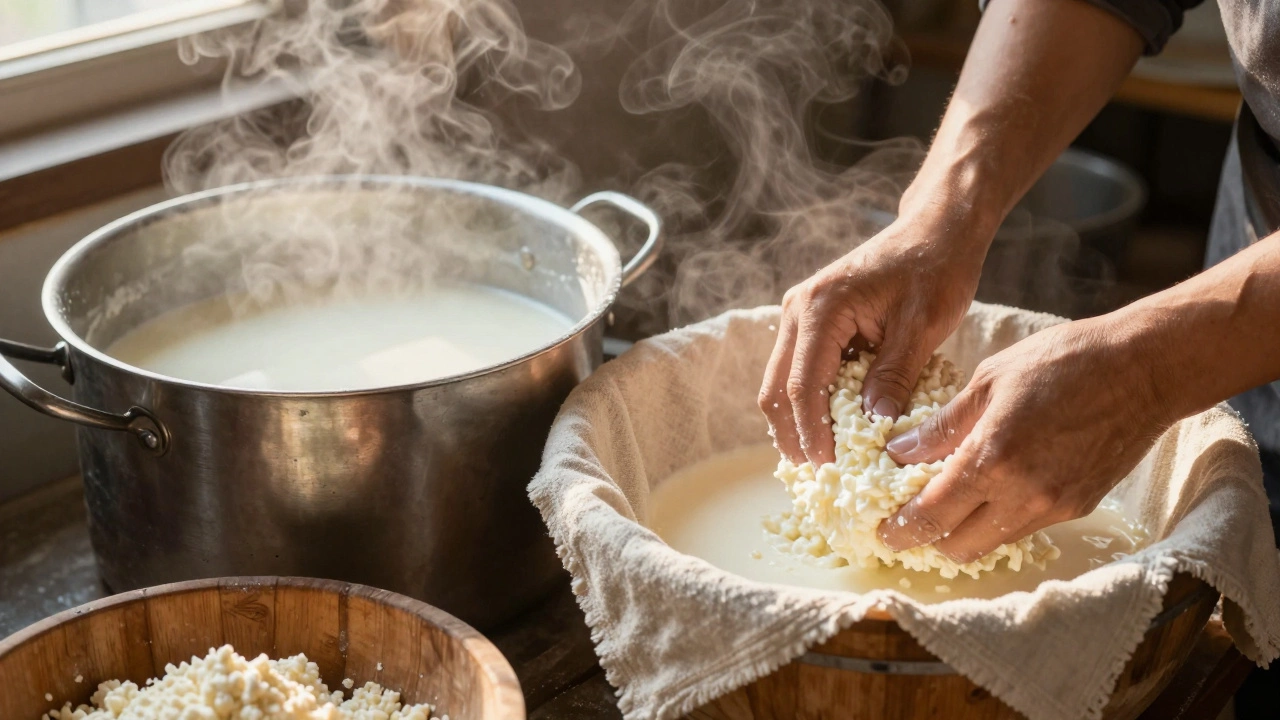
While some industrial cheeses are formed entirely by machines spinning in vats, quality paneer often involves manual steps. The milk must be heated, acidulated gently, curdled, drained, and then pressed. Small batches require constant attention to ensure the curds do not become too grainy. In Australia, where labour rates are among the highest globally, this hands-on approach drives up the cost substantially.
You might see packaged paneer labeled as "artisan" or "premium". These terms indicate less automation. While automation would cut costs, it risks damaging the delicate texture that distinguishes good paneer from rubbery filler. Manufacturers balance these factors carefully. If they automate too much, customers complain about the texture. If they keep it manual, the price stays high. It is a classic trade-off between quality consistency and affordability. For many families, this makes shopping difficult, forcing a choice between buying inferior imported versions or saving up for the good stuff.
Imported Versus Local Production
Not all paneer is made in Australia. Depending on your location, you might see blocks shipped in from India or Southeast Asia. Imported options sound cheaper on paper, but shipping frozen food incurs substantial fuel surcharges and customs duties. Additionally, imported paneer often contains preservatives to survive the journey across oceans. This changes the flavor profile slightly.
Local production avoids the long shipping routes but suffers from lower supply volumes. There are fewer factories dedicated solely to paneer compared to those making cheddar or mozzarella. Economies of scale don't work here; the market size for paneer in Sydney is smaller than for general cheeses. Consequently, specialized producers charge more to maintain their operations. Buying local means supporting niche businesses, but that support comes with a financial premium attached to each purchase.
| Factor | Store-Bought (500g) | Homemade (500g Output) |
|---|---|---|
| Raw Ingredient Cost | Included in Price | $6.00 - $8.00 AUD (Milk only) |
| Labor Cost | Built-in | Zero (Your own time) |
| Shelf Life | 5 Days | Up to 7 Days (if stored correctly) |
| Total Estimated Cost | $8.00 - $14.00 AUD | $6.50 - $8.50 AUD |
Strategies to Lower Your Costs
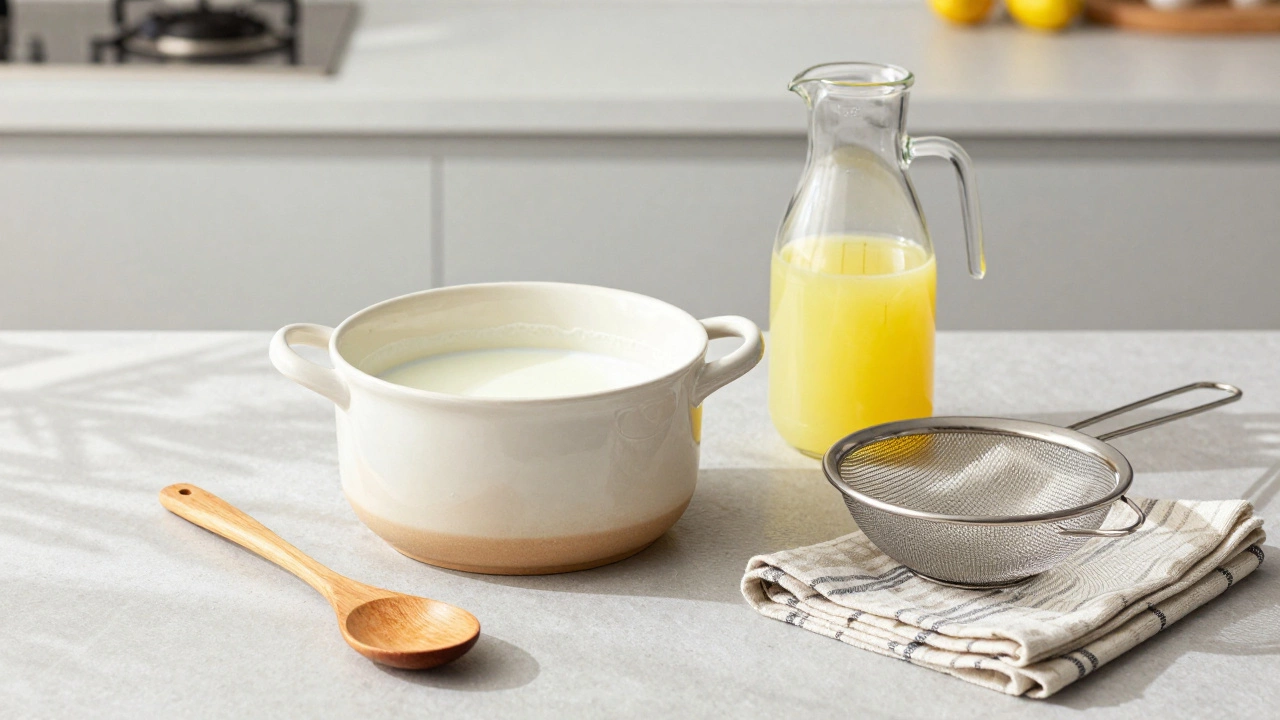
Knowing the reasons behind the price empowers you to make smarter choices. One immediate strategy is switching to homemade preparation. It is easier than people think. You boil a large pot of milk, add lemon juice or vinegar to separate the curds, and drain them in a cloth. The result is fresher than anything bought in a packet. Plus, you control exactly how much fat ends up in the final block.
You can also adjust shopping habits to beat the odds. Buy frozen paneer instead of fresh. Many wholesalers sell freezer-friendly blocks in bulk packs. Freezing reduces bacterial growth and extends usability to several months. When you plan meals ahead, you can defrost one block per week, ensuring minimal waste and locking in a lower price point than daily fresh purchases.
Another angle is bulk purchasing. If you live near a wholesale club or an Indian grocer with volume discounts, stocking up when prices dip helps smooth out budgeting. Sometimes supermarkets run loss leaders on dairy, selling milk cheaper to lure customers in. Using these promotions to make paneer in bulk creates a hedge against regular inflation spikes seen throughout late 2025 and into 2026.
Troubleshooting Common Issues
People often worry that homemade Cottage Cheese isa generic term for fresh unaged cheese curds lacks the proper firmness. This usually stems from low-fat milk or over-acidifying too quickly. If you use skim milk, the yield is poor and the texture soft. Stick to full-cream or add cream for richness. Also, gentle acidity is key; rush the process and the curds snap apart easily.
If your homemade version turns out too spongy, you likely rinsed the curds with hot water. Always rinse with cold water to stop the cooking process without dissolving the proteins. Wrapping the paneer in a clean muslin cloth and weighing it down ensures it presses into a dense block. These details differentiate a professional-grade block from a messy mess.
How much milk is needed to make 1kg of paneer?
You typically need around 6 litres of full-cream milk to produce 1 kilogram of paneer. Skim milk yields significantly less solid curd due to lower fat content.
Why does fresh paneer expire so quickly?
Fresh paneer has high moisture and no preservatives. Unlike aged cheeses that cure to reduce bacteria, paneer is consumed raw and fresh, giving it a lifespan of only 4-6 days refrigerated.
Can I freeze paneer to save money?
Yes, freezing preserves paneer for months. While texture may change slightly upon thawing, it remains perfect for cooked dishes like curries where firmness matters less.
Is imported paneer cheaper than local Australian brands?
Often yes, imported frozen blocks avoid some local processing costs. However, shipping and import taxes can negate savings compared to bulk-bought local milk for DIY.
What causes grainy texture in homemade cheese?
Graininess happens when the milk boils over after acid addition or overheats. Keep heat moderate after adding lemon juice or vinegar to maintain smooth curds.