Biryani Dairy Science Calculator
Use this tool to determine the perfect amount of dairy for your biryani pot. Whether you want a creamy Lucknowi style or a tangy Hyderabadi kick, get precise measurements and scientific tips.
Recommended Dairy Volume
-- ml
Select your parameters and click calculate to see how much milk or yogurt you need.
You’re standing over a pot of steaming biryani, and you see a recipe calling for milk. Your first instinct might be to question it. Isn’t this supposed to be a savory dish? Why would anyone pour dairy into a spiced rice masterpiece? If you’ve ever wondered about the role of milk in biryani, you aren’t alone. It’s one of those secret techniques that separates good biryani from great biryani.
Here is the truth: milk isn’t just there to make things fancy. It changes the chemistry of your rice. It adds richness, tenderizes the meat, and creates that signature glossy finish that makes people ask for seconds before they even taste the spice profile. But not all milks work the same way, and timing matters more than you think. Let’s break down exactly why this ingredient earns its spot in the pot.
The Texture Transformation: How Milk Changes Rice
Think about plain boiled rice. It can sometimes feel dry or separate too much. When you add milk during the cooking process, specifically during the simmering stage of the rice or the marination of the meat, something interesting happens. Milk contains proteins and fats that coat the grains of Basmati rice. This coating prevents the starches from releasing too aggressively, which stops the rice from becoming gummy or sticky.
Instead, you get distinct, fluffy grains that have a subtle creaminess without being heavy. In many traditional recipes, especially those from the Lucknowi tradition, milk is used in the initial boiling phase. The lactic acid in the milk also helps break down the gluten slightly, resulting in a softer bite. If you’ve ever had a biryani where the rice felt like chalk in your mouth, skipping the milk (or yogurt) step might be the culprit.
Tenderizing Meat Without Toughness
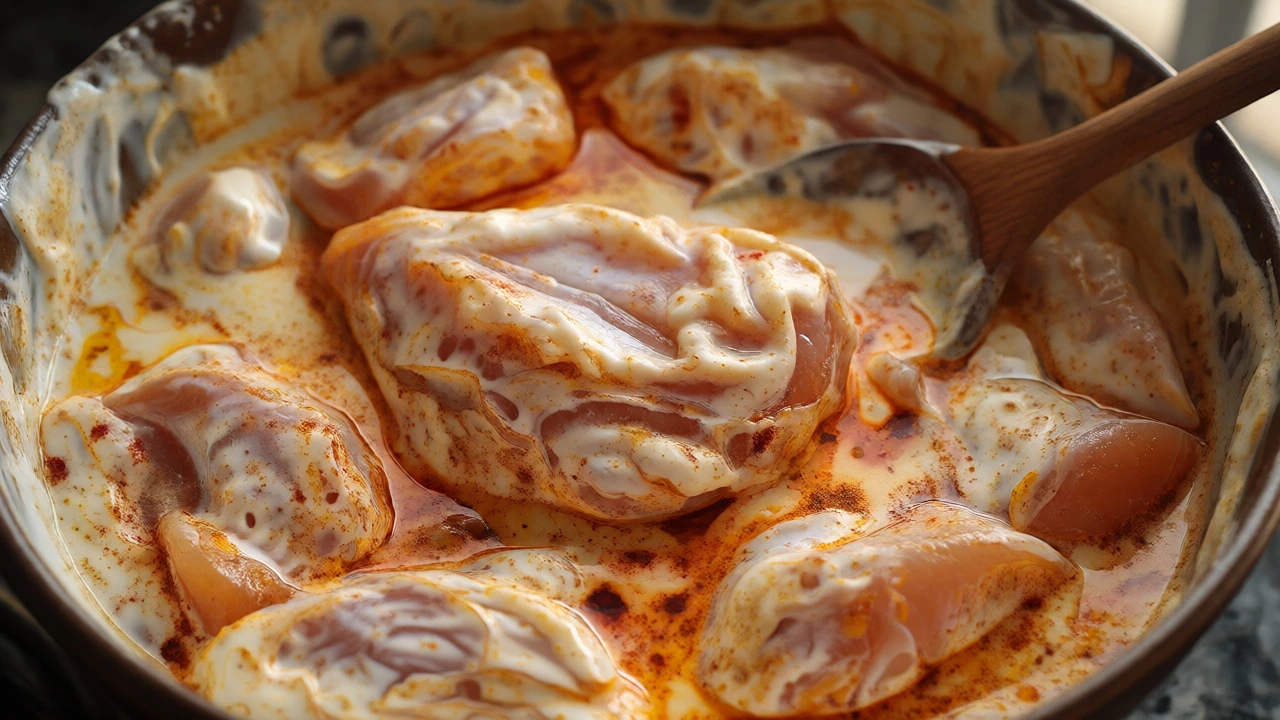
If you are making chicken or mutton biryani, milk plays a crucial dual role. It acts as a natural tenderizer. The enzymes and acids in dairy products help soften tough connective tissues in meats like goat or older chickens. You don’t need harsh chemical tenderizers when you have a cup of full-fat milk in your marinade.
Consider the Hyderabadi style, where yogurt is often preferred, but milk still finds its way into certain variations for a lighter touch. Milk penetrates the meat fibers more gently than vinegar or lemon juice. It ensures that by the time the dum (slow steam-cooking) process finishes, the meat falls off the bone effortlessly. It keeps the protein moist while the spices penetrate deep inside. Without this moisture barrier, high heat can seize up the meat, leaving it rubbery despite hours of slow cooking.
Balancing Heat and Acidity
Biryani is a complex balance of flavors. You have heat from chilies, acidity from tomatoes or tamarind, and salt from the brine. Milk acts as a flavor buffer. Casein, the primary protein in milk, binds with capsaicin-the compound that makes chilies hot. This doesn’t remove the spice; it rounds it out. Instead of a sharp, burning sensation at the front of your tongue, you get a warm, spreading heat that allows other notes like cardamom, saffron, and fried onions to shine.
This is particularly useful if you are using store-bought spice mixes, which can sometimes be unpredictable in heat levels. A splash of milk smooths out those jagged edges. It also neutralizes excessive acidity. If you added too many tomatoes and the biryani tastes sour, the fat and protein in milk counteract that tang, bringing the dish back into harmony.
| Ingredient | Primary Function | Best For | Texture Impact |
|---|---|---|---|
| Whole Milk | Moisture & Mild Tenderizing | Chicken, Lighter Styles | Fluffy, Glossy Rice |
| Yogurt | Acidic Tenderizing & Thickening | Mutton, Rich Gravies | Creamy, Dense Gravy |
| Cream | Richness & Visual Appeal | Garnish & Finishing | Luxurious, Heavy Mouthfeel |
Which Milk Should You Use?
Not all milk is created equal for biryani. You want full-fat cow’s milk or buffalo milk if available. Skim milk lacks the necessary fat content to create that luxurious mouthfeel. It might hydrate the rice, but it won’t enrich it. In Australia, where I live, using standard whole milk works perfectly fine. Avoid UHT long-life milk if possible, as it can sometimes impart a slight cooked-metal taste that clashes with delicate aromatics like rose water or kewra.
Fresh pasteurized milk is ideal. If you are vegan, coconut milk is an excellent substitute, though it will shift the flavor profile toward South Indian coastal styles rather than North Indian Awadhi traditions. Almond milk is too thin and nutty; it rarely provides the body needed for authentic biryani. Stick to dairy or coconut for the best structural results.
When to Add Milk: Timing Matters
There are two main moments to introduce milk, and they serve different purposes.
- During Marination: Mix milk with your meat and spices before cooking. This starts the tenderizing process early. Leave it for at least an hour, preferably overnight. This is common for tougher cuts like lamb shanks or goat legs.
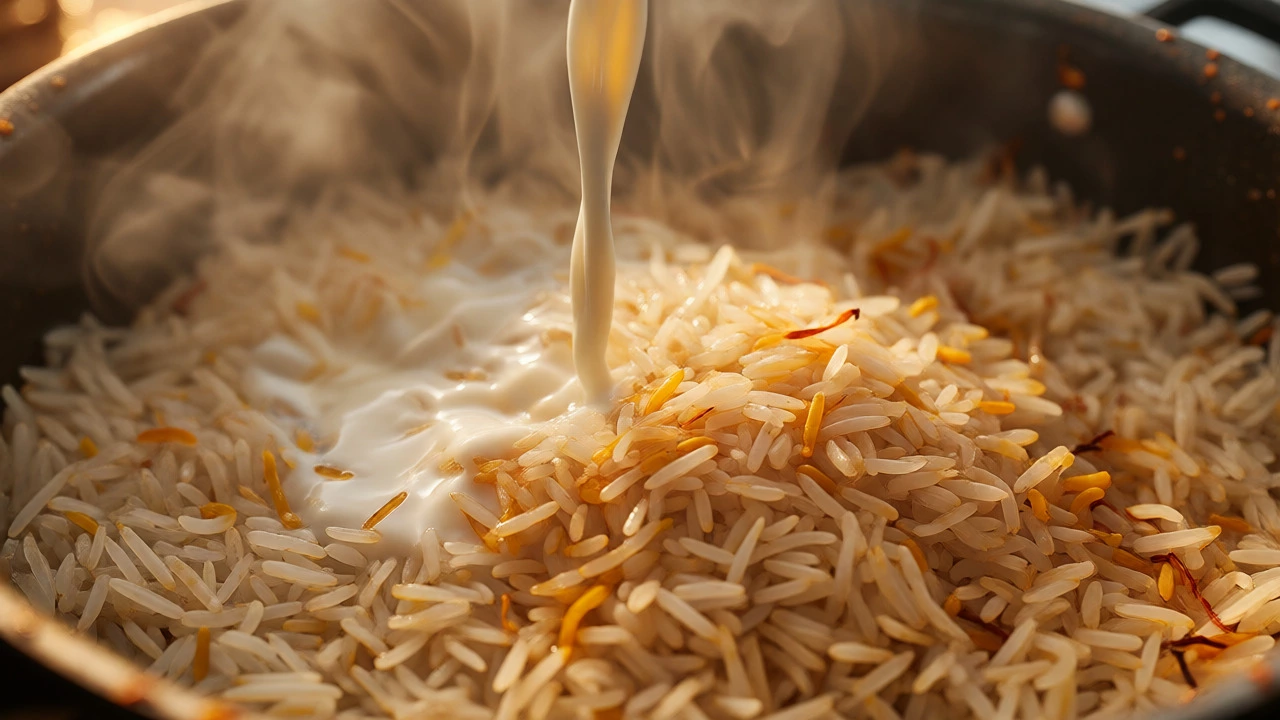
- During Rice Parboiling: Add a quarter cup of milk to the boiling water when parboiling the basmati rice. This infuses the grains with richness from the inside out. Drain the rice once it is 70% cooked. The milk residue on the grains helps them absorb the aromatic steam during the final dum stage.
Never boil milk vigorously with strong acidic ingredients like raw tomatoes unless you want curdling. If you need acidity, add the tomatoes first, let them cook down, and then introduce the milk slowly while stirring.
Common Mistakes That Ruin the Effect
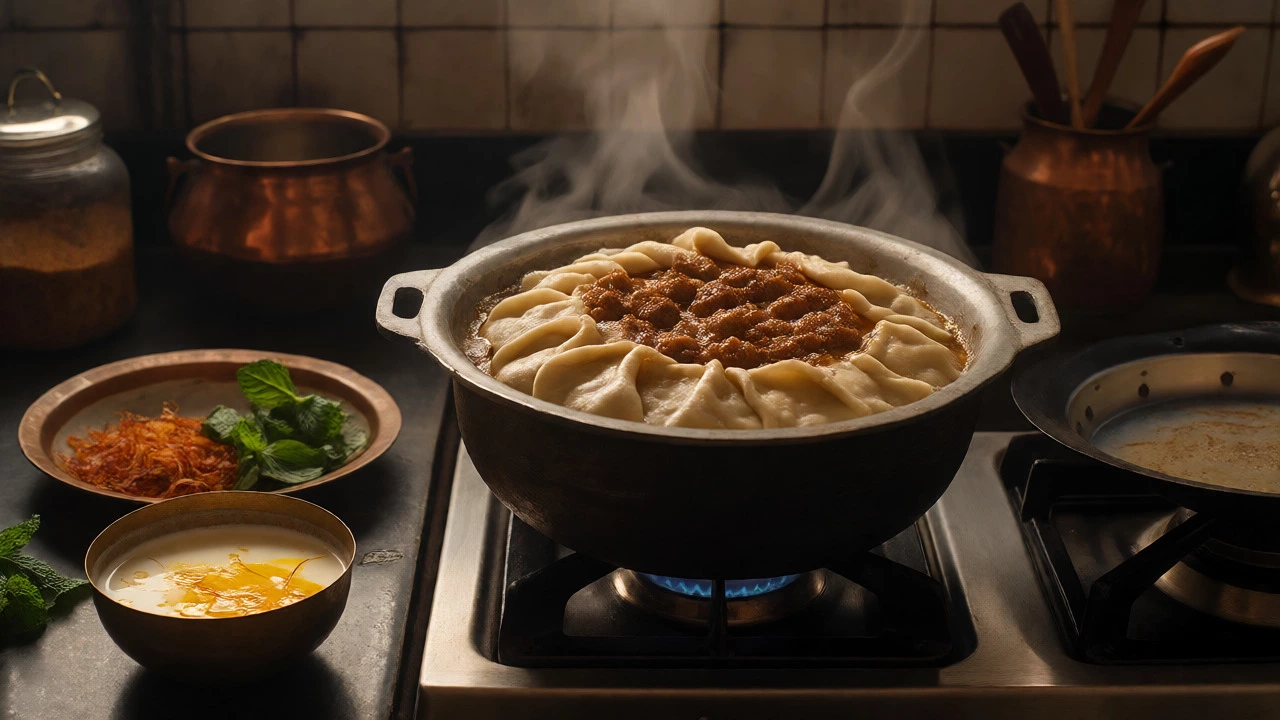
The biggest error is using too much milk. Biryani is not a stew. If you drown the rice in milk, you end up with a porridge-like consistency known as kheer-style confusion. A general rule of thumb: for every 500 grams of rice, use no more than 100-150ml of milk during the entire process. Balance is key.
Another mistake is adding cold milk to a hot pan without tempering it. This causes immediate curdling, leading to white specks in your beautiful brown gravy. Always bring milk to room temperature before adding it to hot oil or masala. Or, stir it into a small amount of the hot liquid first to temper it, then pour the mixture back into the main pot.
Regional Variations: Who Uses Milk?
While milk is universal in many households, specific regions lean on it differently. Lucknowi biryani, known for its subtlety, often uses milk to keep the rice white and delicate. Kolkata biryani, famous for its potato inclusion, sometimes uses milk in the gravy base to complement the sweetness of the potatoes. On the other hand, Malabar biryani from Kerala relies heavily on coconut milk, creating a completely different but equally valid interpretation of the "creamy" concept.
Understanding these differences helps you choose the right technique. If you want a dry, grain-separated biryani, minimize milk usage. If you prefer a juicy, cohesive dish, embrace the dairy.
Pro Tips for Perfect Dairy Integration
To get the best results, follow these simple heuristics:
- Saffron Infusion: Soak saffron strands in a tablespoon of warm milk before adding them to the rice. This releases the color and aroma evenly without staining patches.
- Final Garnish: Drizzle a teaspoon of fresh cream or thickened milk over the top before sealing the pot for dum. This creates a shiny, appetizing surface.
- Temperature Control: Keep the flame low when milk is involved. High heat burns milk solids quickly, introducing a bitter taste that is hard to mask.
Milk in biryani isn’t a gimmick. It’s a functional tool that enhances texture, balances flavor, and tenderizes meat. Once you understand the science behind it, you’ll never look at your grocery list the same way again. Next time you cook, try swapping half your water for milk in the rice pot. You might just find your new favorite shortcut to restaurant-quality results at home.
Can I use water instead of milk in biryani?
Yes, you can use water, but the result will differ. Water produces a drier, more separated grain structure typical of some dry biryani styles. However, you lose the creamy mouthfeel, the tenderizing effect on the meat, and the mild balancing of spicy heat. If you omit milk entirely, consider adding a bit more oil or ghee to compensate for the lost fat content.
Does milk make biryani sweet?
No, milk does not make biryani sweet. While milk contains lactose, the amount used in savory dishes is minimal and is usually balanced by salt, spices, and any sugar present in caramelized onions. The perception of sweetness is often confused with the richness or umami depth provided by the dairy fats.
What type of milk is best for biryani?
Full-fat cow’s milk is generally considered the best choice for traditional North Indian biryanis because of its rich flavor and protein content. Buffalo milk is even richer and thicker, popular in some regional variants. Coconut milk is the standard alternative for vegan versions or South Indian styles, offering a distinct tropical flavor profile.
Will milk curdle in biryani?
Milk can curdle if exposed to high heat combined with high acidity (like uncooked tomatoes or excess lemon juice). To prevent this, add milk gradually, ensure the base is not boiling violently, and consider tempering the milk with a little hot broth before mixing it into the main pot. Using yogurt instead of milk is another common method to avoid curdling issues while achieving similar tenderness.
Is milk necessary for Hyderabadi biryani?
Traditional Hyderabadi Kacchi biryani typically relies on yogurt and raw marinated meat rather than milk. The yogurt provides the acidity and tenderizing action. However, some modern adaptations or family recipes may include a splash of milk for extra richness. It is not strictly essential for the classic version, but it can enhance the final texture if used sparingly.