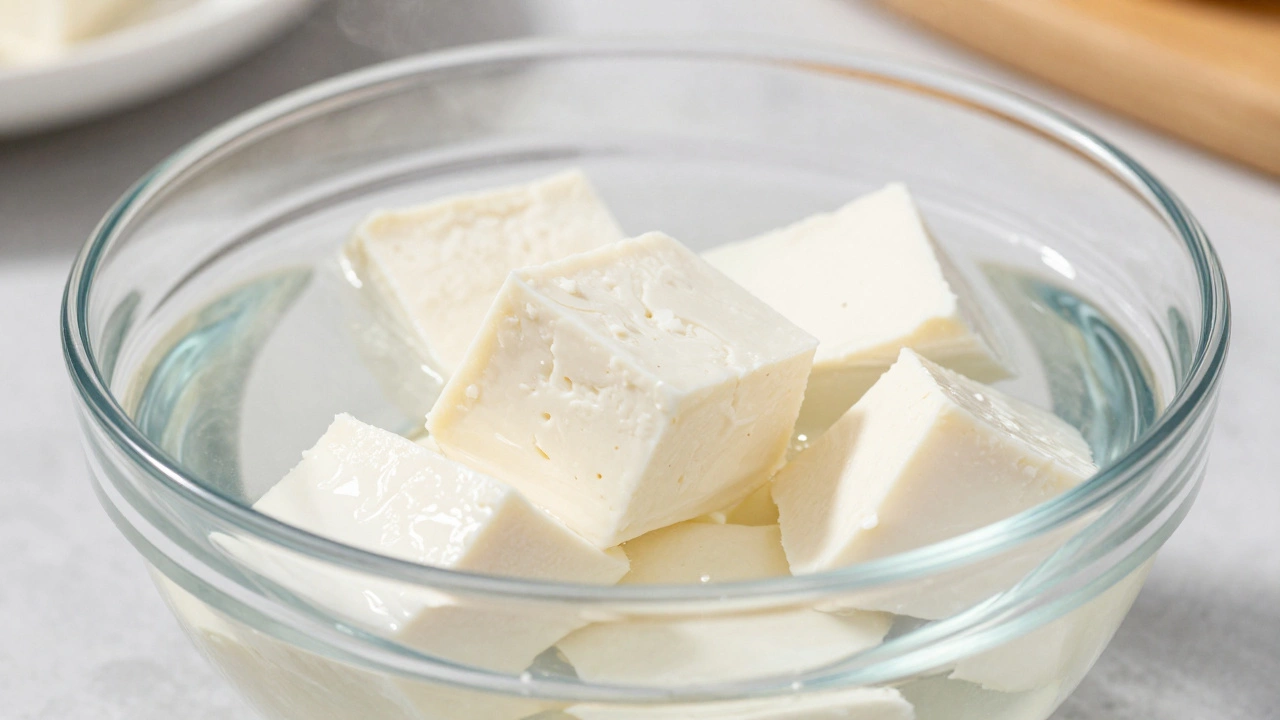
Paneer Soaking & Prep Planner
Recommended Plan
Step-by-Step Process
You know that sinking feeling when you bite into a piece of paneer in your favorite curry, and it’s hard as a rock? It doesn’t melt in your mouth. It just sits there, dense and dry, ruining the whole experience. If you’ve ever wondered why store-bought or homemade cheese can be so tough despite following the recipe perfectly, the answer usually lies in one simple step: soaking.
We often think of soaking paneer as an optional extra, something only done for fancy presentations like stuffed appetizers. But here is the truth: soaking is the single most effective hack to transform rubbery cheese into tender, succulent cubes that absorb flavor instead of repelling it. Let’s break down exactly why this works and how to do it right without turning your dinner into mush.
The Science Behind Hard Cheese
To understand why we soak, we first need to look at what homemade paneer actually is. Unlike cheddar or mozzarella, which are aged and processed with enzymes, fresh cottage cheese (known globally as cottage cheese or fresh curd cheese) is made by coagulating milk with an acid like lemon juice or vinegar. This process causes the proteins to clump together tightly.
When you heat milk and add acid, the casein proteins denature and form a tight network that traps fat and water. If you squeeze the whey out too aggressively during the making process, or if the cheese ages even slightly in the fridge, those protein bonds tighten further. This creates a dense structure that resists moisture. When you throw these dry cubes directly into a hot pan, they don’t soften; they sear on the outside and stay dry on the inside. Soaking reverses this dehydration before the cooking even begins.
How Water Changes Texture
Think of dried paneer like a sponge that has been left in the sun. It looks solid, but it’s full of microscopic air pockets and lacks internal moisture. When you submerge these cubes in warm water, osmosis takes over. Water molecules move from an area of high concentration (the bowl) to low concentration (the dry cheese).
This hydration process does two critical things:
- Relaxes Protein Bonds: The water penetrates the surface layer, slightly loosening the tight protein matrix formed during curdling. This makes the texture less rigid.
- Prevents Seizing: Dry cheese tends to "seize" up when hit with high heat, forming a crust that blocks sauce absorption. Hydrated cheese stays pliable, allowing the gravy to penetrate deeper.
I’ve tested this extensively in my Sydney kitchen using both local Australian dairy products and imported Indian brands. The difference isn’t subtle-it’s night and day. A soaked cube yields easily to a fork, while an unsoaked one requires actual chewing effort.
Warm vs. Cold Water: Does Temperature Matter?
Yes, temperature matters, but not in the way you might expect. You don’t want boiling water-that will cook the exterior and create a skin. You also don’t want ice-cold water, which works too slowly. The sweet spot is warm tap water, roughly between 35°C and 40°C (95°F-105°F). It should feel comfortably warm to the touch, like bathwater.
Here is the breakdown of methods:
| Method | Time Required | Texture Result | Best For |
|---|---|---|---|
| Cold Water | 30+ minutes | Slightly softer | Make-ahead prep |
| Warm Water | 10-15 minutes | Soft and spongy | Immediate cooking |
| Hot Gravy | During cooking | Moderately tender | Slow-cooked dishes |
If you are short on time, skip the pre-soak entirely and simmer the paneer gently in a thick, moist gravy for 10-15 minutes. The liquid in the sauce acts as the soaking medium. However, for stir-fries like Palak Paneer or quick tempering dishes like Paneer Bhurji, pre-soaking is non-negotiable for optimal texture.
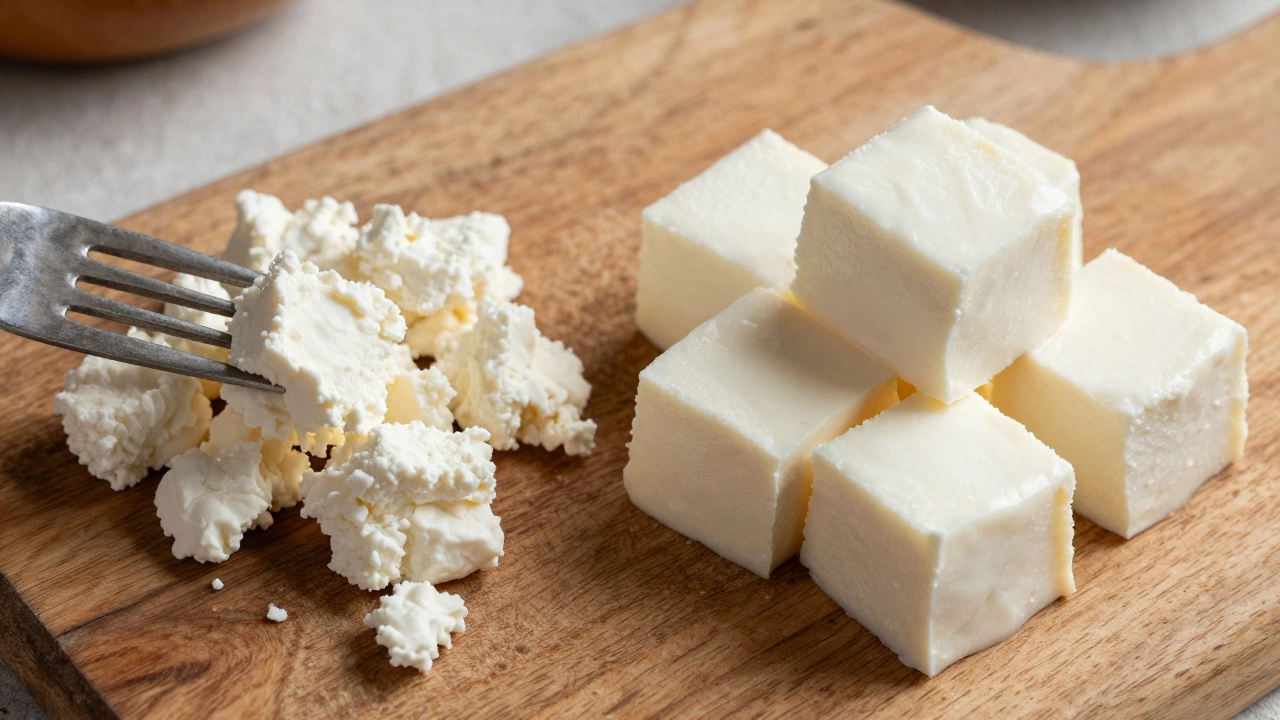
Common Mistakes That Ruin the Process
Even with the right technique, people mess up the soaking process. Here are the pitfalls I see most often:
- Soaking Too Long: Leaving paneer in water for more than 20 minutes can cause it to become overly soggy. It loses its structural integrity and may disintegrate when stirred. Stick to 10-15 minutes max.
- Using Salted Water: Never add salt to the soaking water. Salt draws moisture *out* of food through osmosis (which is why we salt cucumbers to pickle them). Adding salt here will dehydrate the cheese further, doing the exact opposite of what you want.
- Skipping the Pat-Dry Step: After soaking, you must drain and gently pat the cubes dry with a paper towel. If you drop wet paneer into a frying pan, it will steam instead of sauté, leading to a gray, boiled appearance rather than a golden sear.
Alternatives to Soaking
What if you forgot to soak the cheese and dinner needs to be on the table in ten minutes? Don’t panic. There are workarounds.
Freezing Method: Some chefs recommend freezing paneer cubes overnight and then dropping them directly into the simmering curry. Freezing expands the water content inside the cells, creating micro-cracks in the protein structure. When cooked, these cracks allow sauces to penetrate faster. While not as gentle as soaking, it improves texture significantly compared to straight-from-fridge usage.
Yogurt Marinade: Marinating raw paneer in plain yogurt (dahi) for 15 minutes adds acidity and fat. The lactic acid helps tenderize the surface slightly, while the fat coats the cheese, preventing it from drying out during cooking. This is particularly useful for tandoori-style preparations.
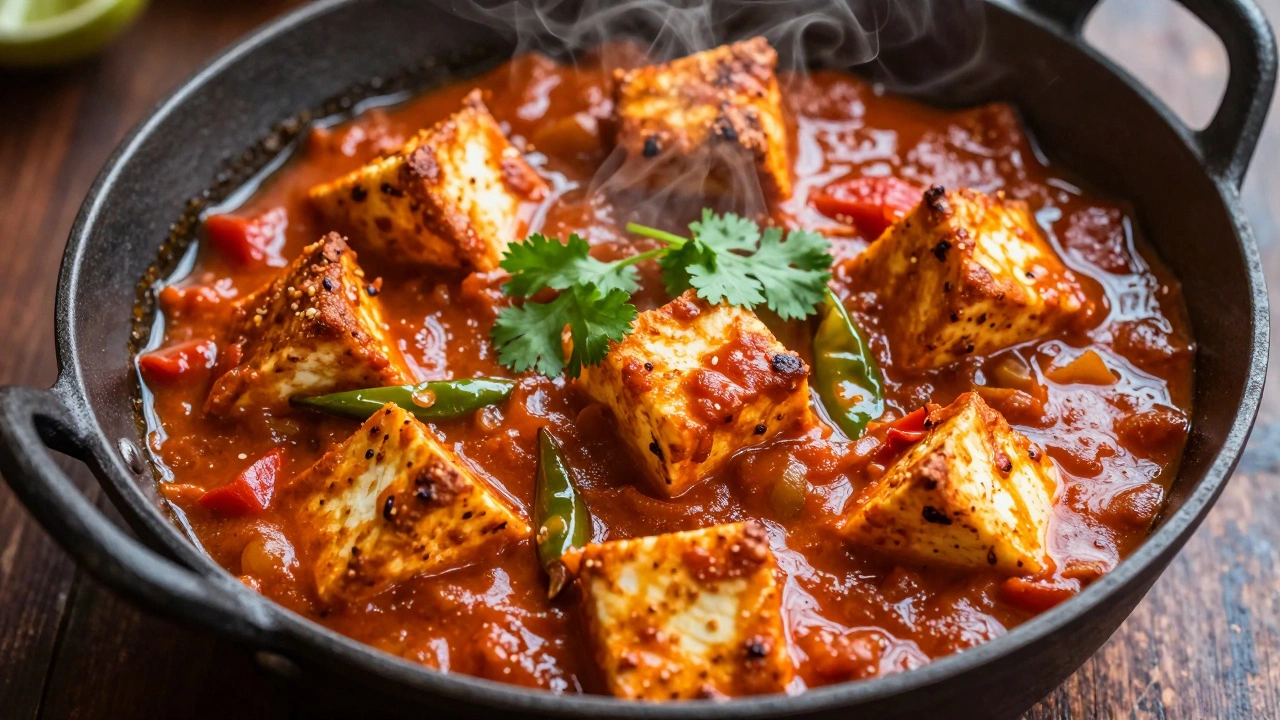
Which Dishes Need Soaking?
Not every dish requires this step. Context matters. If you are making Kadai Paneer, where the cheese is fried until crisp and then tossed in a spicy tomato gravy, soaking is essential. Without it, the fried layer becomes impenetrable armor against the sauce.
Conversely, if you are making Shahi Paneer, a rich, creamy Mughlai dish that simmers slowly, the prolonged cooking time in the buttery sauce naturally tenderizes the cheese. Pre-soaking is helpful but less critical here because the long cook time compensates for initial dryness.
For street food favorites like Chole Bhature accompaniments or skewers, always soak. These dishes rely on the cheese being juicy enough to balance heavy spices and fried breads.
Storage Tips for Freshness
Freshly made paneer is best used within 24 hours. As it sits in the refrigerator, it continues to lose moisture. To keep it soft until you’re ready to cook:
- Store it submerged in cold water in an airtight container.
- Change the water daily to prevent bacterial growth.
- Keep it in the coldest part of the fridge, but not touching the back wall where it might freeze.
This storage method keeps the cheese hydrated, meaning you might only need a brief 5-minute warm water rinse before cooking, rather than a full 15-minute soak.
Can I soak paneer in milk instead of water?
You can, but it is generally unnecessary. Milk contains lactose and fats that won't penetrate the dense protein structure of paneer effectively. Water is sufficient for rehydration. Using milk might make the soaking liquid cloudy and wasteful without providing significant textural benefits over plain water.
Does soaking affect the nutritional value of paneer?
No, soaking does not significantly reduce the protein or calcium content. Paneer is a stable protein matrix. While trace amounts of water-soluble vitamins might leach out, the impact on overall nutrition is negligible. The primary change is physical texture, not chemical composition.
Why is my store-bought paneer harder than homemade?
Store-bought paneer often contains preservatives or is pressed under higher weight to extend shelf life and maintain shape during transport. Homemade paneer is usually softer because it hasn't undergone industrial pressing. Soaking is especially crucial for commercial brands to counteract this extra density.
How long can I leave paneer in warm water?
Limit soaking time to 15 minutes maximum. Beyond this, the cheese begins to lose its structural integrity, becoming mushy and difficult to handle. It may also start to break apart when added to hot pans or curries.
Can I freeze soaked paneer?
It is better to freeze paneer before soaking. If you soak it first, the added water content will expand during freezing, potentially altering the texture upon thawing. Freeze dry cubes, then soak them after thawing for the best results.