Biryani Quality Diagnostic Tool
Answer the following questions about your last batch of Biryani to identify potential issues and receive expert fixes.
Diagnostic Results
Quality Score:
You bite into a plate of biryani, expecting an explosion of aromatic spices and fluffy rice. Instead, you get mushy grains, bland meat, or a confusing clash of flavors that leaves you wondering if you ordered the wrong dish. It’s frustrating when a meal hyped as "the king of Indian cuisine" tastes like mediocre fried rice with extra steps. The problem rarely lies in the chef's intent; it usually hides in specific technical errors during preparation. Whether you are cooking at home in Sydney or judging a restaurant plate, understanding why biryani fails is the fastest way to make it succeed.
The Rice Is Ruined Before Cooking Starts
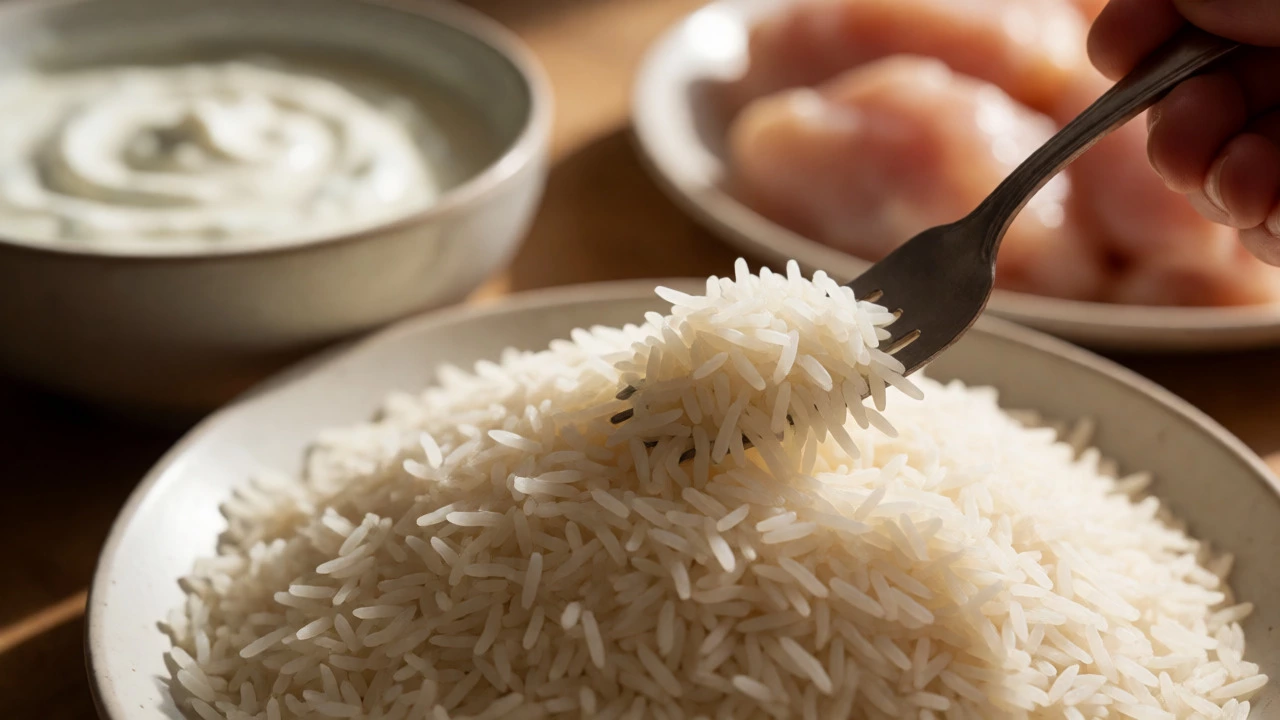
Most people think the secret to good biryani is the spice mix. Wrong. The foundation is the rice. If your basmati rice turns out sticky or broken, no amount of saffron will save it. The biggest culprit? Skipping the soak. Basmati rice needs at least 30 minutes in water before boiling. This allows the grains to absorb moisture evenly, preventing them from cracking open during the high-heat cook.
Another frequent error is overcooking the rice. In a proper dum biryani, the rice finishes cooking inside the sealed pot with the steam from the meat. If you boil the rice until it is fully soft on the stove, it will turn into glue once it sits with the gravy. Aim for 70% cooked-grains should be firm to the bite, with a slight white core visible when crushed. This residual heat does the rest.
Marination Shortcuts Kill Flavor Depth
If your chicken or mutton tastes like boiled meat rather than flavorful protein, you likely rushed the marination. Yogurt-based marinades aren't just for taste; they tenderize. The lactic acid breaks down tough muscle fibers. But this process takes time. A 15-minute marination does almost nothing. You need a minimum of two hours, ideally overnight, for the spices to penetrate deep into the flesh.
Also, check your yogurt consistency. Using runny, low-fat yogurt creates a watery gravy that steams the rice too aggressively, leading to sogginess. Thick, full-fat curd clings to the meat, creating a barrier that keeps juices in while allowing spices to adhere to the surface.
The Masala Base Lacks Patience
Biryani masala isn't just thrown together; it’s built. Many home cooks add raw onions and tomatoes directly to the meat, resulting in a sharp, acidic flavor profile. Traditional methods require frying onions until they are deeply caramelized-dark brown, not just golden. This step, known as birista, adds sweetness and complexity that balances the heat of green chilies and ginger-garlic paste.
Spices also need blooming. Adding powdered garam masala directly to wet ingredients can leave a dusty, raw taste. Toast whole spices like cardamom, cloves, and cinnamon in oil first. Or, bloom ground spices in hot oil for 30 seconds before adding liquids. This releases essential oils, transforming flat powder into vibrant aroma.
| Problem | Cause | Solution |
|---|---|---|
| Mushy Rice | Overcooked rice or excess liquid | Cook rice to 70%; drain well; use less water in gravy |
| Bland Meat | Short marination or weak spices | Marinate 4+ hours; use fresh ground spices; salt adequately |
| Burnt Bottom | Heat too high during Dum | Use low flame; place tawa (flat pan) under pot; seal tightly |
| Lack of Aroma | Stale spices or missing Kewra/Rose water | Buy fresh spices; add floral waters only at final stage |
Dum Cooking Done Wrong
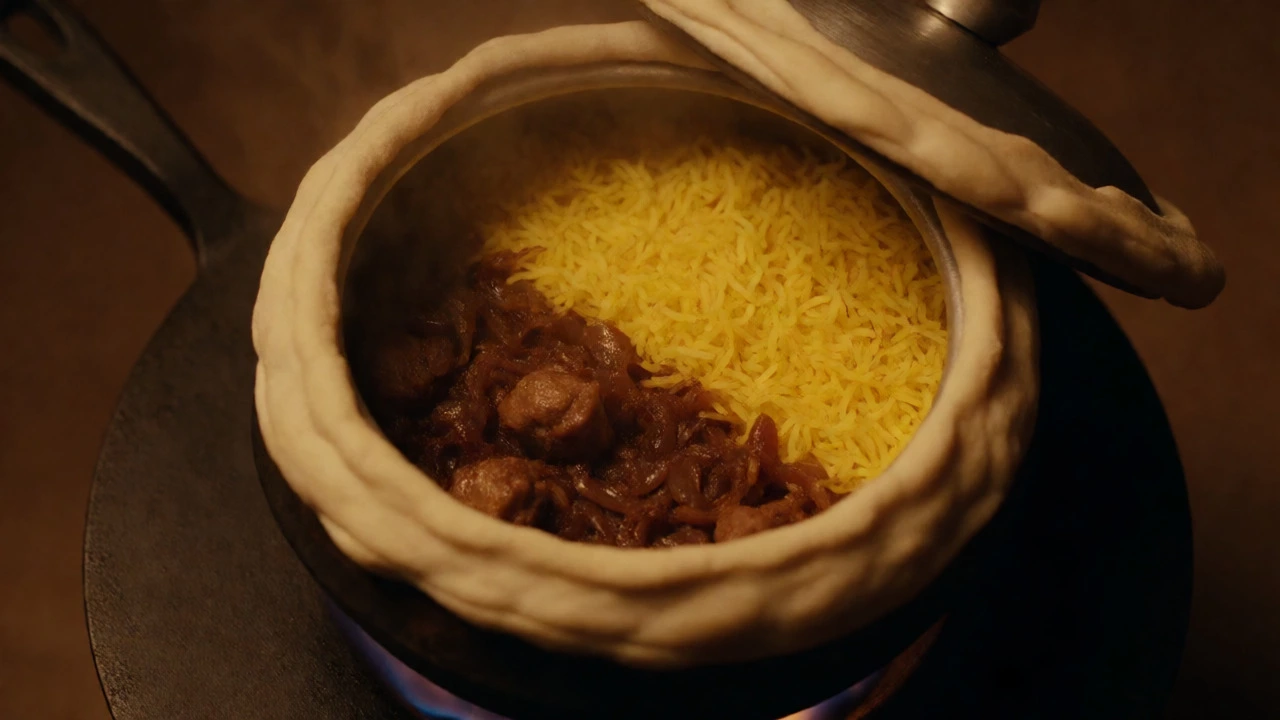
The word "Dum" refers to slow-cooking in a sealed container. It’s where the magic happens-the steam circulates, infusing the rice with meat juices and aromatics. But sealing isn't enough. If your lid doesn't fit tight, steam escapes, drying out the top layer while burning the bottom. Use dough to seal the edges of the pot if you don't have a heavy-lidded Dutch oven.
Heat management is critical here. Once you layer the rice and meat, switch to the lowest possible flame. High heat burns the milk-soaked saffron and scorches the onion layer at the bottom before the center heats up. In Australia, many electric stoves run hotter than traditional gas burners. Consider placing a cast-iron skillet between the burner and your biryani pot to diffuse the heat evenly.
Missing the Finishing Touches
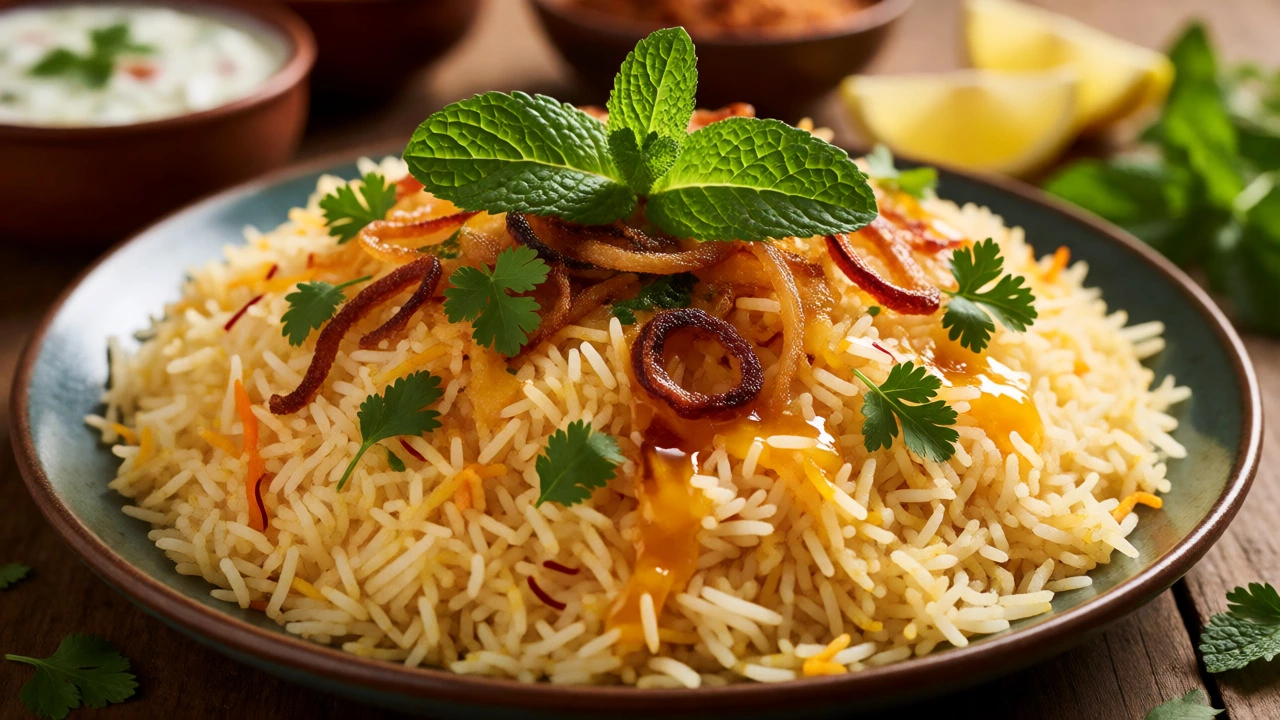
Sometimes the dish is technically perfect but lacks that "wow" factor. That’s often because finishing elements were added too early. Fresh coriander, mint, fried onions, and ghee should go on after the dum is complete. Adding herbs during the long cook makes them blacken and lose their bright, fresh scent.
Ghee is another non-negotiable. Drizzling clarified butter over the layers before sealing adds richness and helps separate the grains. If you’re watching calories, skip the ghee, but expect a drier texture. For authentic Hyderabadi style, the ghee quantity might surprise you-it’s part of the identity.
Regional Variations Confuse Expectations
Not all biryanis are created equal. If you expect spicy, oily Hyderabadi biryani but get mild, dry Sindhi biryani, you’ll think the latter is "not tasty." Know what you’re eating. Kolkata biryani includes potatoes and eggs, offering a different textural experience. Lucknowi Awadhi biryani uses fewer spices and more subtle aromas. Judging one against the other leads to unfair criticism.
Check the color too. Artificial yellow coloring often signals poor quality saffron usage. Real saffron gives a pale orange hue and distinct metallic-floral note. If your biryani looks neon yellow, it’s likely using cheap turmeric or food dye, which can taste bitter or chemical-like.
Troubleshooting Guide
If you’ve already made a mistake, don’t panic. Here’s how to salvage common issues:
- Rice is sticky: Spread it on a tray and let it cool. Fluff gently with a fork. Serve immediately; reheating makes it worse.
- Meat is tough: Add a splash of water and continue dum cooking for another 15 minutes. Pressure cooker users can use short bursts of pressure.
- Tastes flat: Squeeze lemon juice over individual plates. Acid brightens dull flavors instantly.
- Too spicy: Serve with cooling raita (yogurt sauce). Do not add sugar unless it’s a specific regional variant.
Frequently Asked Questions
Why is my biryani rice sticky?
Sticky rice usually results from using the wrong type of rice (like long-grain jasmine instead of basmati), failing to rinse the starch off before soaking, or overcooking the rice on the stove. Always par-boil basmati to 70% doneness and drain thoroughly before layering.
How long should I marinate chicken for biryani?
For best results, marinate chicken for at least 4 hours, preferably overnight in the refrigerator. This allows the yogurt and spices to tenderize the meat and penetrate deep into the fibers, ensuring every bite is flavorful.
Can I make biryani without saffron?
Yes, but you will miss the signature aroma. Turmeric provides color but lacks the complex floral notes of saffron. If budget is a concern, use a pinch of food-grade saffron dissolved in warm milk for the final drizzle, even if you use turmeric in the base gravy.
Why does my biryani taste burnt?
Burnt flavor comes from excessive heat during the 'dum' phase. The bottom layer of onions and meat chars before the steam cooks the upper layers. Always use the lowest flame setting and consider placing a heavy metal sheet (tawa) under the pot to distribute heat evenly.
Is biryani supposed to be dry or wet?
It depends on the style. Hyderabadi biryani is typically moist and rich with gravy. Lucknowi and Kolkata styles are drier, with separated grains. If your biryani is soupy, you used too much water in the gravy or didn't reduce it enough before adding the rice.