Indian Culture: Food, Traditions, and Daily Rituals That Define a Nation
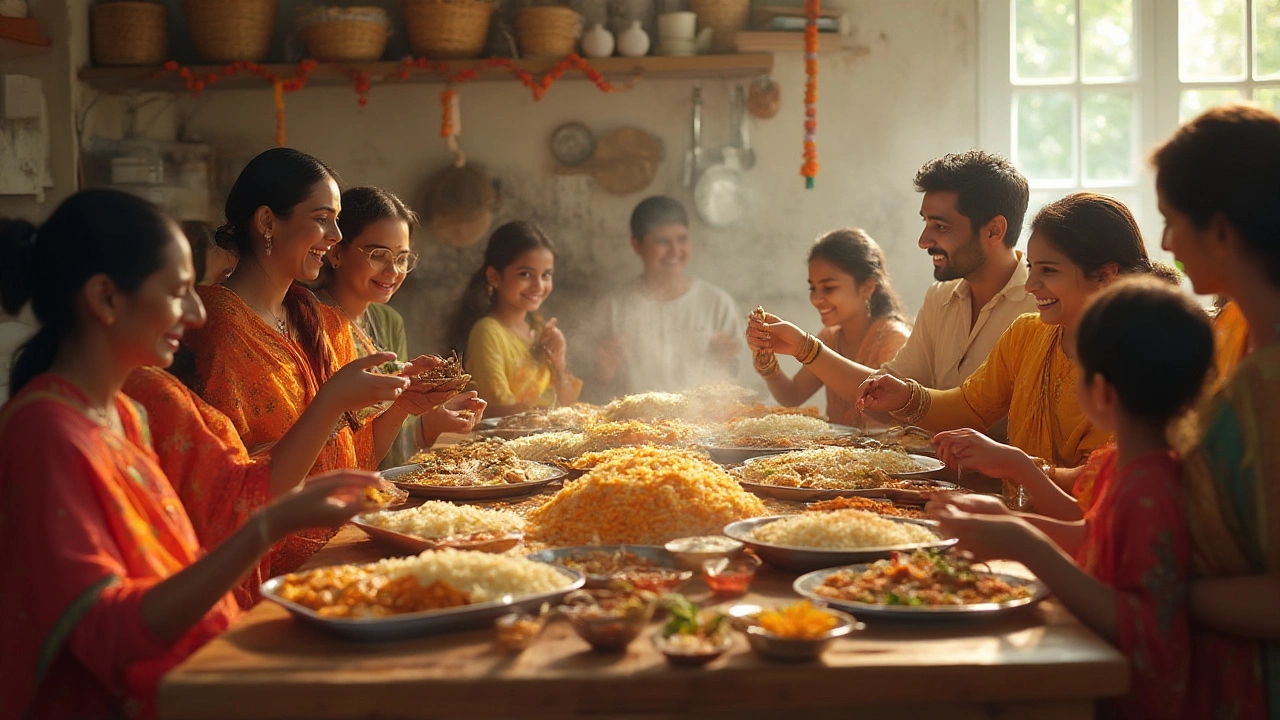
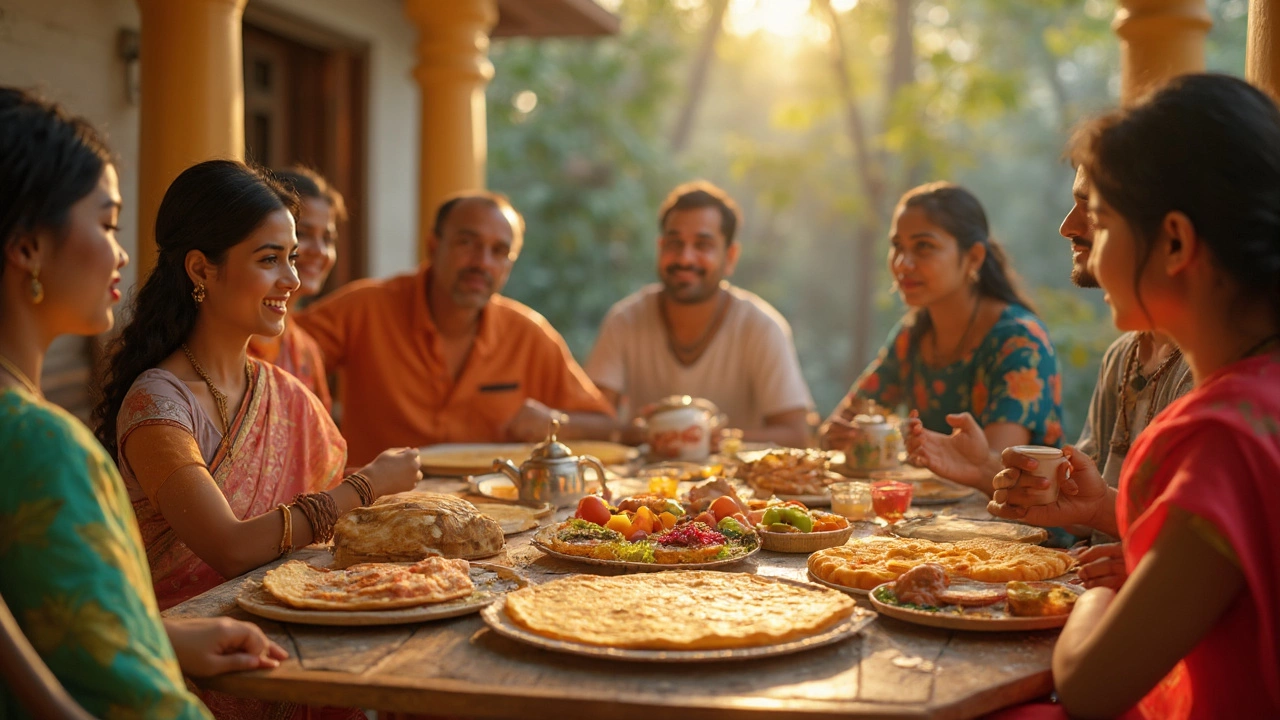
When you think of Indian culture, the lived experience of traditions, food, language, and daily rituals across India's diverse regions. Also known as Hindustani culture, it's not just festivals or clothing—it's what happens in the kitchen before sunrise, on street corners at noon, and around family tables at dinner. Food isn’t just fuel here. It’s history, identity, and connection. You can’t understand Indian culture without understanding what’s on the plate—and why.
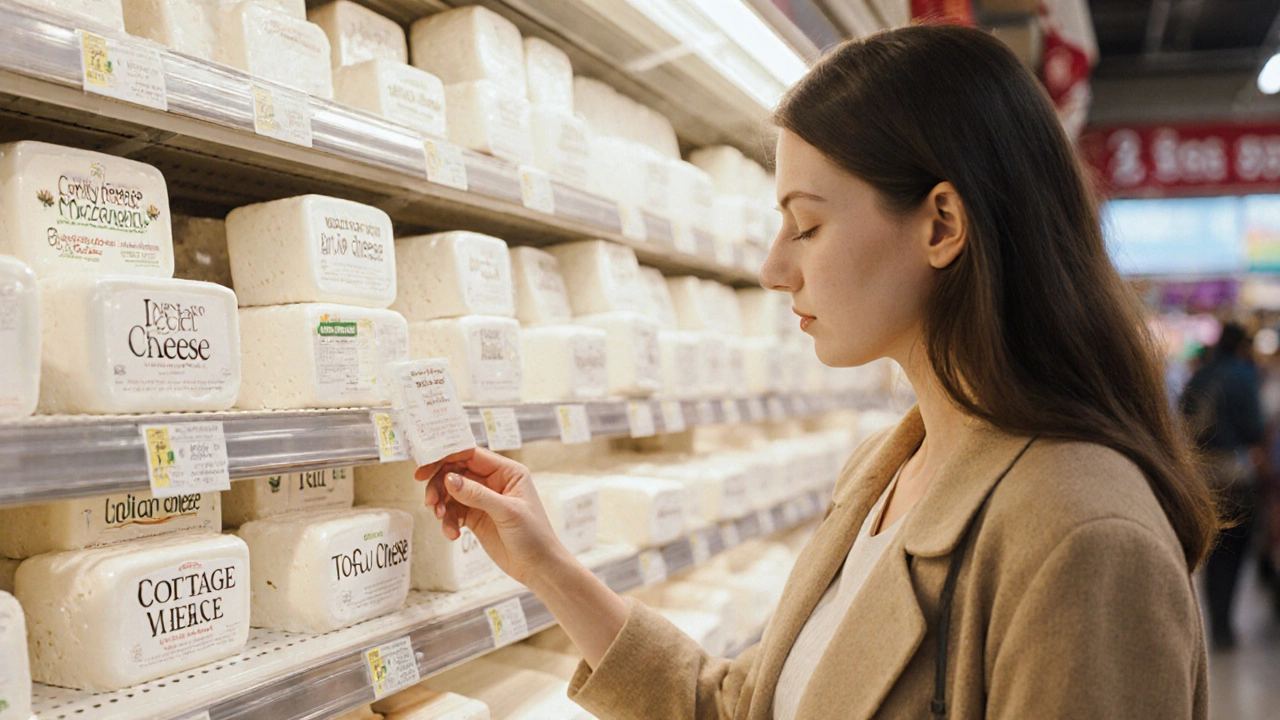
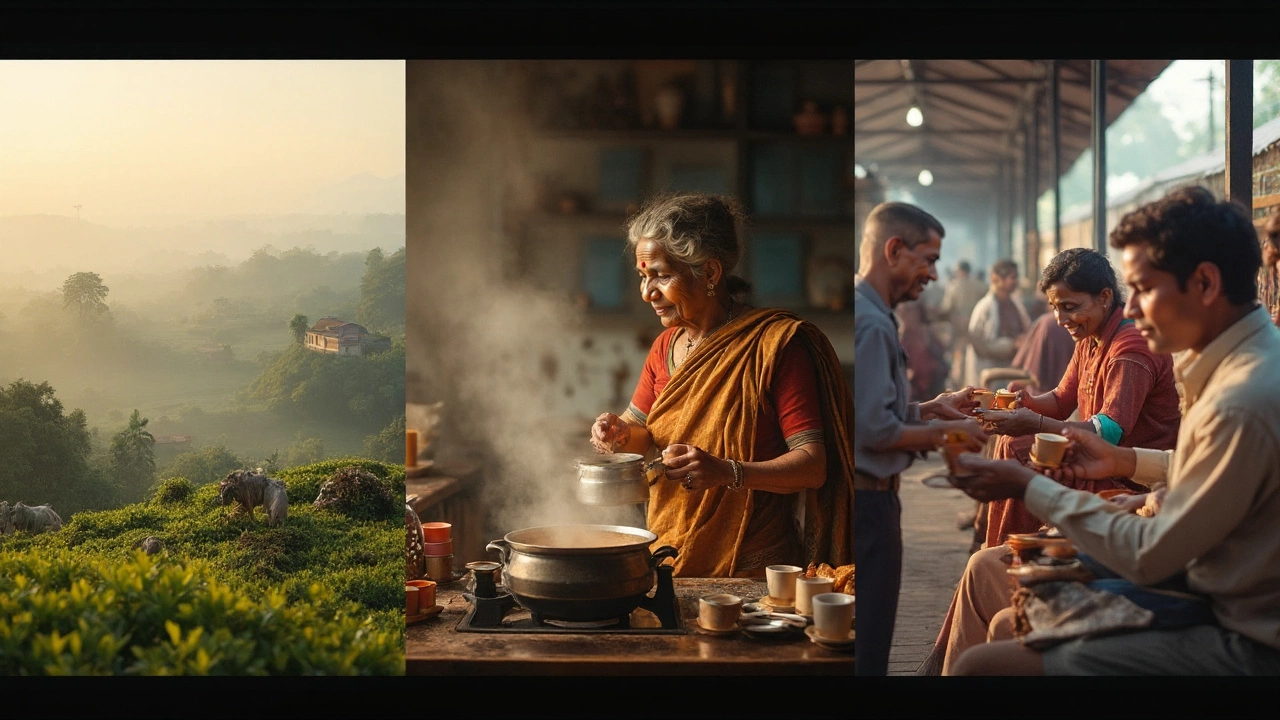
Take chai, the spiced milk tea that’s more than a drink—it’s a social ritual, a pause in the day, and a shared moment across cities and villages. It’s not just tea with milk. It’s Assam leaves boiled with cardamom, ginger, and sugar, poured from a height to cool it down, served in small glasses or cups to strangers and neighbors alike. This isn’t a trend. It’s been happening for over a century. And it’s not just in homes—it’s on train platforms, outside schools, and in roadside stalls where people line up for a warm sip. Then there’s paneer, a fresh, unaged cheese made by curdling milk with lemon or vinegar, central to North Indian cooking and misunderstood abroad as just "Indian cheese". Foreigners call it many things—cottage cheese, farmer’s cheese—but none of those names capture how it’s used: fried in spicy gravies, stuffed in parathas, or tossed into sweet desserts. It’s not a substitute. It’s a staple.
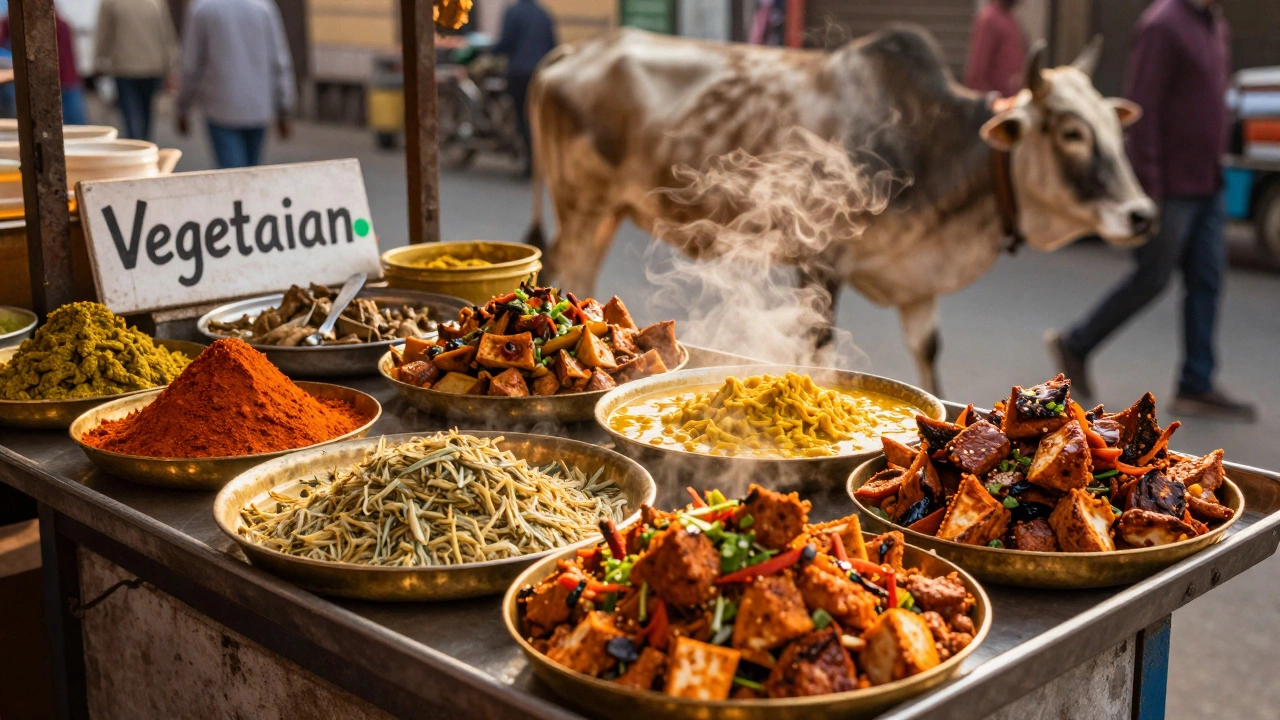
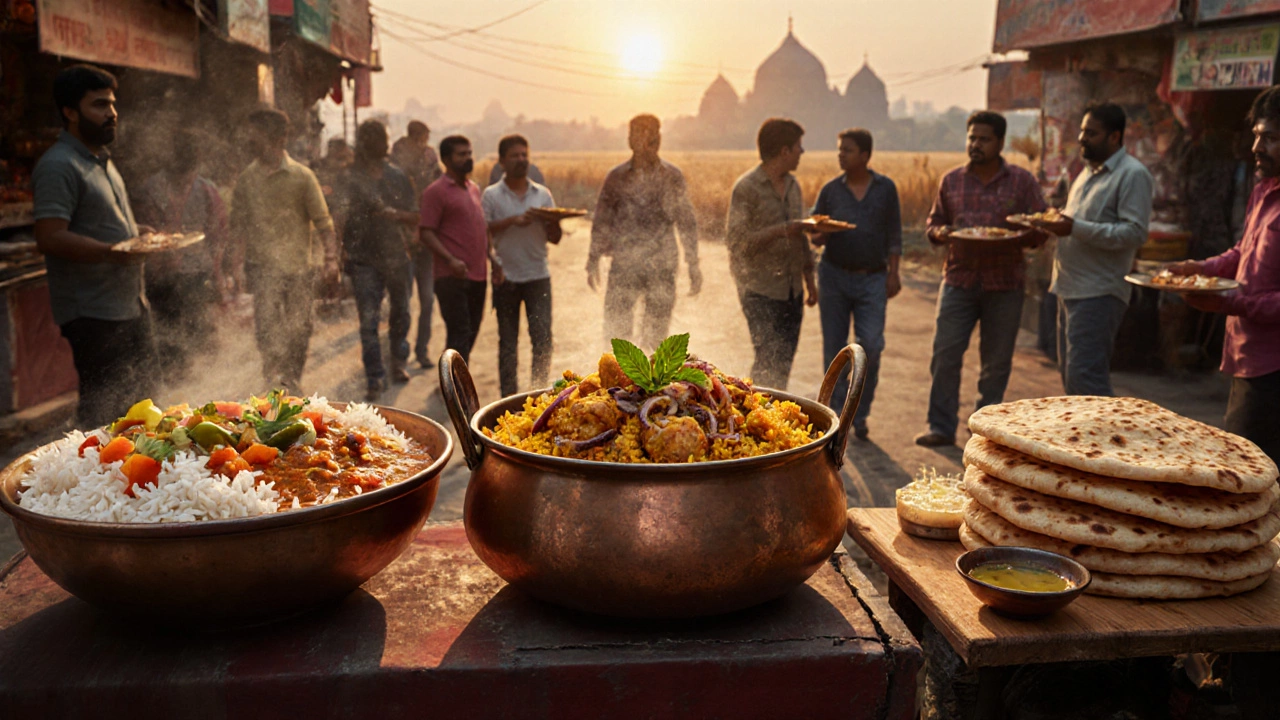
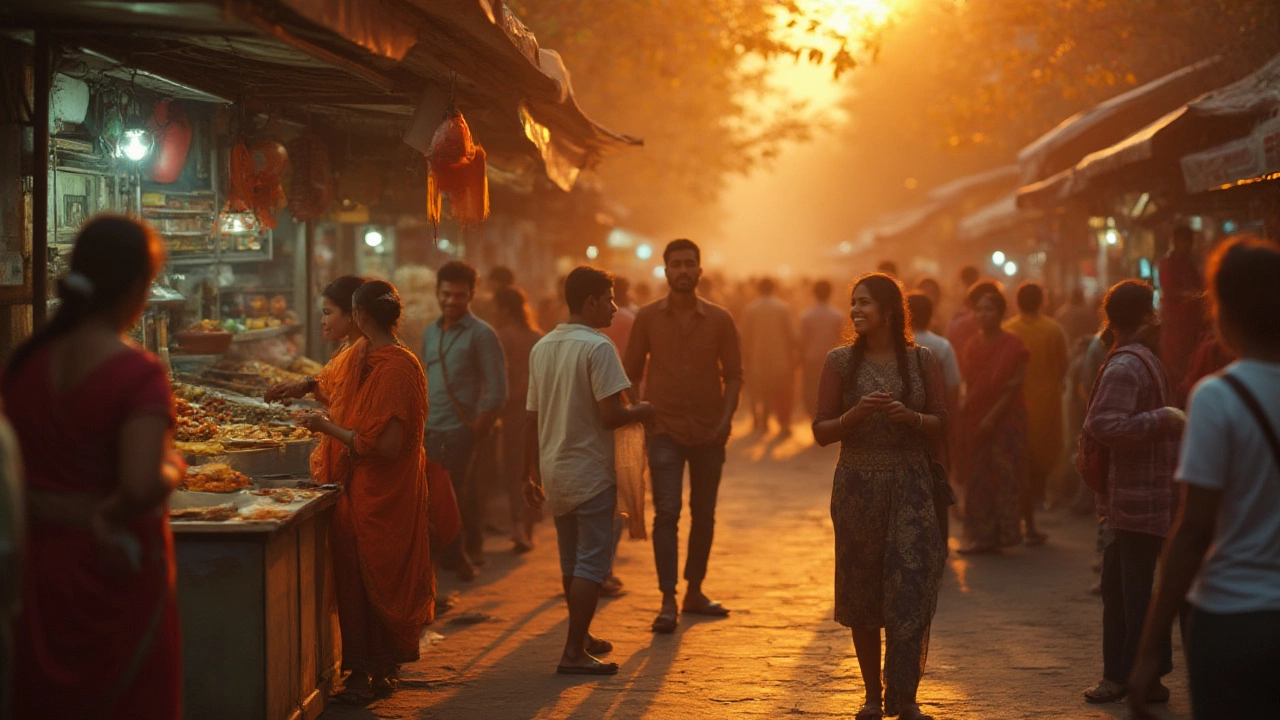
And what about the idea of a national dish, a single food that represents the whole country. Also known as India’s official cuisine, it doesn’t exist—and that’s the point. Biryani? Dal bhat? Roti with chutney? Each region has its own claim. South India eats rice and sambar. Punjab lives on makki di roti and sarson ka saag. Bengal starts the day with doi-bhaat. No one dish unites India because the country doesn’t want to be reduced to one. That’s the beauty of it. Indian culture thrives on diversity. It’s in how a family in Kerala eats with their hands, how a street vendor in Delhi serves pani puri with a wink, how a grandmother in Gujarat teaches her granddaughter to grind spices fresh every morning. These aren’t recipes. They’re inheritance.
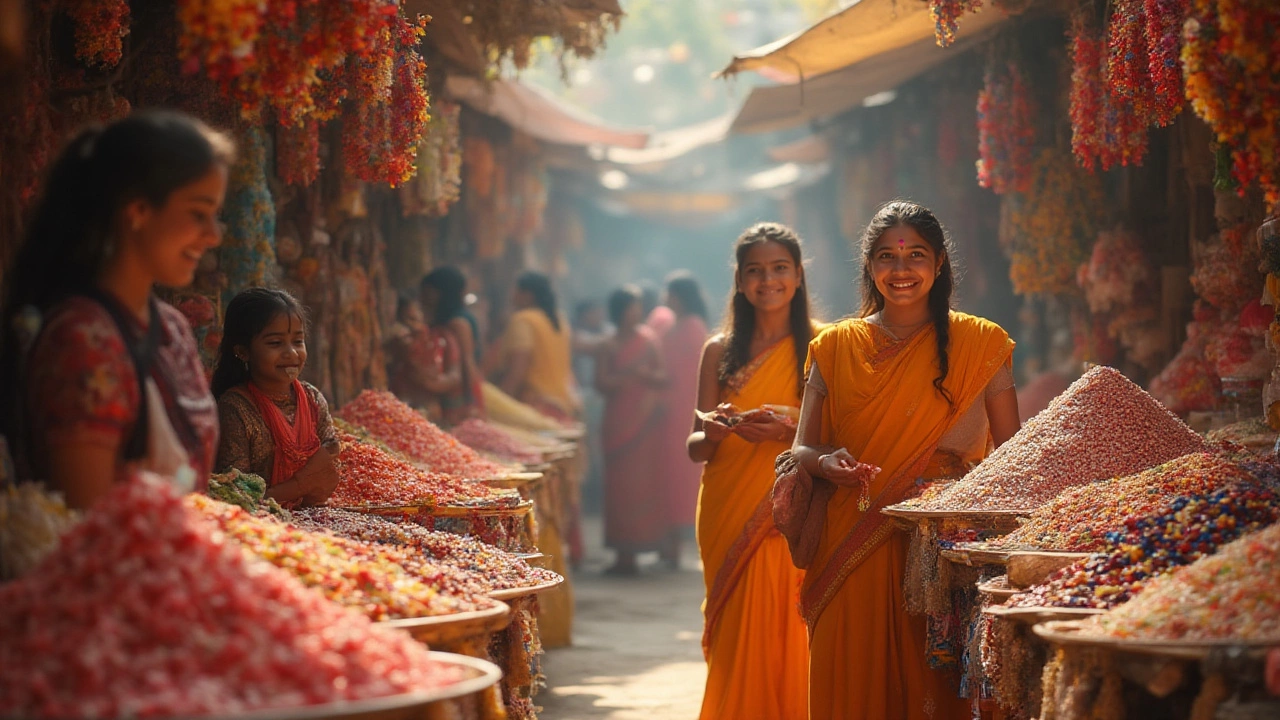
Even sugar habits tell a story. India loves sweets—but the real sugar overload isn’t from jalebis. It’s in the tea, the packaged snacks, the bottled juices. Meanwhile, some countries eat almost no sugar at all. Why? Because culture shapes what you crave, and how you eat. It’s not about willpower. It’s about what’s always been there. And that’s why you can’t copy Indian food without understanding the culture behind it.
What you’ll find below isn’t just a list of articles. It’s a window into how people live, eat, and connect across India. From what Americans should try on their first trip to why "Tata" means more than just a brand, these stories show you the real India—not the postcard version, but the one that wakes up at 5 a.m. to make chai, the one that debates biryani vs. pulao over lunch, the one that still calls paneer by its name, no translation needed.