Chicken Curry: How to Make It Tender, Flavorful, and Truly Indian
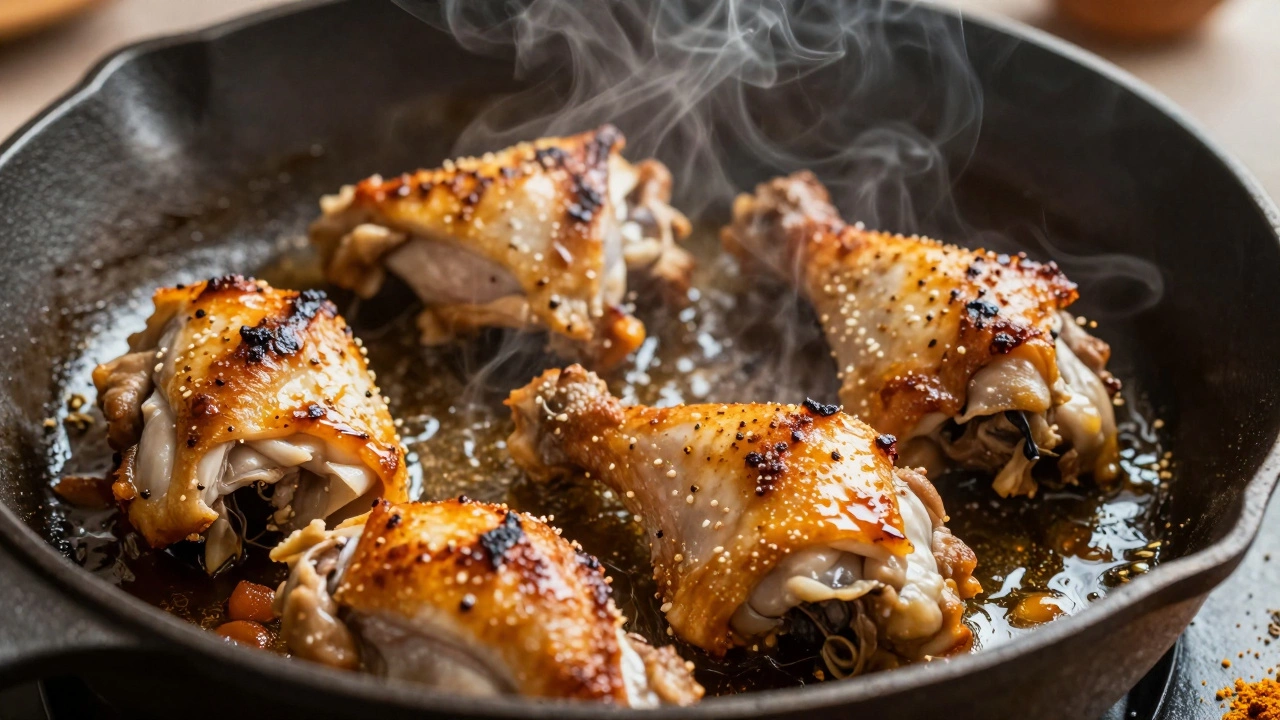
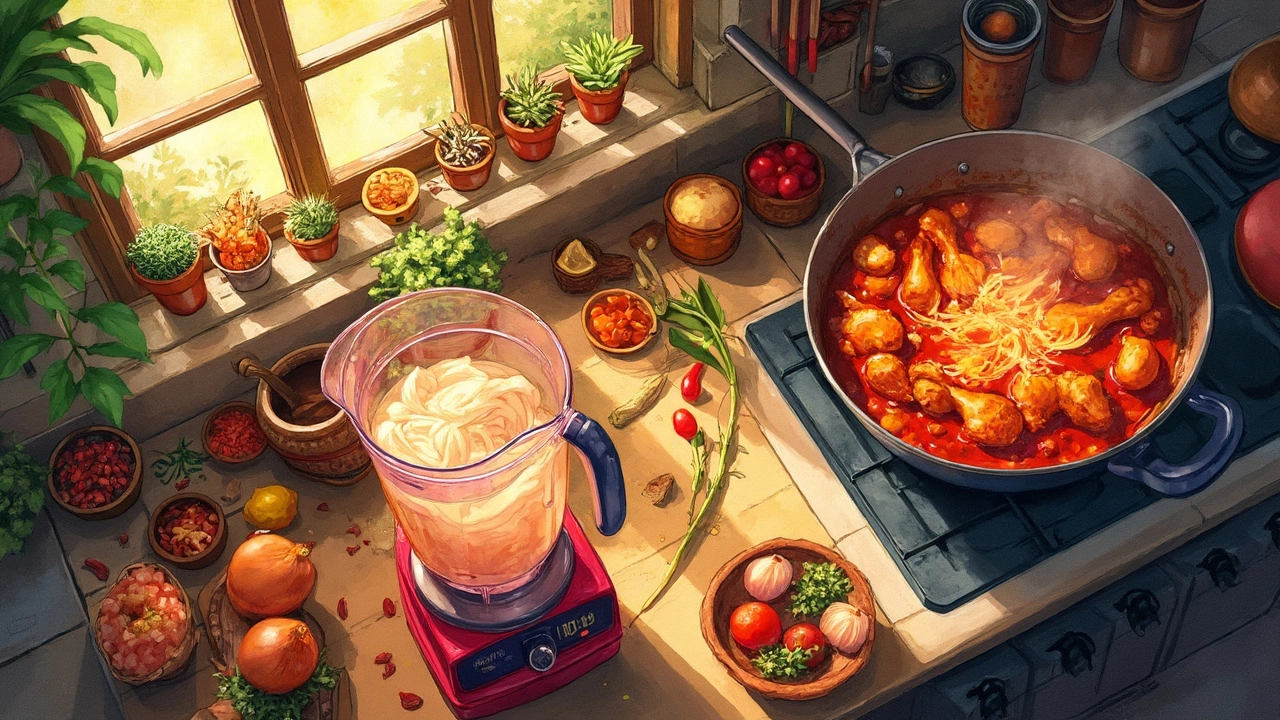
When you think of chicken curry, a rich, spiced Indian dish made with tender chicken, onions, tomatoes, and a blend of toasted spices. It's not just one recipe—it's a family of dishes that vary from village to village across India. Also known as chicken masala, it's the kind of meal that fills a house with smell and leaves everyone asking for seconds. What sets it apart from other curries isn’t the chicken—it’s the way the spices bloom in oil, how the onions soften into a base, and how long it simmers. Too fast, and it’s bland. Too long, and the chicken turns rubbery. The magic happens in that sweet spot between 20 and 40 minutes, when the sauce thickens just enough to cling to the meat.
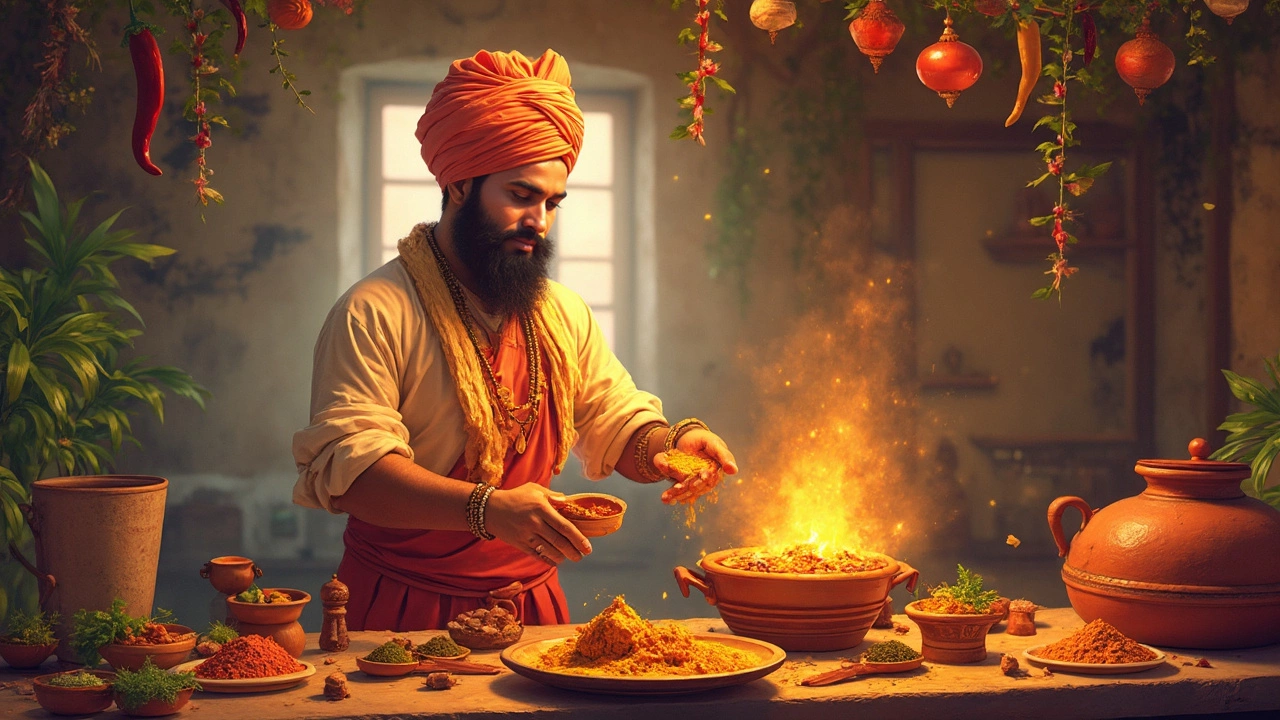
curry spices, a mix of cumin, coriander, turmeric, garam masala, and dried chilies. It's not a single powder—it’s a layered build. Toasting whole spices before grinding them makes a huge difference. So does using fresh garlic and ginger, not paste. And don’t skip the bay leaves or cinnamon sticks—they’re not garnish, they’re flavor anchors. The simmer chicken curry, the process of gently cooking chicken in spiced liquid until it falls off the bone. It’s not boiling. It’s barely bubbling. That’s how you get tender meat instead of chewy rubber. Store-bought curry pastes? They’re convenient, but they lack depth. Real flavor comes from slow cooking, not shortcuts.
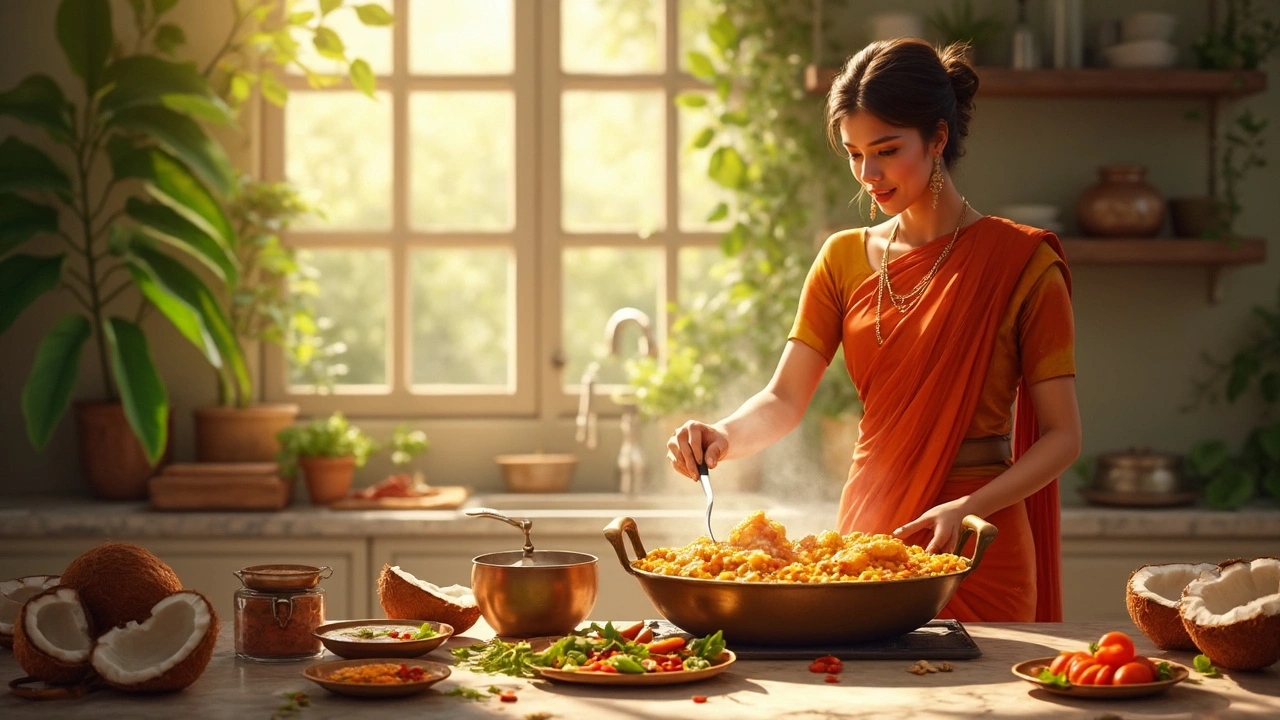
Some regions use coconut milk. Others use yogurt. Some add cashew paste for creaminess. But the core stays the same: spices first, then aromatics, then liquid, then chicken. And never add salt until the end—it pulls moisture out too early and toughens the meat. The best chicken curry doesn’t need cream or heavy sauces. It just needs time, patience, and a well-toasted spice blend.
You’ll find posts here that break down exactly how long to simmer, what happens if you rush it, and why some recipes call for browning the chicken first while others don’t. There are tips on fixing watery curry, how to use leftover spices, and why restaurant versions often taste different from home-cooked ones. This isn’t about following a rigid recipe. It’s about understanding the rhythm of Indian cooking—when to stir, when to wait, when to let the oil separate. That’s what turns chicken curry from a meal into something you remember.