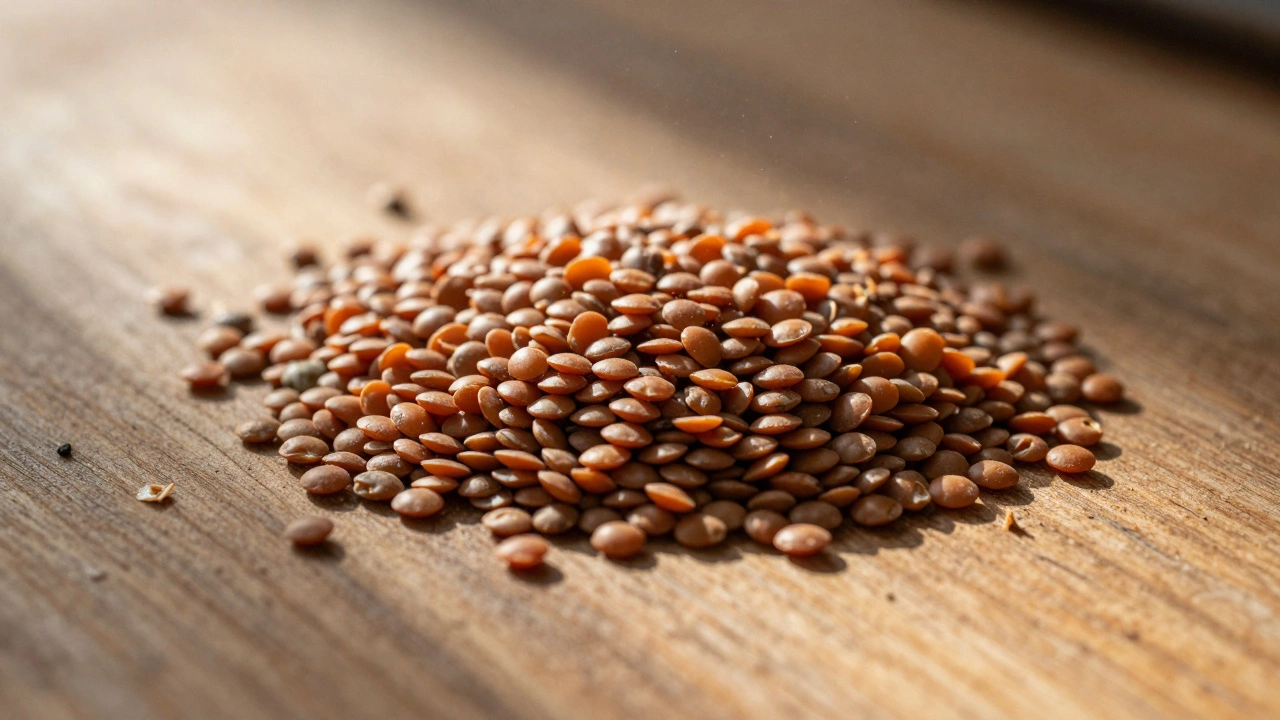
Clean Dal: Simple, Healthy Lentil Recipes for Everyday Meals
When we talk about clean dal, a simple, minimally processed lentil dish made with just dal, water, salt, and basic spices. Also known as plain dal, it’s the foundation of countless Indian meals—no cream, no heavy spices, no fried garnishes. Just pure, digestible protein that keeps you full without weighing you down. This isn’t fancy cooking. It’s smart cooking. And it’s what your body actually needs on busy days, after a heavy meal, or when digestion feels sluggish.
Moong dal, a yellow lentil that cooks fast and is gentle on the stomach, is often the go-to for clean dal. But toor dal, a split pigeon pea with earthy depth, and masoor dal, a red lentil that breaks down into creamy goodness work just as well. The key isn’t the type—it’s the approach. No soaking? You’ll end up with hard dal and bloating. Too much oil in the tempering? You’re defeating the purpose. The right water-to-dal ratio, a gentle simmer, and skipping the ghee-heavy tadka are what turn dal from a chore into a comfort.
People think clean dal is boring. It’s not. It’s the blank canvas. Add a squeeze of lemon, a pinch of cumin, or a handful of chopped spinach and it becomes something new. It’s the dish you eat when you’re sick, when you’re fasting, or when you just want to reset. And it’s the base for so many of the recipes you’ll find here—like how to avoid gas from dal, why covering the pot matters, or which dal gives you the most protein. You’ll see real tips from real cooks: how to fix watery dal, how to make it creamy without cream, and why store-bought dal masala often hides sugar and additives you don’t need.
There’s a reason clean dal shows up in so many of these posts. It’s not just food. It’s medicine. It’s fuel. It’s the quiet hero of Indian kitchens. Below, you’ll find the best ways to make it, fix it, and eat it—without the fluff, without the fuss, and without the guilt.