Curdled Milk Cheese: What It Is, How It's Made, and Why It Matters in Indian Kitchens
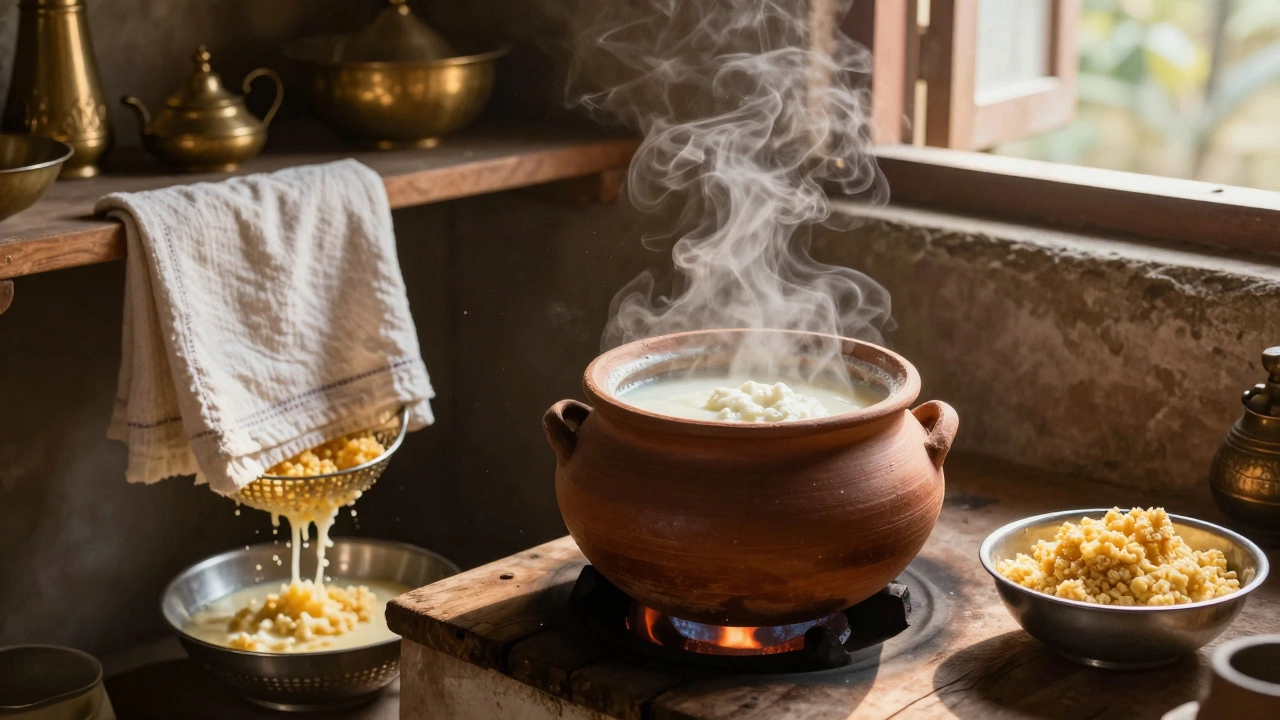
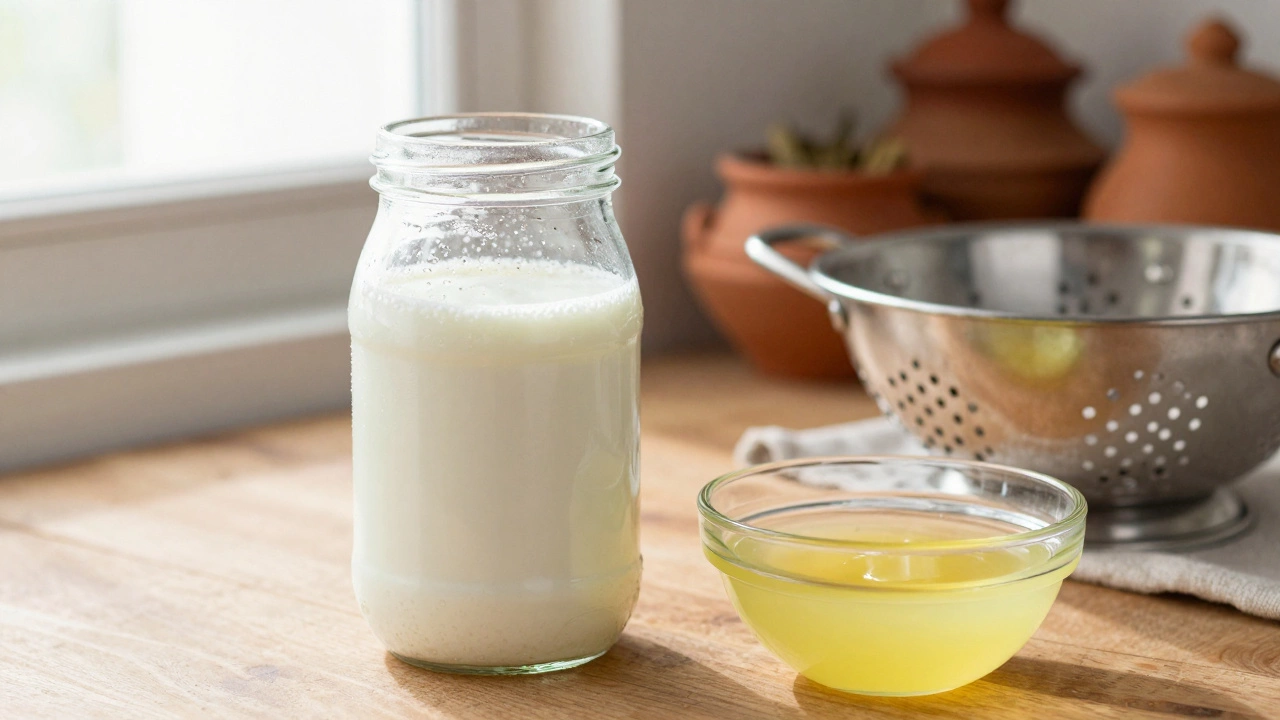
When you think of curdled milk cheese, a fresh, non-melting cheese made by acidifying milk and pressing out the whey. Also known as paneer, it's the backbone of countless Indian dishes—from creamy palak paneer to spicy paneer tikka. Unlike aged cheeses, it’s made in hours, not weeks, and doesn’t need cultures or rennet—just heat, acid, and patience. This isn’t some exotic import. It’s the kind of thing your grandmother made on a Tuesday night with leftover milk and a squeeze of lemon.
What makes curdled milk cheese so useful? It holds its shape when fried or grilled, so it doesn’t melt like mozzarella. It soaks up spices like a sponge, which is why it’s perfect for curries, stir-fries, and even street snacks. You’ll find it in homes across India, from Punjab to Kerala, because it’s cheap, fast, and doesn’t need refrigeration for a day or two. And if you’ve ever bought paneer from a store and found it rubbery or dry? That’s because commercial versions are often pressed too hard or made with low-fat milk. Homemade curdled milk cheese is softer, richer, and tastes like real food.
It’s not just about taste—it’s about control. When you make it yourself, you decide the milk quality, the acidity level, and how firm you want it. Want it soft for kheer? Use whole milk and gentle heat. Need it firm for grilling? Press it longer with a heavy weight. This flexibility is why it shows up in so many of the recipes here: from how to fix hard store-bought paneer to why soaking pulses matters (yes, even dairy and legumes share the same kitchen logic). You’ll also see how it connects to chutneys, spice blends, and even digestion—because what you eat with paneer matters as much as the cheese itself.
There’s no magic here. No fancy tools. Just milk, acid, a cloth, and a little time. And yet, it’s one of the most powerful ingredients in Indian cooking. It turns a simple meal into something satisfying. It’s the reason you can make a quick dinner with onions, tomatoes, and a block of this cheese—and still feel like you’ve eaten something real. The posts below dive into exactly that: how to make it right, how to use it, and why skipping it means missing out on one of the most practical, flavorful staples in the kitchen.