Curry: What It Really Is and How Indian Kitchens Make It Sing
When you think of curry, a spiced, saucy dish central to Indian home cooking, often built on a base of onions, tomatoes, and aromatic spices. Also known as curried dish, it’s not a single recipe—it’s a method, a rhythm, a way of layering flavor until everything hums together. In India, curry isn’t something you buy in a jar. It’s made fresh, every day, with whole spices toasted in oil, garlic and ginger crushed by hand, and tomatoes broken down slowly until they melt into the base. The word "curry" might’ve been coined by British colonists, but what it points to—deep, complex, layered sauces—is pure Indian kitchen wisdom.
What makes a good curry? It’s not just the spices. It’s chicken, often browned first to lock in juiciness and add color before simmering in the sauce. It’s the simmer time, usually 20 to 40 minutes, where the heat gently pulls flavor from spices into the meat or lentils. It’s knowing when to cover the pot and when to leave it open so the sauce thickens just right. A curry that’s watery? That’s not a curry—it’s a soup with spices. A curry that’s too thick? It’s dry. The balance is everything.
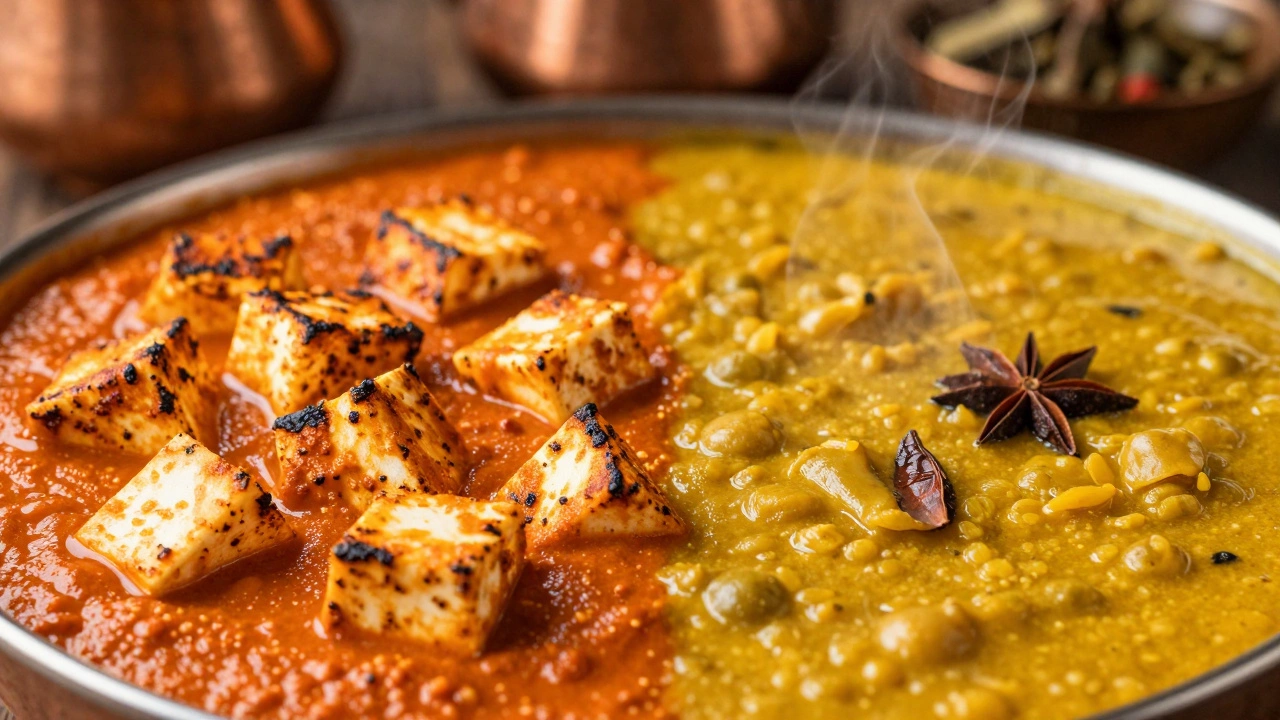
You’ll find curry in countless forms: creamy tikka masala with yogurt and cream, fiery coconut-based stews from the south, or simple dal curries where lentils are the star. It’s in the curry spices, a blend of cumin, coriander, turmeric, chili, and garam masala, mixed fresh or toasted whole. It’s in how you use chutney, a tangy, fresh condiment that cuts through richness and wakes up every bite. And it’s in the patience—no shortcuts that skip browning, simmering, or toasting. That’s where the soul lives.
Some think curry means heat. But the best curries aren’t about burning your tongue—they’re about building layers so deep, every spoonful reveals something new. A hint of cardamom. A whisper of fenugreek. The sweetness of caramelized onions. The earthiness of slow-cooked tomatoes. That’s what the posts here are built around: real techniques, real mistakes, real fixes. You’ll learn why you should brown chicken before adding it to curry, how long to simmer it for tender results, what spices actually make the difference, and why store-bought versions rarely get it right. No fluff. No guesses. Just what works, tested in kitchens from Delhi to Mumbai to your own stove.