Dal Recipe: Simple, Nutritious Lentil Dishes for Every Day
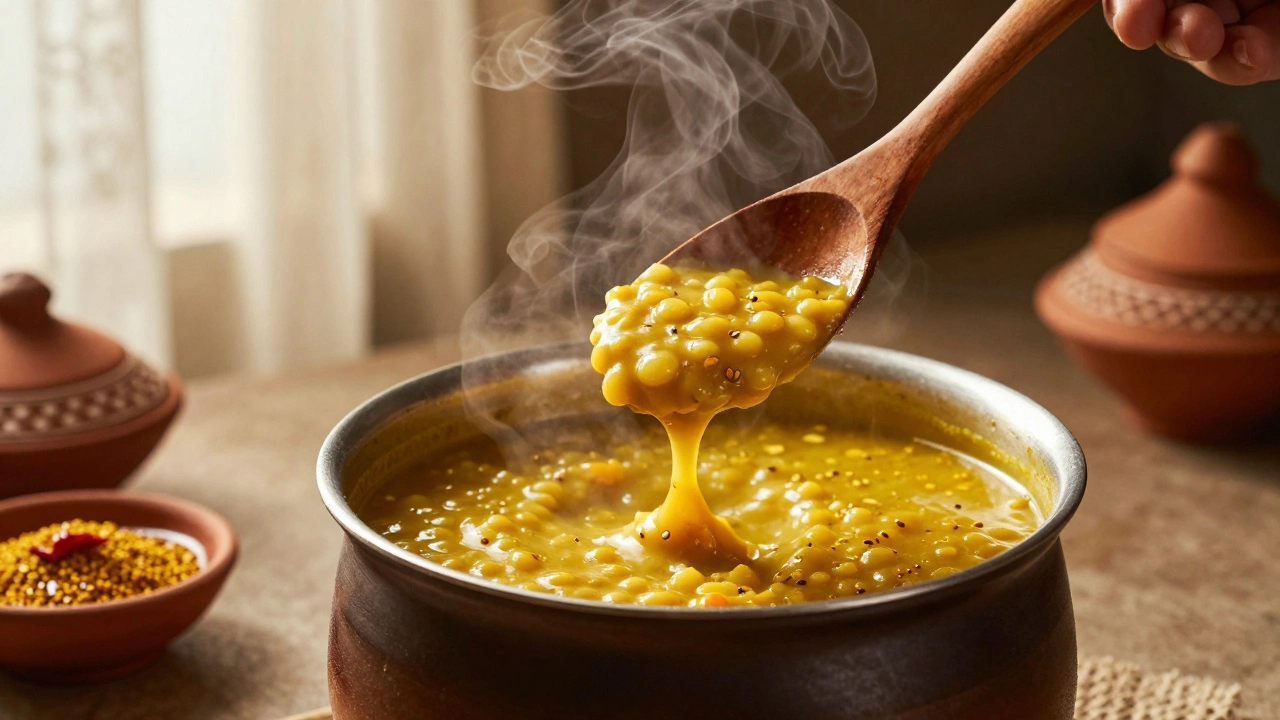
When you think of dal, a staple Indian dish made from cooked lentils or pulses, often served with rice or flatbread. Also known as lentil curry, it's one of the most common meals in Indian homes—not because it's fancy, but because it's reliable, cheap, and nourishing. A good dal recipe doesn't need fancy ingredients. Just lentils, water, a few spices, and time. But there’s more to it than boiling beans. The difference between a bland dal and a rich one comes down to soaking, tempering, and knowing which type of lentil you’re using.
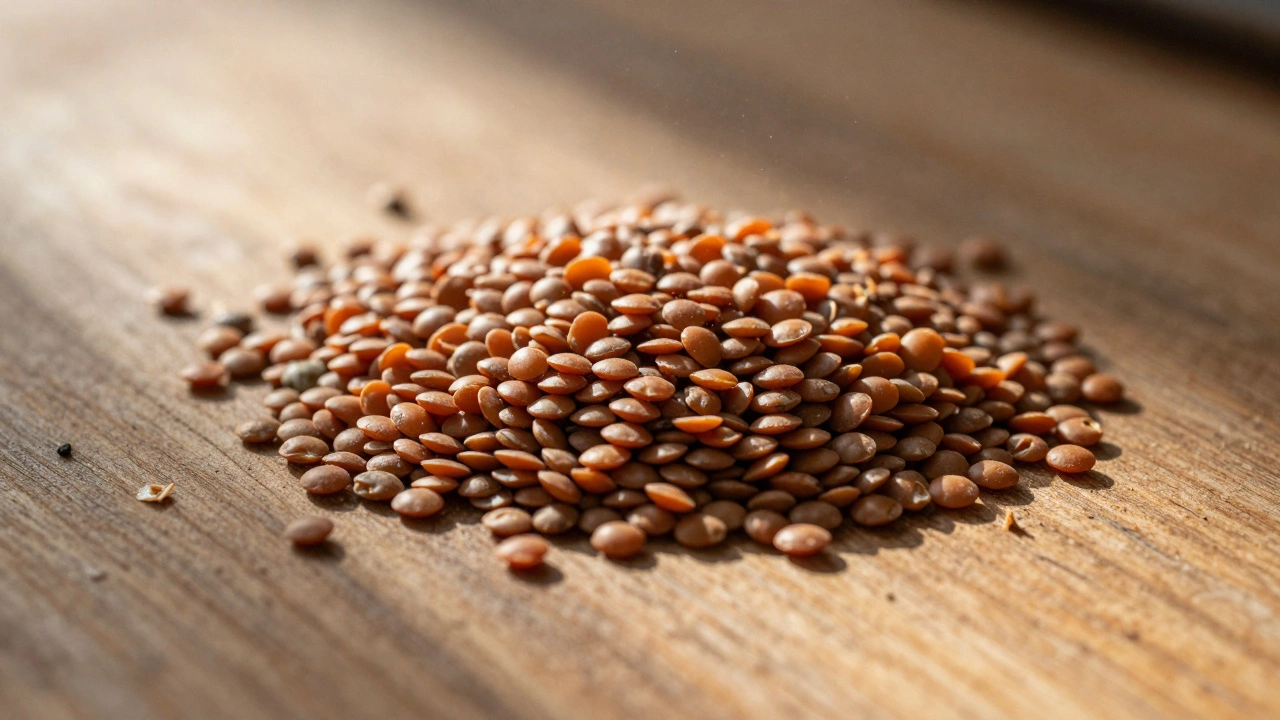
Not all dals are the same. toor dal, a yellow split pigeon pea, the most common base for everyday dal cooks fast and has a mild earthiness. masoor dal, red lentils that break down easily, perfect for creamy textures is great for kids and quick meals. chana dal, split chickpeas with a nutty bite takes longer but holds its shape, ideal for thicker curries. And then there’s urad dal, black lentils used in dosa batter and dal makhani—rich, creamy, and slow-cooked for depth. Each one behaves differently, and choosing the right one changes the whole dish.
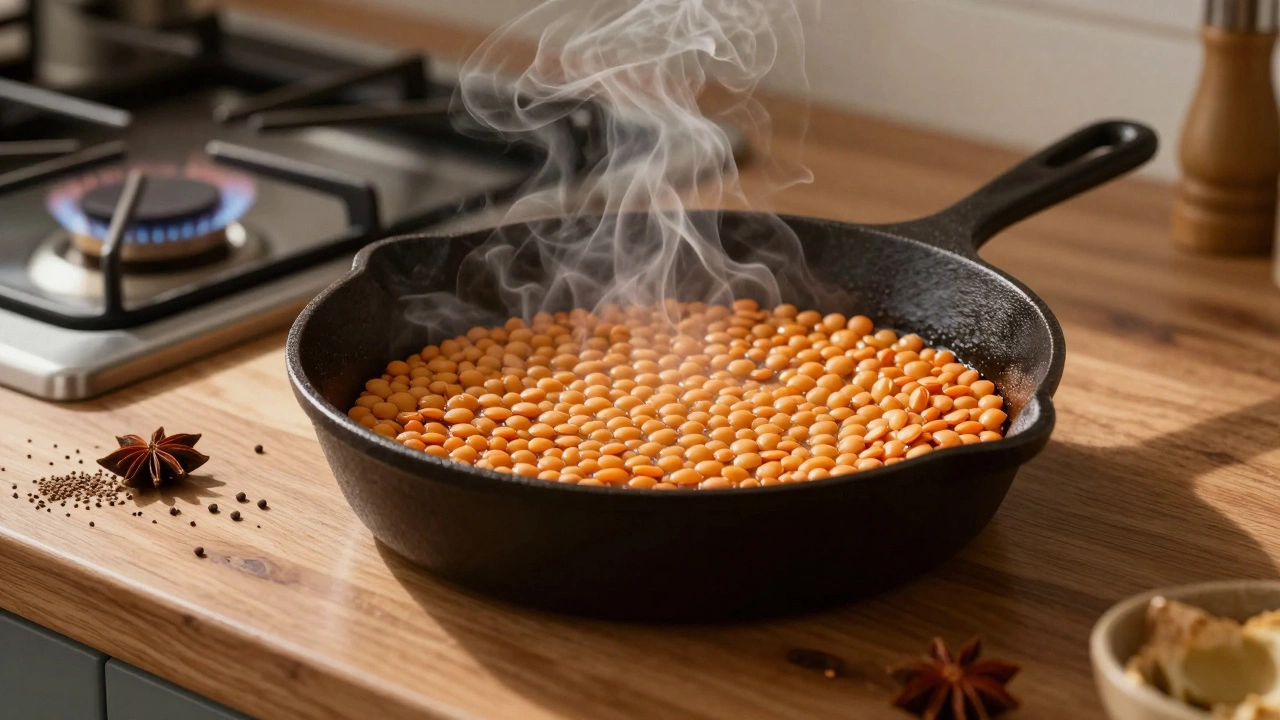
Why does your dal sometimes make you gassy? It’s not the lentil—it’s how you cook it. soak pulses, a simple step that reduces cooking time and improves digestibility. Skipping it means harder beans, longer cooking, and more bloating. Even a 30-minute soak helps. And if you’re still getting gas, try sprouting your lentils for a day before cooking. It’s a small change that makes a big difference. You don’t need to avoid dal at night—you just need to cook it right. The right dal recipe, with proper tempering of cumin, garlic, and dried chilies, turns a humble bowl into something comforting and healing.
What you’ll find here aren’t just recipes. You’ll see how to pick the healthiest dal, why store-bought lentils sometimes fail, how to fix gassy dal without giving it up, and why soaking isn’t optional. There are tips for busy mornings, fixes for hard-to-cook pulses, and why some dals are better than others for digestion. This isn’t about tradition for tradition’s sake—it’s about making dal work for your body, your time, and your taste.