Dosa Batter: How to Make the Perfect Crispy, Fluffy Batter at Home
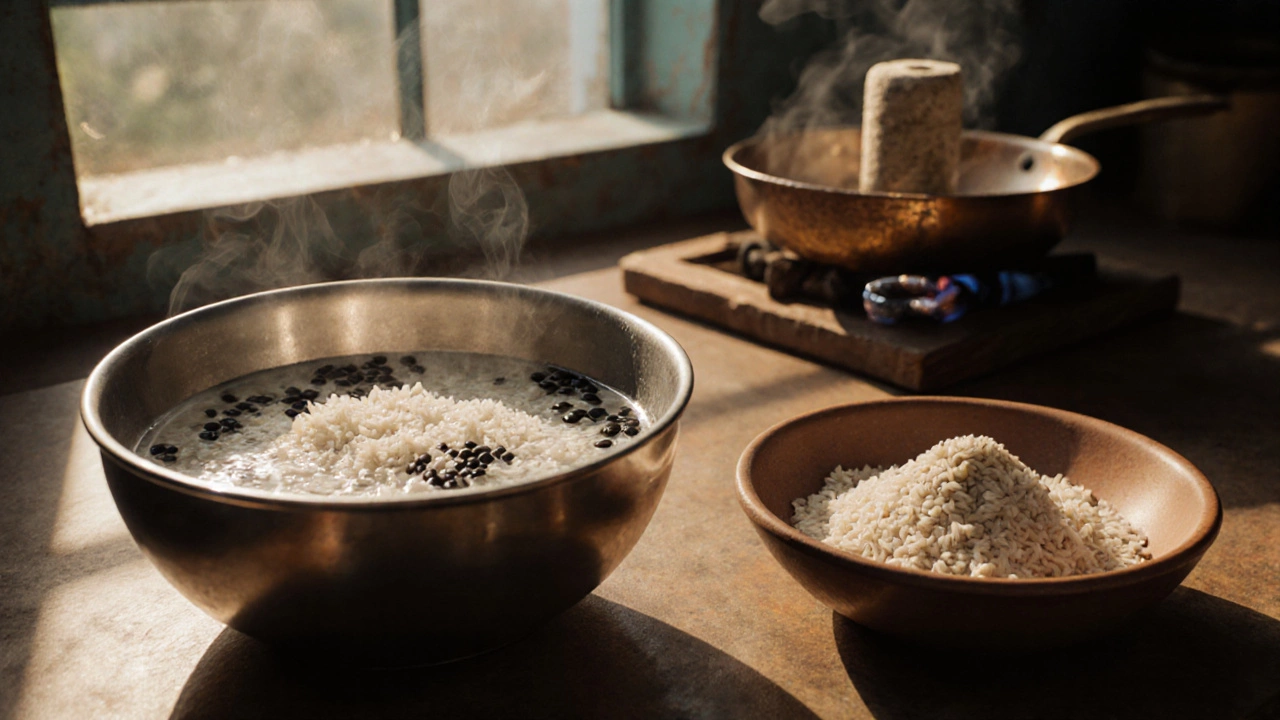
At the heart of every great dosa is dosa batter, a fermented mixture of rice and lentils that transforms into a crisp, airy crepe when cooked. Also known as dosa batter mix, it’s the foundation of one of India’s most beloved breakfasts—and once you understand how it works, you’ll never buy pre-made again. This isn’t just flour and water. It’s a living culture, fed by time, temperature, and the right grains. The magic happens when rice and urad dal soak, grind, and ferment together, creating bubbles that lift the batter into something light enough to float on your plate.
What makes dosa batter different from idli batter? Not much—but enough to matter. dosa rice, a short-grain, parboiled variety with low starch, gives the batter its snap, while idli rice is softer and more absorbent. Skip the wrong rice, and your dosa turns rubbery. You don’t need to fly to Chennai to find it—look for labels like "dosa rice" or "idli rice" in Indian grocery stores, or use a 3:1 ratio of regular white rice to urad dal if you’re improvising. Fermentation is the silent hero here. Left in a warm spot overnight, natural yeasts and bacteria turn sugars into gas, making the batter puff up. Cold kitchen? Use a slightly warm oven or wrap the bowl in a towel. No magic, just science.
Most people mess up dosa batter by rushing it. Soaking for just two hours? You’ll get dense, flat dosas. Skipping the grind? You’ll taste grit. Forgetting to salt before fermenting? The flavor falls flat. The best batter isn’t made in a hurry—it’s made with patience. And once you get it right, you’ll see why fermented batter, the same base used for idlis, vadas, and even appams is the secret behind South India’s most comforting meals. It’s not just food—it’s a tradition that works because it respects time, ingredients, and process.
Below, you’ll find real-tested advice from people who’ve made hundreds of dosas—what rice to pick, how to fix sour or flat batter, why some brands of urad dal work better than others, and how to store leftover batter without losing its lift. No fluff. No theory. Just what actually works in your kitchen.