Gassy After Dal: Why Lentils Cause Bloating and How to Fix It
When you eat dal, a staple lentil dish in Indian cooking made from split pulses like toor, moong, or chana. Also known as lentil curry, it’s packed with protein and fiber—but for many, it also brings bloating, gas, and discomfort. You’re not alone. Millions of people in India and beyond feel gassy after dal, even when they’ve eaten it their whole life. The problem isn’t the dal itself—it’s how it’s prepared, and what’s missing from the cooking process.
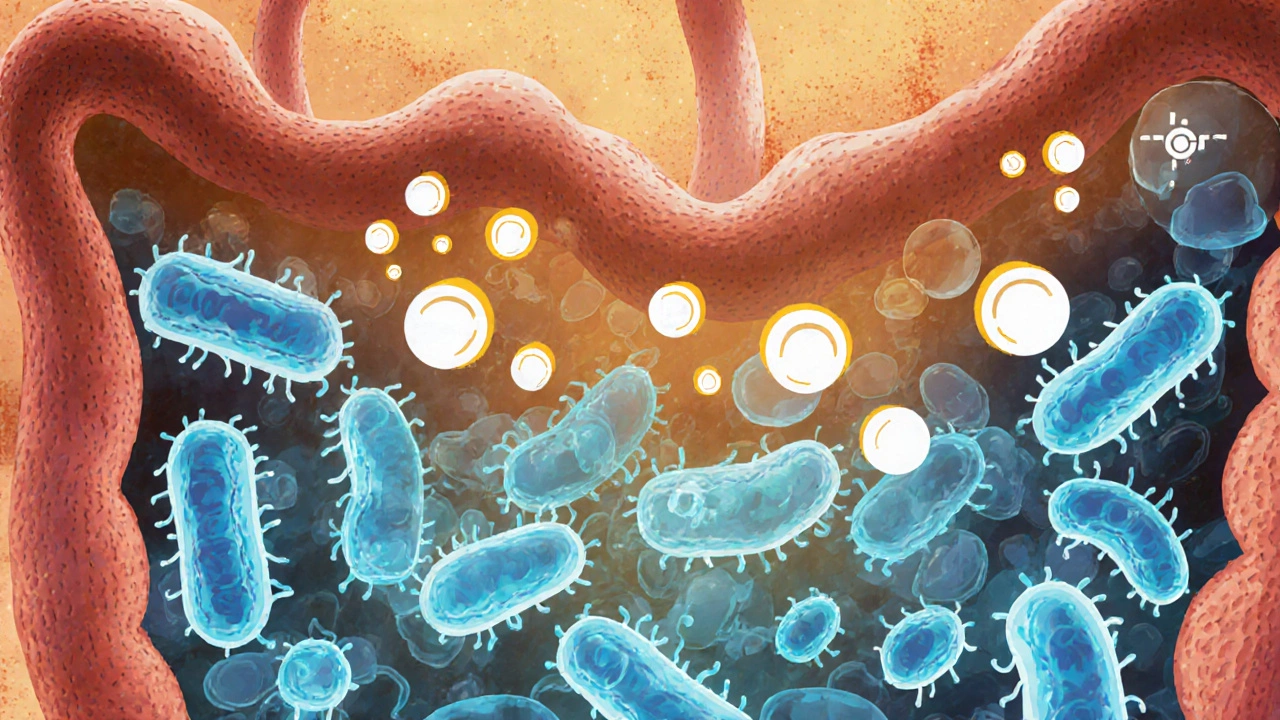
What makes dal hard to digest? It’s the oligosaccharides, complex sugars in lentils that human enzymes can’t break down. These sugars travel to your gut, where bacteria ferment them, producing gas. The same thing happens with beans, but dal is more common in daily meals, so the effect feels constant. You can’t avoid dal if you want nutrition, but you can stop the gas. Soaking dal for at least 6 hours isn’t just traditional—it’s science. It leaches out some of those gas-causing sugars. And rinsing? Don’t skip it. A quick rinse after soaking removes surface starches that add to the problem. Even better, cook dal with a pinch of hing (asafetida), a spice used for centuries in Indian kitchens to reduce flatulence and aid digestion. A tiny amount, added to hot oil at the start of cooking, makes a real difference.
Another big factor? Cooking time. Undercooked dal is the #1 reason people feel bloated. If the lentils are still firm or chalky inside, your body can’t break them down. Simmer them until they’re soft enough to mash with a spoon. Pressure cooking helps, but don’t rush it. And don’t forget the ginger and cumin, two digestive aids that naturally reduce gas and improve nutrient absorption. Toast cumin seeds before adding water, and grate fresh ginger into the pot. These aren’t optional garnishes—they’re part of the recipe.
Some people think switching to moong dal solves everything. It’s true—moong is the easiest to digest, but it’s not the only option. Toor and chana dal work fine too, if you prep them right. The key isn’t avoiding dal. It’s learning how to cook it so your body doesn’t fight it. You’ll find posts here that break down exactly how much water to use, whether to cover the pot, whether rinsing matters, and which dal types are least likely to cause trouble. You’ll also see what happens when you eat dal at night, why store-bought dal sometimes makes you feel worse, and how chutney and yogurt can help balance digestion. This isn’t about giving up dal. It’s about making it work for you—not against you.