How to Wash Lentils: Clean, Prep, and Cook Better Dal Every Time
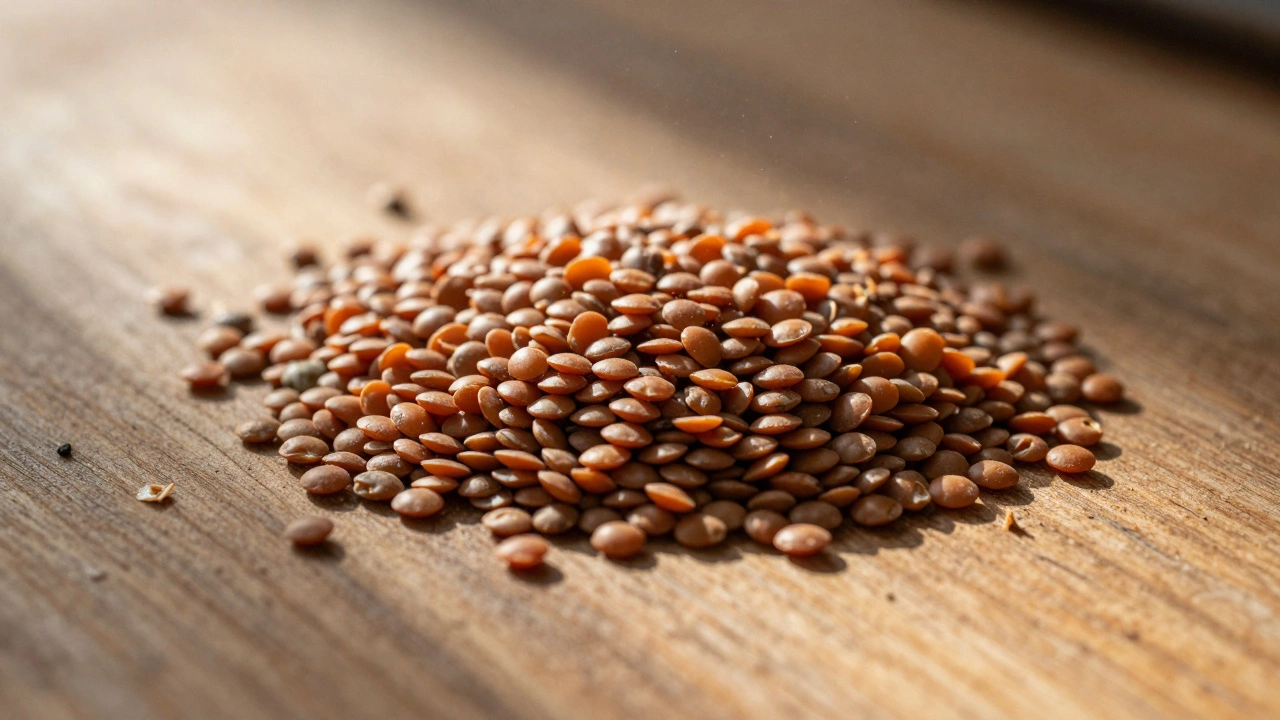
When you buy lentils, small, nutrient-rich legumes used daily in Indian kitchens for dal, soups, and stews, they’re not just sitting there looking pretty—they’re covered in dust, tiny stones, and sometimes even bits of husk. Skipping the wash? That’s how you bite into grit and wonder why your dal tastes off. Washing lentils isn’t optional—it’s the first step to clean, safe, and delicious dal every time.
It’s not just about removing dirt. lentil preparation, the process of rinsing, sorting, and sometimes soaking before cooking affects how fast they cook, how creamy they get, and even how easy they are to digest. If you’ve ever felt bloated after eating dal, poor washing could be part of the problem. Unwashed lentils carry more indigestible sugars and debris that ferment in your gut. Rinse them well, and you cut down on gas, shorten cooking time, and get a smoother texture. This isn’t magic—it’s basic food science.
Some people think soaking is the same as washing, but it’s not. soaking pulses, letting lentils sit in water before cooking to soften them helps with digestion and timing, but you still need to rinse first. You don’t need fancy tools—just a bowl, running water, and five minutes. Pour the lentils in, swirl them with your hands, drain, and repeat until the water runs clear. No need to scrub. No need to overthink it. Just clean, quick, and done.
And don’t assume all lentils are the same. Moong dal rinses faster than chana dal, split chickpeas that are harder and often dirtier than other lentils. toor dal, split pigeon peas commonly used in sambar can hide sand between the halves, so you might need an extra rinse. The same goes for masoor dal and urad dal—each has its own quirks. The key? Always check. Look for stones. Feel for grit. Smell for anything off. If it looks dusty or smells stale, wash it again.
Washing isn’t just about cleanliness—it’s about respect for the ingredient. In Indian kitchens, dal is more than food. It’s comfort. It’s tradition. It’s what you eat when you’re tired, sick, or celebrating. You owe it to yourself to get it right. Skip the shortcuts. Don’t rush the rinse. Your stomach—and your taste buds—will thank you.
Below, you’ll find real tips from people who cook dal every day: how to tell if your lentils are clean enough, what to do when you forget to wash them, why some recipes say ‘no rinse needed’ (and when to ignore that), and how to fix mushy dal after washing. These aren’t theory lessons—they’re kitchen-tested fixes for real problems you’ve probably had.