Idli Rice: What It Is and Why It Matters for Perfect South Indian Breakfasts
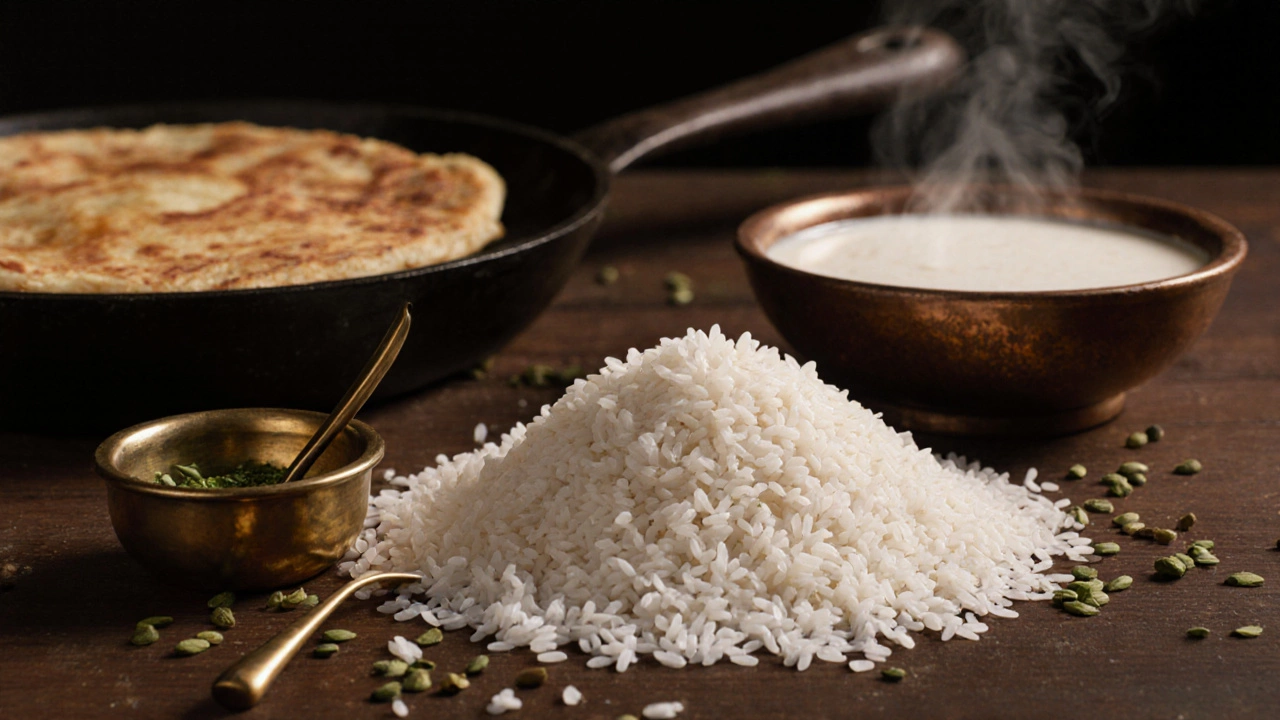
When you think of a perfect idli rice, a short-grain, low-starch rice variety used exclusively for making soft, fluffy idlis in South Indian kitchens. It’s not just any rice—it’s the foundation of a breakfast that millions rely on every morning. You don’t just grind any rice and expect fluffy idlis. Idli rice has a unique texture and starch profile that lets fermentation work its magic, giving you that light, spongy bite without needing a single drop of baking powder. Regular rice? It’ll turn your batter dense, gummy, or worse—flat. This isn’t a suggestion. It’s a rule backed by generations of home cooks in Tamil Nadu, Karnataka, and Kerala.
Idli rice isn’t sold as "idli rice" in most grocery stores. You’ll find it labeled as "idli parboiled rice," "idli paddy," or sometimes just "short-grain parboiled rice." It’s often confused with dosa rice, but they’re not the same. Dosa rice is longer and absorbs more water. Idli rice is shorter, denser, and breaks down slower during grinding, which keeps the batter airy. This rice is also parboiled—meaning it’s soaked, steamed, and dried before milling. That process changes the starch structure, making it easier to ferment and giving idlis their signature springiness. Without this step, your batter won’t rise right, even if you let it sit for 12 hours.
And fermentation? That’s where idli batter, a mixture of fermented rice and black gram dal that becomes the base for idlis comes alive. The right rice lets good bacteria thrive, turning sugars into carbon dioxide and lactic acid. That’s what makes idlis rise without yeast. If your batter smells sour but doesn’t puff up, your rice might be the problem. You can mix in a little dosa rice or even basmati in a pinch, but you’ll notice the difference—idlis will be heavier, less springy, and won’t steam as evenly. For the best results, stick to rice meant for idlis.
It’s not just about taste. The right South Indian breakfast, a daily meal tradition built around fermented rice and lentil dishes like idli, dosa, and uttapam is also about digestion. Fermented rice and dal break down complex carbs and proteins, making them easier on your stomach. That’s why idlis are the go-to for kids, elders, and anyone with sensitive digestion. The process isn’t magic—it’s science. And science needs the right ingredients.
What you’ll find in the posts below are real, tested tips from people who make idlis every day. You’ll learn how to pick the best rice, how to fix a failed batter, why your idlis stick to the mold, and how to get that restaurant-style fluff without a pressure cooker. No fluff. No guesswork. Just what works.