Paneer Recipe: Easy Ways to Cook Soft, Flavorful Paneer at Home
When you think of paneer, a fresh, unaged Indian cheese made by curdling milk with lemon juice or vinegar. Also known as Indian cottage cheese, it's the star of countless curries, snacks, and grilled dishes across India. Unlike aged cheeses, paneer doesn’t melt—it holds its shape, making it perfect for frying, grilling, or simmering in rich sauces. But here’s the problem: most people end up with dry, rubbery paneer, even when they follow a recipe. Why? It’s not the cooking—it’s the making.
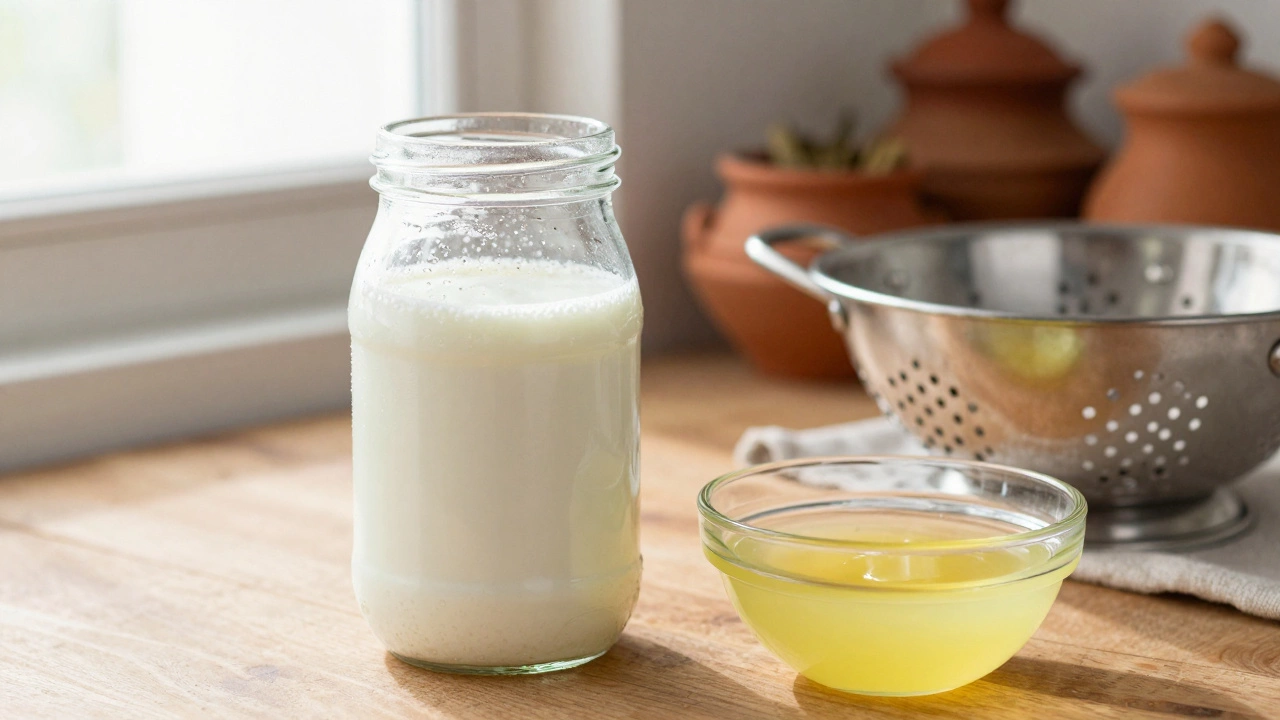
Many buy paneer from the store, only to find it tough and tasteless. That’s because commercial paneer is often pressed too hard and stored too long. homemade paneer, made fresh with whole milk and a bit of acid, is softer, creamier, and far more flavorful. You don’t need special equipment—just milk, lemon juice, and a cloth. The key is letting the curds drain gently, not crushing them under heavy weights. And if you’re using store-bought paneer? Soak it in warm water for 15 minutes before cooking. It’s that simple.
paneer texture, how soft or firm the cheese feels after cooking, depends mostly on how you handle it after curdling. Too much pressure? You get chalky cubes. Too little? They fall apart in the curry. The sweet spot is light pressing for 30–45 minutes. And don’t skip the salt—it pulls out excess moisture and adds depth. Whether you’re making paneer tikka, palak paneer, or just tossing it in a stir-fry, starting with good paneer makes all the difference.
What you’ll find below isn’t just a list of recipes—it’s a practical guide to fixing the most common paneer mistakes. You’ll learn why store-bought paneer turns hard, how to soften it fast, what milk fat percentage works best, and which spices bring out its flavor without overwhelming it. No fluff. No theory. Just what works in real kitchens, tested by home cooks who’ve been there.