Perfect Biryani: Spices, Rice, and Techniques for the Best Layered Dish
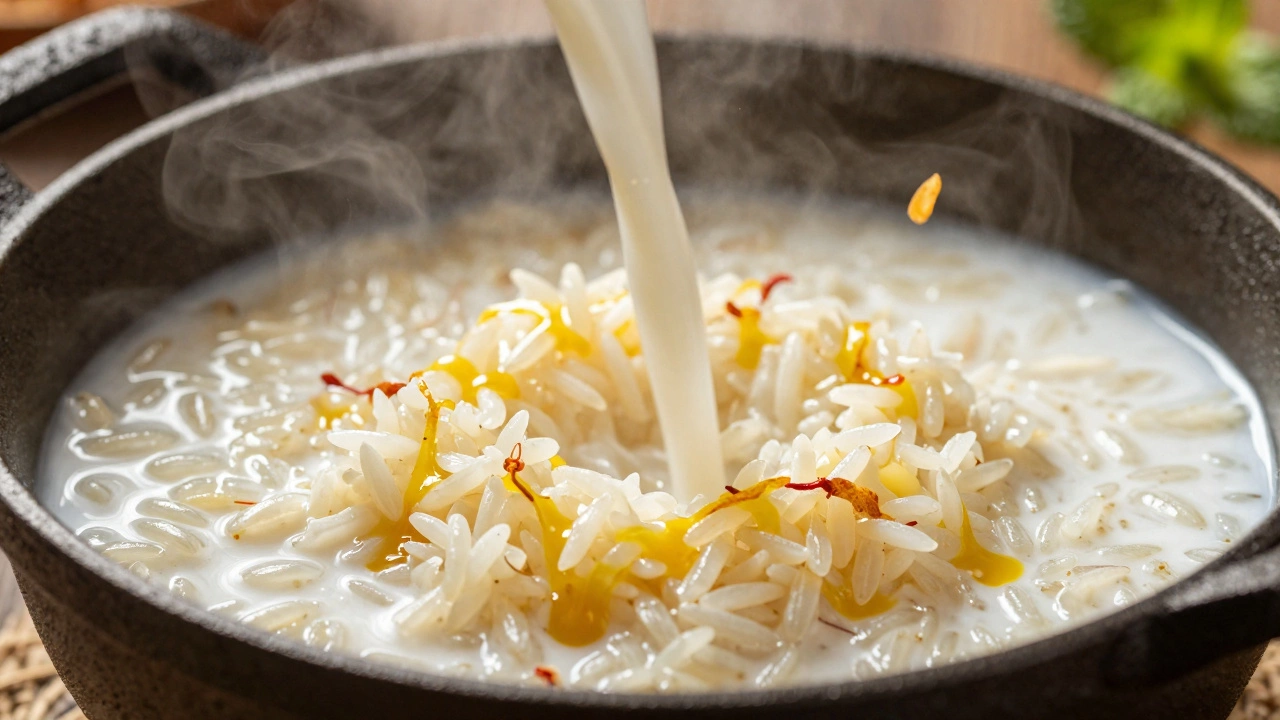
When you think of a perfect biryani, a fragrant, layered rice dish from India with tender meat, whole spices, and saffron-infused rice. It’s not just food—it’s a slow-cooked ritual that brings together spice, time, and technique. Many assume it’s just rice and meat cooked together, but the real magic happens in the layers: the marinated meat at the bottom, the par-cooked rice on top, the fried onions, the saffron milk, and the sealed pot that traps steam like a flavor pressure cooker. This is what turns a simple meal into something unforgettable.
What makes a biryani spice blend, a carefully balanced mix of whole and ground spices like cardamom, cloves, cinnamon, and bay leaves, often toasted to release their oils. It’s not curry powder—it’s more deliberate, more aromatic, and never rushed. You can’t skip browning the meat first—it locks in flavor and keeps it from turning mushy. And the rice? It has to be aged basmati rice, a long-grain variety that stays separate, fragrant, and slightly chewy even after steaming. Fresh rice turns sticky. Old rice? It blooms like a flower when cooked. That’s why recipes insist on rice that’s been stored for a year or more. Then there’s the dum technique—the sealed pot, the charcoal or low heat, the slow steam that lets every layer breathe without mixing. No shortcuts. No lids off. No stirring. Just patience.
People confuse biryani with pulao, but they’re not the same. Pulao is simple—rice and ingredients cooked together in one pot. Biryani is built. Layer by layer. Flavor by flavor. Even the garnish matters—fried onions, fresh coriander, a drizzle of rose water. It’s not just taste—it’s texture, scent, and memory in every bite.
Below, you’ll find real advice from people who’ve made this dish hundreds of times. No fluff. No theory. Just what works: how to choose the right rice, which spices to toast and when, why you shouldn’t rinse the rice after soaking, and how to fix a bland biryani after it’s already cooked. Whether you’re trying to recreate your grandma’s version or make your first batch from scratch, the answers are here.