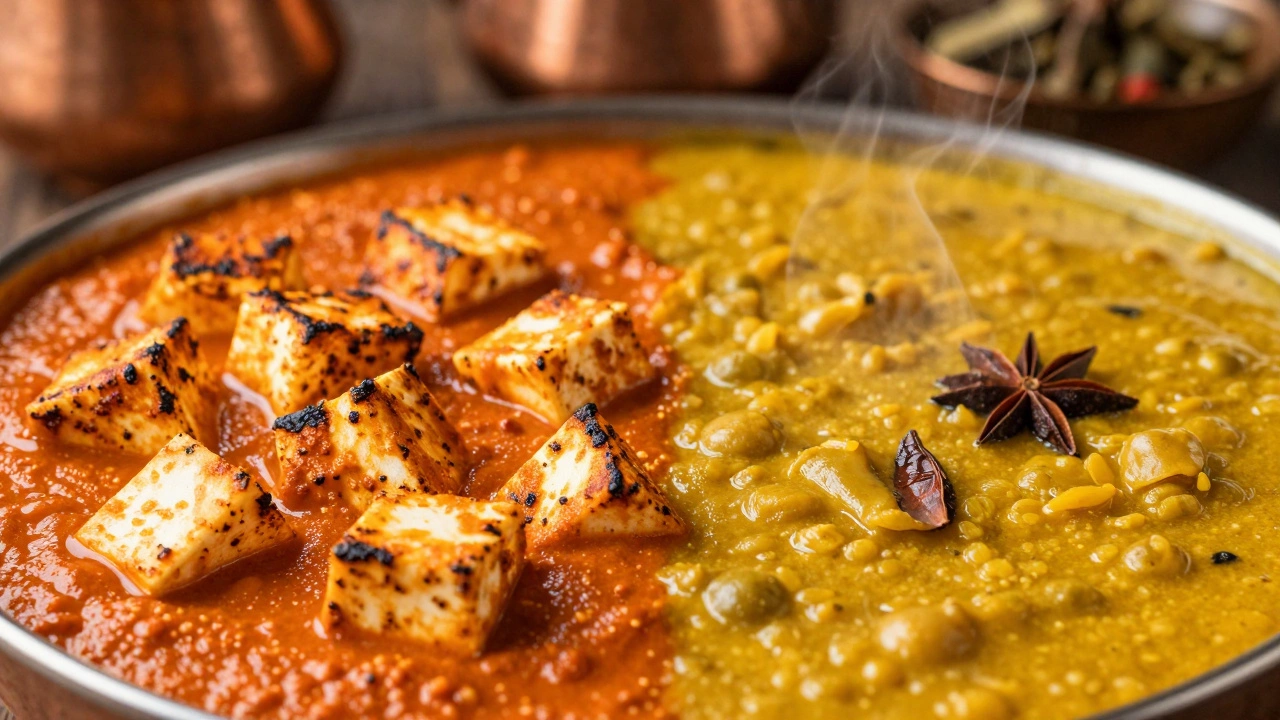
Tikka Masala: What It Is, How It’s Made, and Why It’s So Popular
When you think of tikka masala, a creamy, spiced Indian curry made with marinated chicken and a tomato-based sauce. Also known as chicken tikka masala, it’s one of the most popular Indian dishes outside India—but what you get at restaurants isn’t always what’s made in Indian homes. The real version starts with tender pieces of chicken, marinated in yogurt and spices like garam masala, cumin, and paprika, then grilled or roasted. That’s the tikka part. The masala is the rich, velvety sauce made from tomatoes, cream, garlic, ginger, and a careful blend of warming spices. It’s not just spicy—it’s layered, balanced, and deeply satisfying.
This dish relates closely to other Indian curries like butter chicken, which shares the same base but uses different marinades and cooking methods. Unlike vindaloo or rogan josh, tikka masala isn’t about heat—it’s about texture and richness. The sauce is meant to cling to the meat, not drown it. And while many restaurants use heavy cream and sugar to mimic that richness, homemade versions can be just as creamy using yogurt, cashew paste, or even coconut milk. You don’t need to sacrifice flavor to make it healthier. In fact, many Indian households make it with low-fat dairy and skip the sugar entirely, relying on natural sweetness from tomatoes and onions.
What makes tikka masala so widespread isn’t just taste—it’s adaptability. It works with paneer, shrimp, or even chickpeas. It pairs perfectly with basmati rice, naan, or even plain toast. The sauce is forgiving: a little extra spice? Fine. A splash more cream? Even better. But there’s a trick to getting that restaurant-style color and thickness without artificial additives. It’s all in the slow simmer and the right balance of acid and fat. Too much tomato, and it’s sour. Too much cream, and it’s greasy. The magic happens when the spices bloom in oil, the tomatoes break down into a paste, and the sauce reduces just enough to coat the back of a spoon.
What you’ll find in the posts below are real, practical insights—how to fix bland tikka masala, why store-bought spice blends fall short, how to make it without a tandoor, and whether it’s actually healthy if you cook it right. You’ll also see how it connects to other Indian staples like chutney, paneer, and dal, because no dish exists in a vacuum. This isn’t just about one recipe. It’s about understanding the flavors, techniques, and choices that make Indian cooking work—whether you’re cooking for one or feeding a crowd.