Tikka Masala vs Curry: What’s the Real Difference?
When you think of tikka masala, a creamy, tomato-based Indian dish with grilled meat and aromatic spices. Also known as chicken tikka masala, it’s one of the most popular Indian dishes worldwide, especially in the UK and the US. But here’s the thing—many people call it just "curry." And that’s where the confusion starts. Not all curries are tikka masala, and not all tikka masala is curry in the traditional sense. curry, a broad term for spiced stews or sauces in South Asian cooking, often made with onions, garlic, ginger, and a blend of ground spices. It’s not one recipe—it’s a category that includes dozens of regional dishes from India, Pakistan, Bangladesh, and Sri Lanka. Tikka masala is just one flavor profile under that big umbrella.
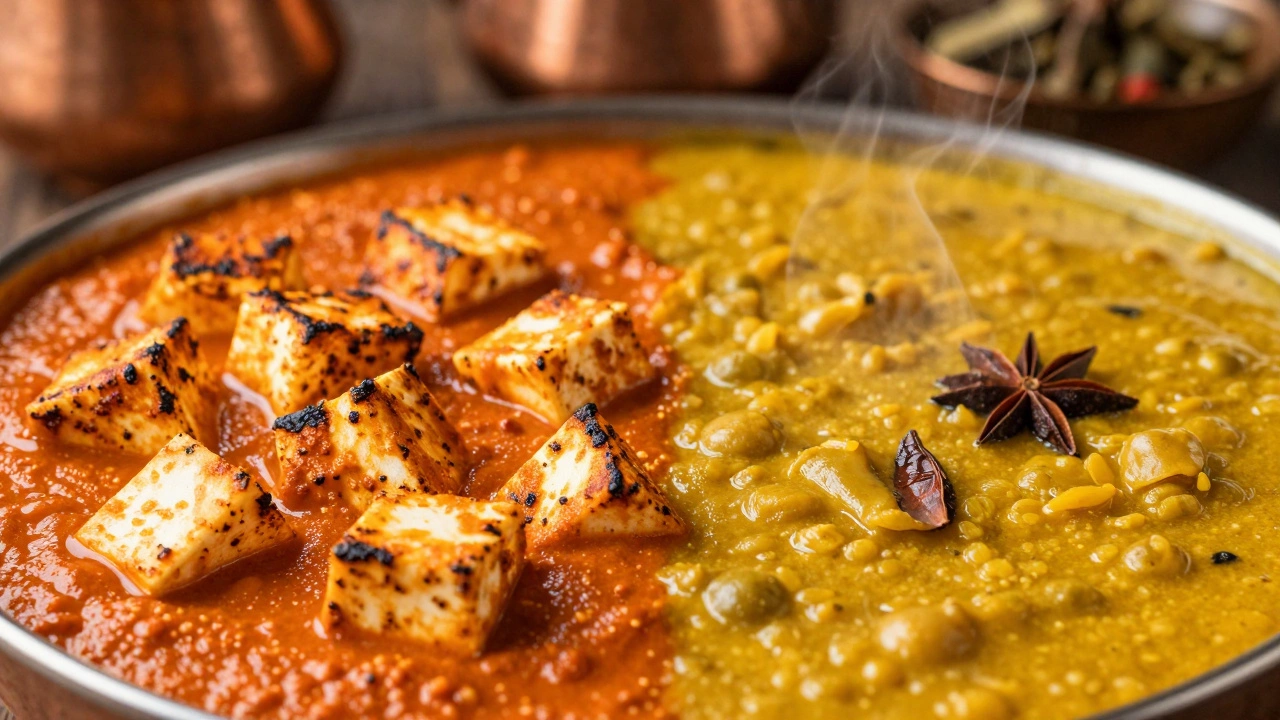
So what sets them apart? Tikka masala starts with tandoori-style grilled meat—usually chicken—that’s been marinated in yogurt and spices, then tossed into a rich, buttery tomato sauce. The sauce is thick, slightly sweet, and creamy, often made with heavy cream or cashew paste. It’s designed to be comforting, not spicy. On the other hand, curry, a term that covers everything from South Indian coconut-based stews to North Indian onion-tomato gravies. It can be thin or thick, mild or fiery, and often uses whole spices like cumin, mustard seeds, or fenugreek that are fried in oil at the start. A real curry builds flavor in layers—tempering spices, browning onions, simmering for hours. Tikka masala skips the tempering and relies on pre-cooked meat and a blended sauce. One is a specific dish. The other is a whole cooking style.
That’s why restaurant menus get it wrong so often. If you order "chicken curry" and get a creamy red sauce with grilled chunks, you’re actually getting tikka masala. And if you ask for "tikka masala" but get a thin, spicy tomato gravy with no grill marks? That’s not authentic. The real difference isn’t just taste—it’s technique. Tikka masala needs a tandoor or grill first. Curry starts with oil and whole spices. One is fast, restaurant-friendly. The other is slow, home-cooked tradition. You’ll find both in our collection: posts that break down how to make real tikka masala at home, why store-bought versions fall flat, and how to build authentic curry flavors without recipes that just say "add spices." You’ll also learn how to tell the difference when you’re eating out, how to adjust recipes for your taste, and why the sauce thickness matters more than you think.