Indian Sweets: Discover Mithai, Sweeteners, and How to Store Them
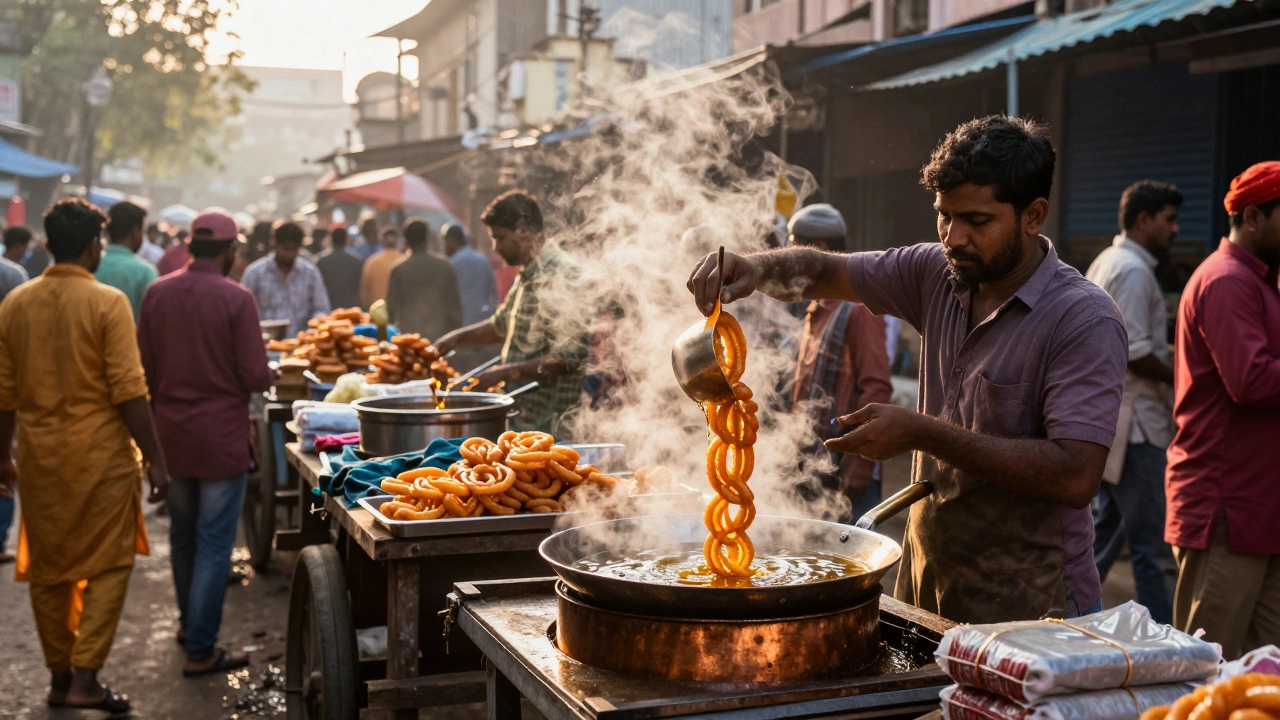
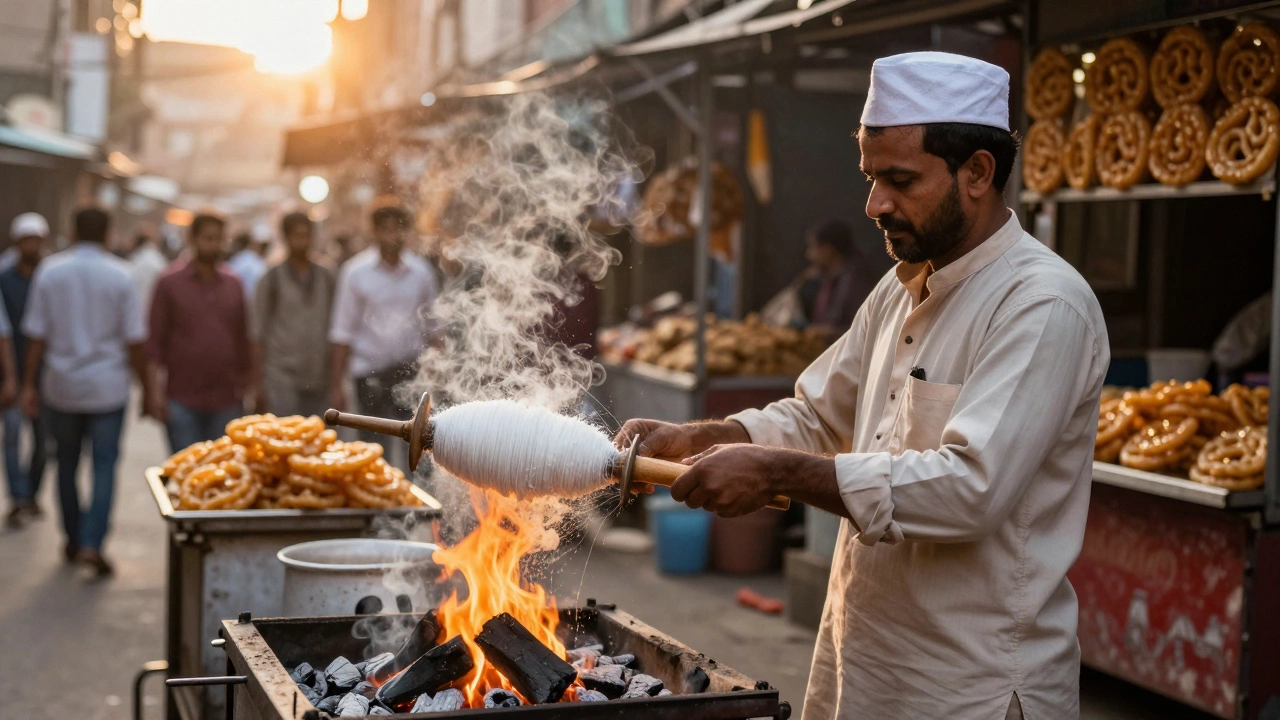
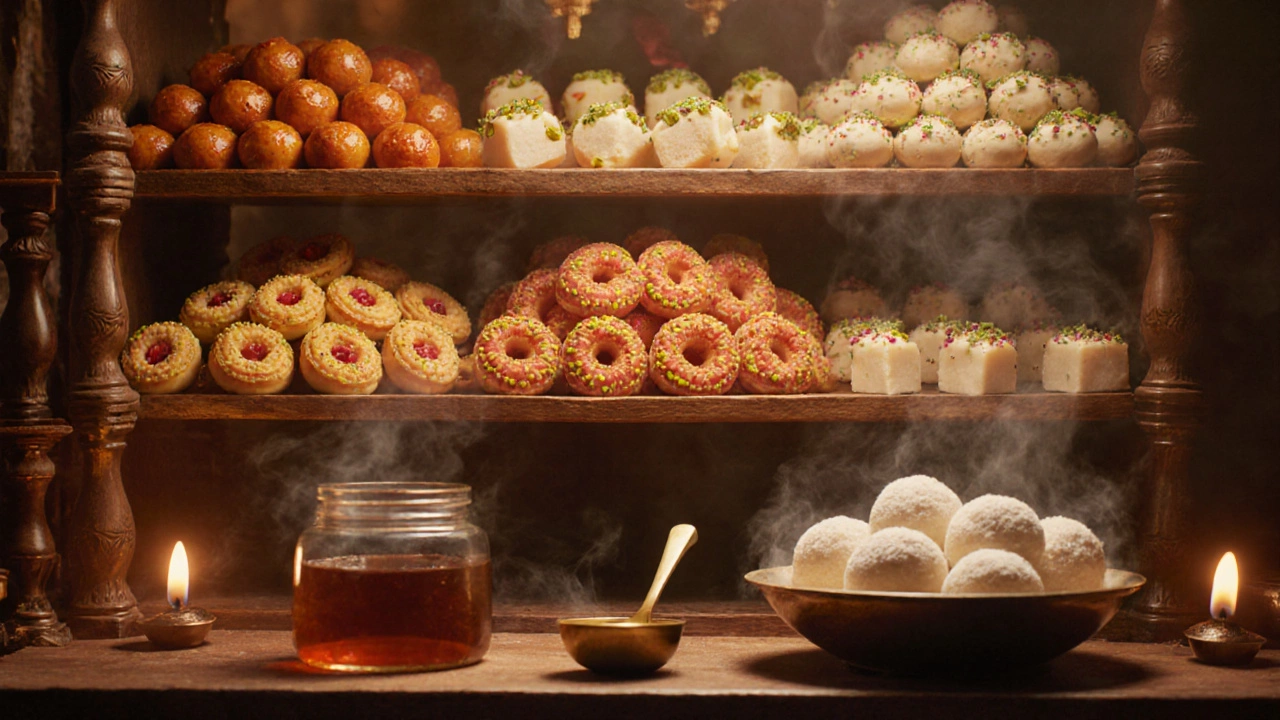
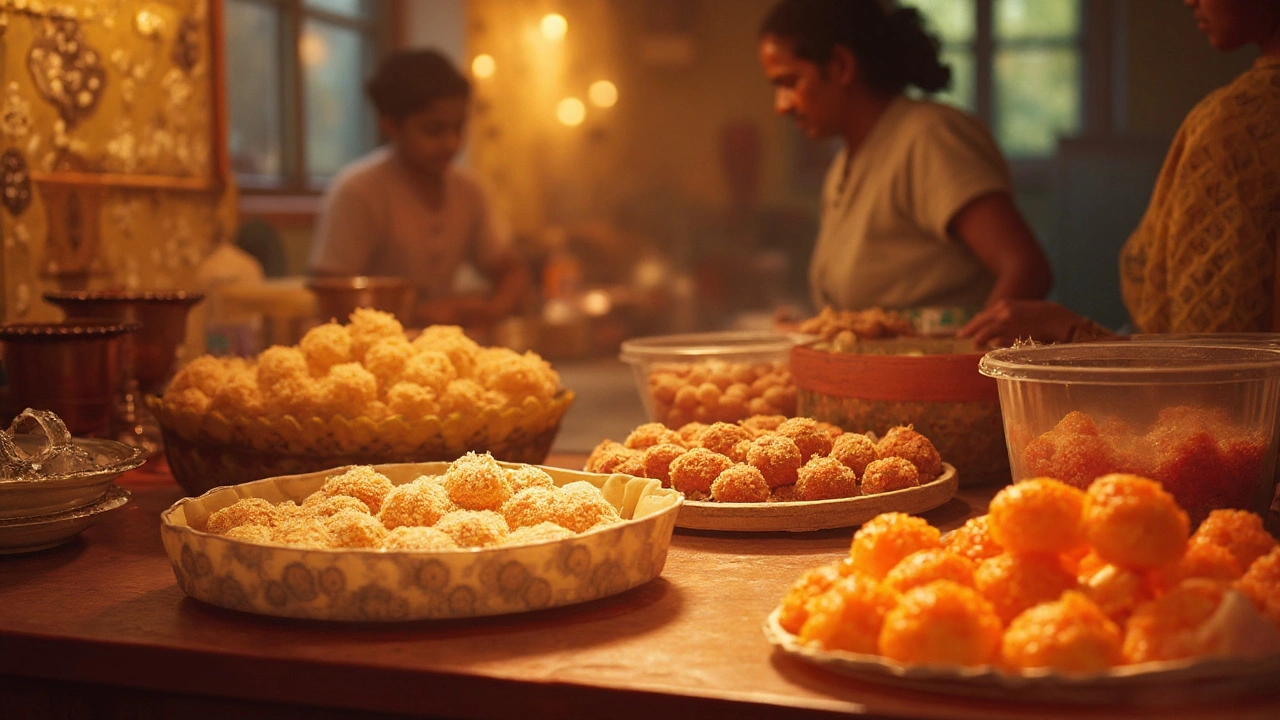
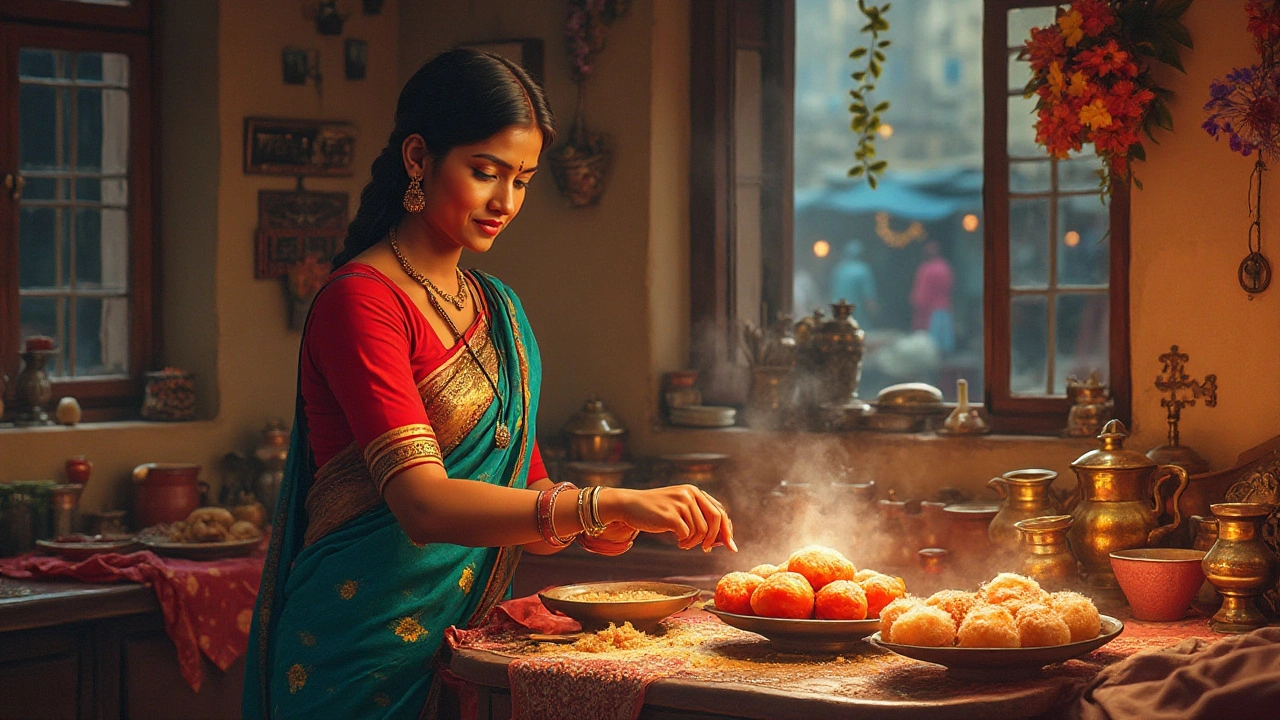
When you think of Indian sweets, you’re thinking of Mithai, a broad category of traditional Indian desserts made with milk, sugar, nuts, and spices, often served at celebrations and festivals. Also known as Indian candy, Mithai isn’t just dessert—it’s culture, memory, and celebration wrapped in a bite. From the syrup-soaked Gulab Jamun, deep-fried milk dumplings soaked in sugar syrup, a staple at weddings and Diwali to the airy, cardamom-scented Pashmak, hand-spun sugar floss once reserved for Mughal courts, each sweet tells a story. These aren’t just sugary snacks—they’re made with care, often using time-honored techniques passed down for generations.
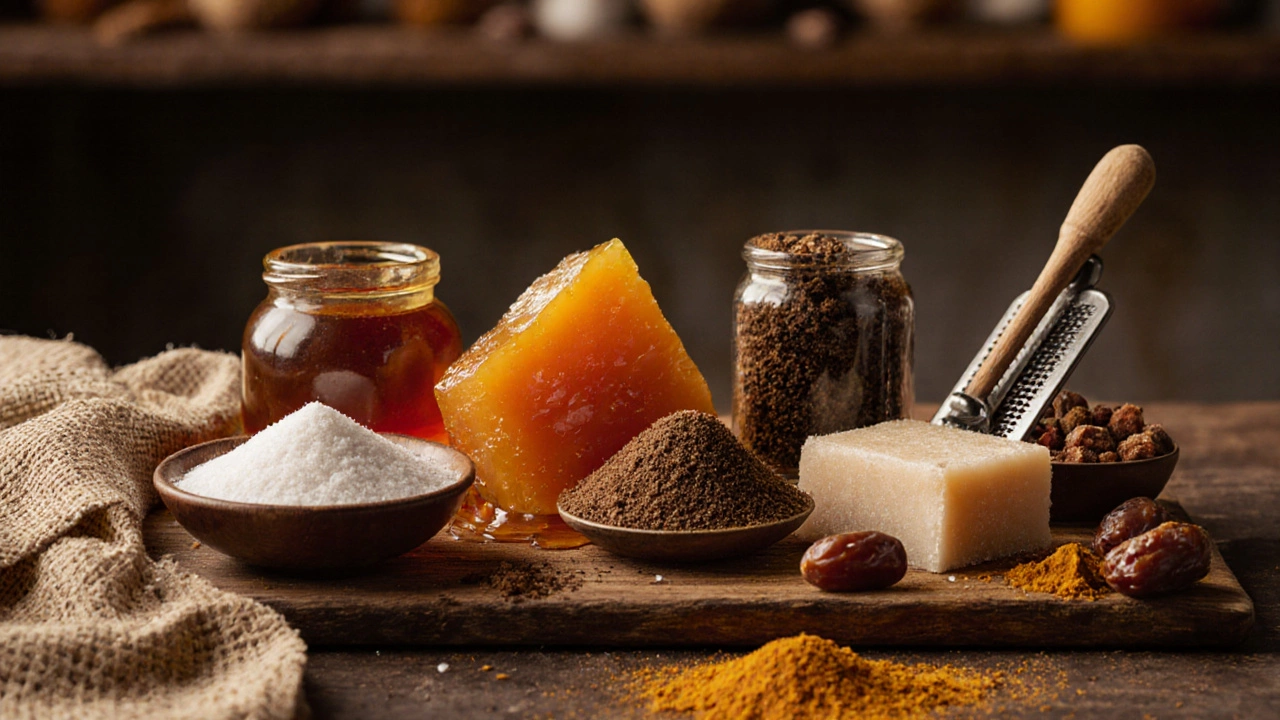
What makes Indian sweets different isn’t just the taste—it’s what’s inside. Many rely on jaggery, an unrefined cane sugar with a deep, molasses-like flavor that’s richer than white sugar and used widely across rural India instead of plain sugar. Others use honey, coconut sugar, or even dried fruit pastes. These sweeteners aren’t just substitutes—they shape the flavor, texture, and even the health profile of the treat. And while some sweets like Indian sweets can be frozen for weeks, others turn soggy or lose their crispness if not stored right. Knowing which ones to freeze, which to keep in the fridge, and how long they’ll last can save you from wasted treats and ruined celebrations.
Whether you’re trying to find a healthier option without giving up sweetness, looking to recreate a childhood favorite, or just want to know how to keep your Gulab Jamun from turning rubbery, this collection has you covered. You’ll find clear answers on what makes each sweet unique, how to pick authentic ones at the market, and simple tips to store them so they taste as good days later as they did fresh out of the pan. No guesswork. No fluff. Just real advice from people who make these sweets every day.