Biryani Recipe: Authentic Ways to Make Perfect Indian Biryani at Home
When you think of biryani, a fragrant, layered rice dish from India with meat, spices, and saffron. It’s not just rice and meat—it’s a slow-cooked celebration of flavor, texture, and tradition. Also known as biryani pulao, this dish varies from region to region, but the core is always the same: perfectly cooked basmati rice, tender meat, and a spice blend that lingers long after the last bite.
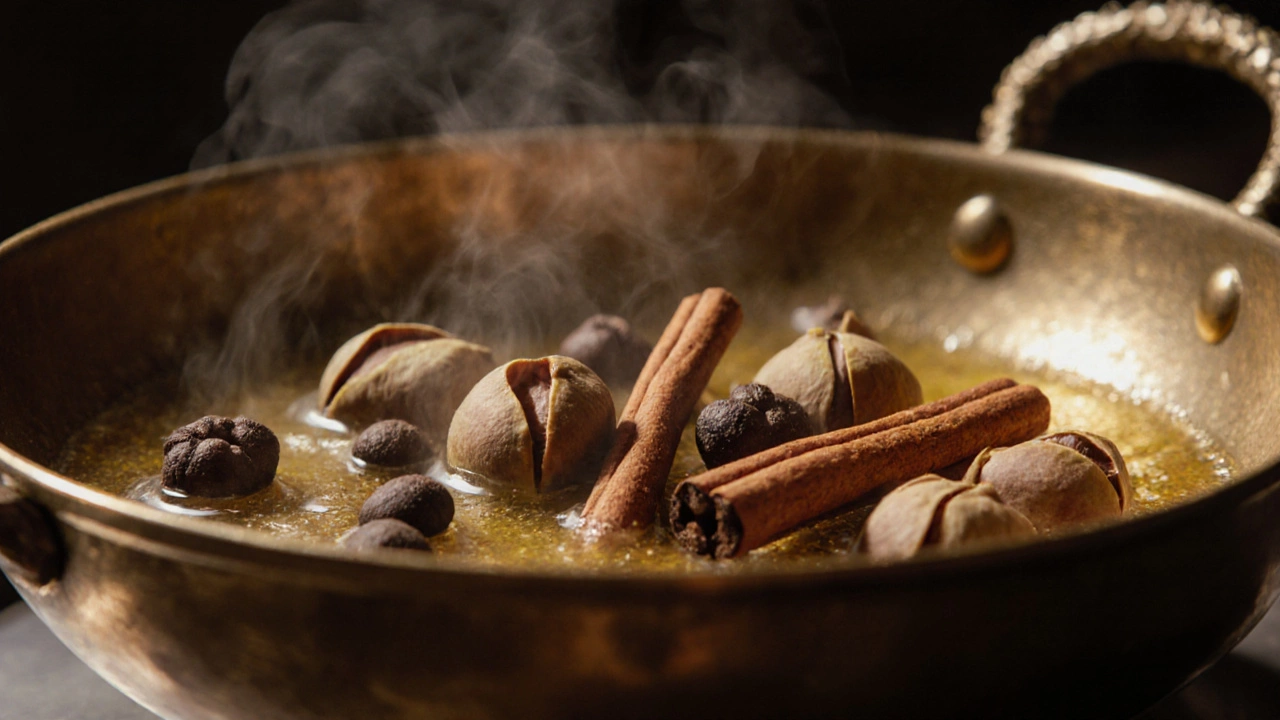
Basmati rice, a long-grain rice known for its aroma and fluffy texture when cooked is non-negotiable. You can’t substitute it with regular rice and expect the same result. Then there’s spice mix for biryani, a blend of whole spices like cardamom, cloves, cinnamon, and bay leaves, often ground fresh. Store-bought garam masala won’t cut it—you need the whole spices toasted and ground for that deep, warm base. And don’t forget the yogurt marinade, a tenderizing agent that also adds tang and helps the spices cling to the meat. These aren’t optional extras—they’re the backbone of real biryani.
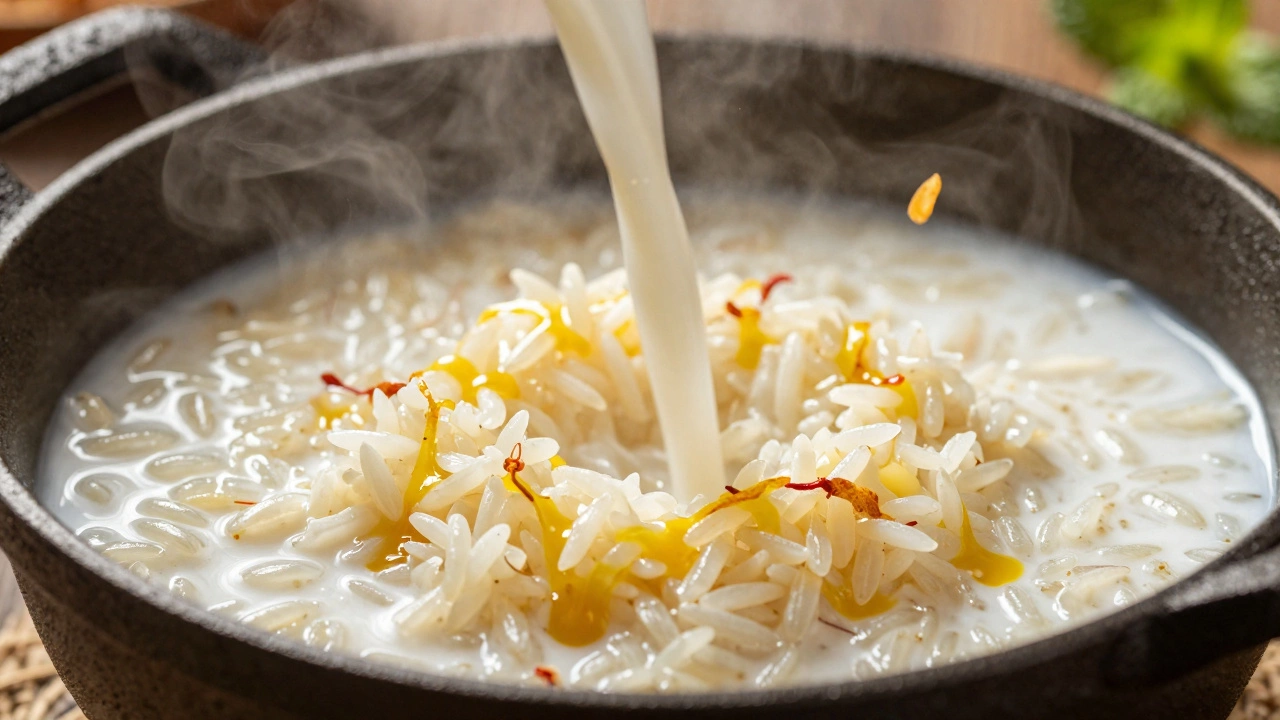
There’s a reason people fight over whether chicken biryani is better than mutton or vegetable biryani. It’s not about the protein—it’s about how the layers are built. The rice is par-cooked, then layered with spiced meat, fried onions, saffron milk, and fresh herbs. Then it’s sealed with dough or a lid and cooked on low heat, letting the steam carry the flavors deep into every grain. Skip the dum cooking step, and you’re just making a rice curry. The magic happens in the wait—the slow, quiet steam that turns good biryani into unforgettable biryani.
What you’ll find in the posts below aren’t just recipes. They’re fixes for common mistakes: why your rice turns mushy, how to get that golden crust on the bottom, which spices to toast first, and how to make biryani without a pressure cooker. You’ll see how to adapt it for busy weeknights, how to use leftover meat, and why some cooks swear by rose water while others avoid it entirely. This isn’t about following a rigid method—it’s about understanding the why behind each step so you can make biryani your way, every time.