Biryani Spices: The Essential Blend for Authentic Indian Flavor
When you think of biryani spices, a layered mix of whole and ground spices used to flavor rice, meat, and vegetables in Indian and Pakistani cuisine. Also known as biryani masala, it’s not just a seasoning—it’s the soul of a dish that’s been passed down through generations. These aren’t random spices tossed into a pot. They’re carefully chosen, toasted, ground, and balanced to build depth, warmth, and aroma that lingers long after the last bite.
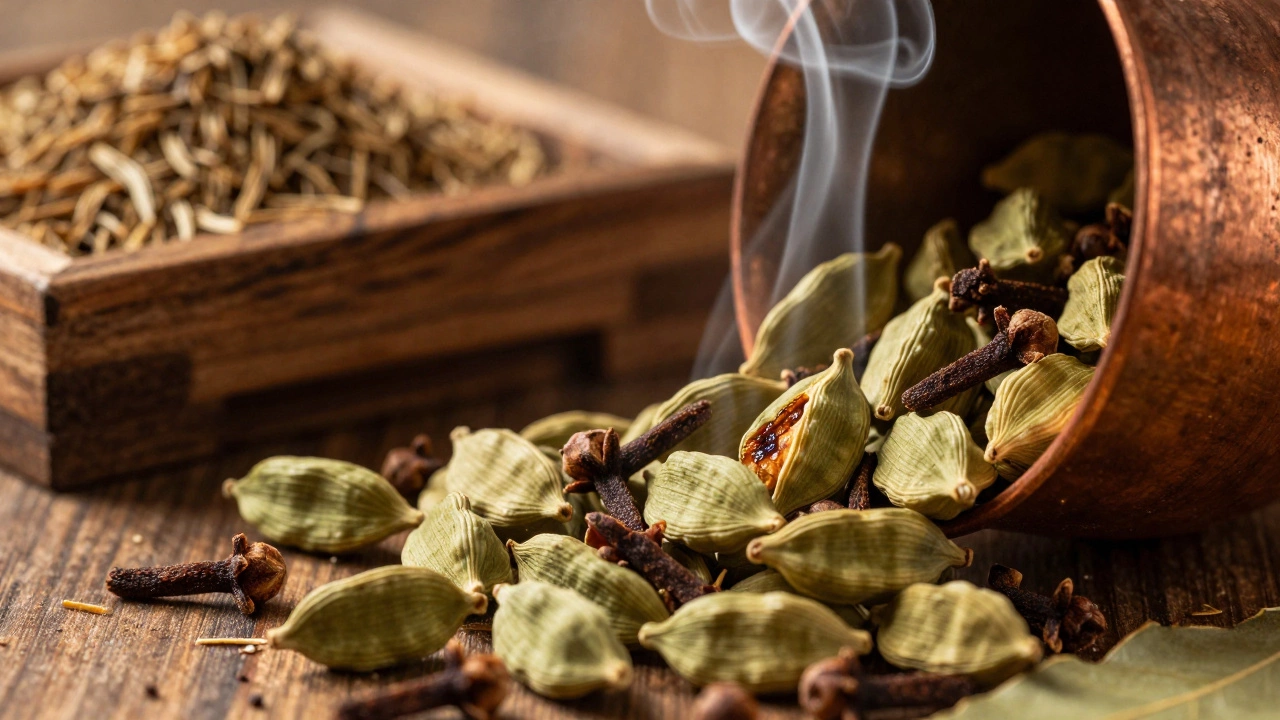
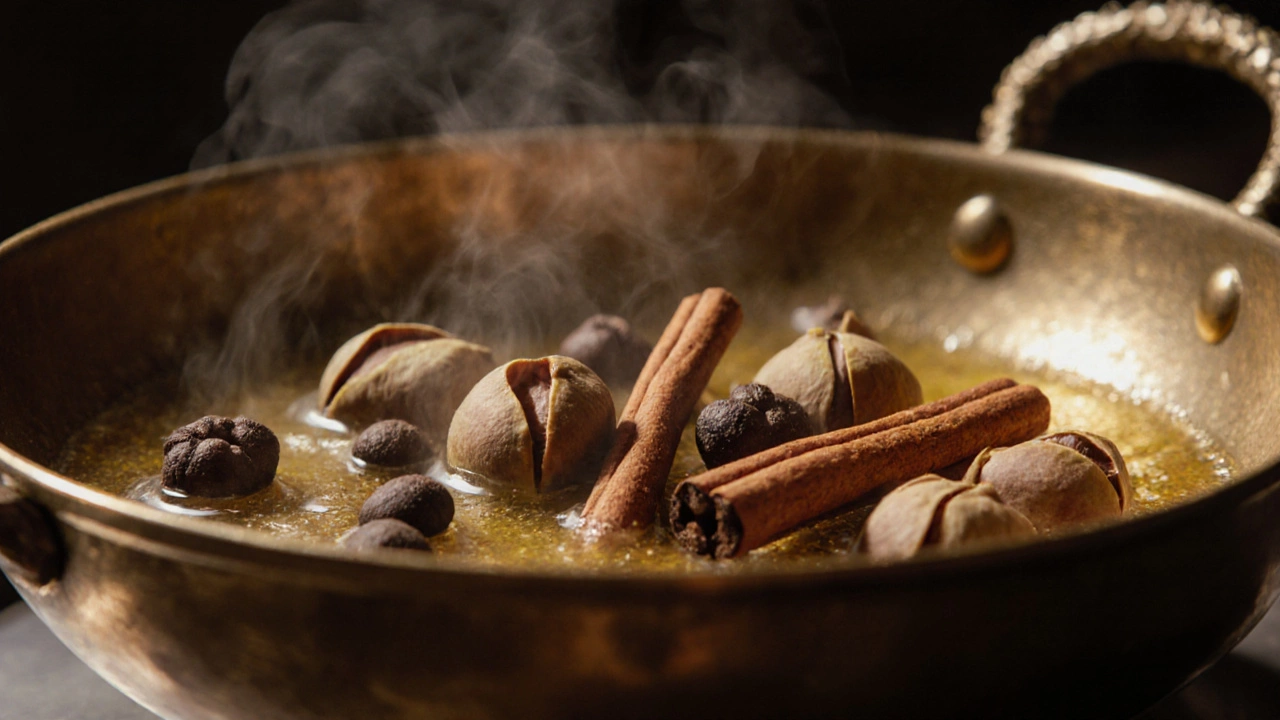
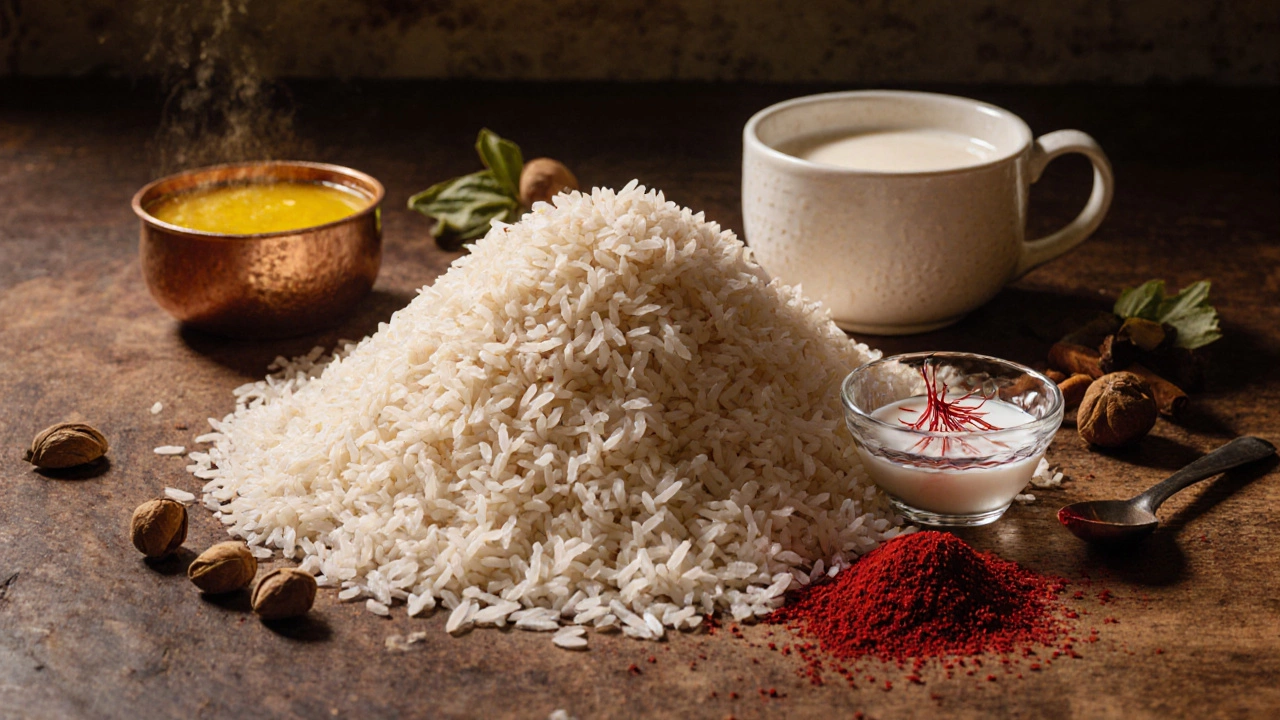
Real biryani spices include cumin seeds, whole seeds that release earthy, nutty notes when fried in oil, cardamom pods, both green and black, adding floral sweetness and a hint of smoke, cloves, pungent and warm, used sparingly to anchor the flavor, and cinnamon sticks, not powdered, but whole, to infuse slowly during cooking. You’ll also find bay leaves, star anise, nutmeg, mace, and sometimes saffron soaked in warm milk. Each plays a role—some give heat, some give sweetness, some give fragrance. Skip one, and the whole balance shifts.
What most people don’t realize is that biryani spices work differently than curry powders. Curry blends are meant to dissolve into a sauce. Biryani spices are layered—some fried at the start, some added mid-cook, some sprinkled on top before steaming. That’s why restaurant biryanis taste different from home versions: it’s not just the ingredients, it’s the technique. Even the rice matters—basmati soaks up the spice oils differently than short-grain rice. And if you’re using pre-mixed biryani masala from the store, you’re missing the nuance. Most contain fillers, artificial flavors, or too much chili powder. Real biryani spices are about patience, not convenience.
You don’t need a fancy spice rack to make great biryani. Start with the basics: cumin, cardamom, cloves, cinnamon, and bay leaves. Toast them lightly in oil before adding onions. That’s the foundation. From there, you can add black pepper, fennel seeds, or dried rose petals if you want to go deeper. The key is to smell each spice as you add it. If it doesn’t smell good to you, it won’t taste good either. Biryani isn’t about following a rigid recipe—it’s about learning how these spices talk to each other.
Below, you’ll find real, tested methods from home cooks who’ve spent years perfecting their biryani. Some use yogurt marinades. Others swear by fried onions. A few even add a pinch of edible camphor for that authentic Hyderabadi touch. You’ll see how spice ratios change from Lucknow to Kolkata, and why some families never use turmeric in their biryani at all. There’s no single right way—just the way that works for you. But without the right spices, you’re just making rice with meat. With them? You’re making history in a pot.