Dosa Batter Recipe: How to Make Fluffy, Crispy Dosa at Home
At the heart of every perfect dosa is a simple but precise dosa batter recipe, a fermented mixture of rice and lentils that transforms into a crisp, golden crepe when cooked on a hot griddle. Also known as dosa batter, this base is what makes South Indian breakfasts like masala dosa, plain dosa, and even uttapam possible — and it’s far more than just ground rice and dal. The magic isn’t in the ingredients alone; it’s in the balance, the wait, and the technique.
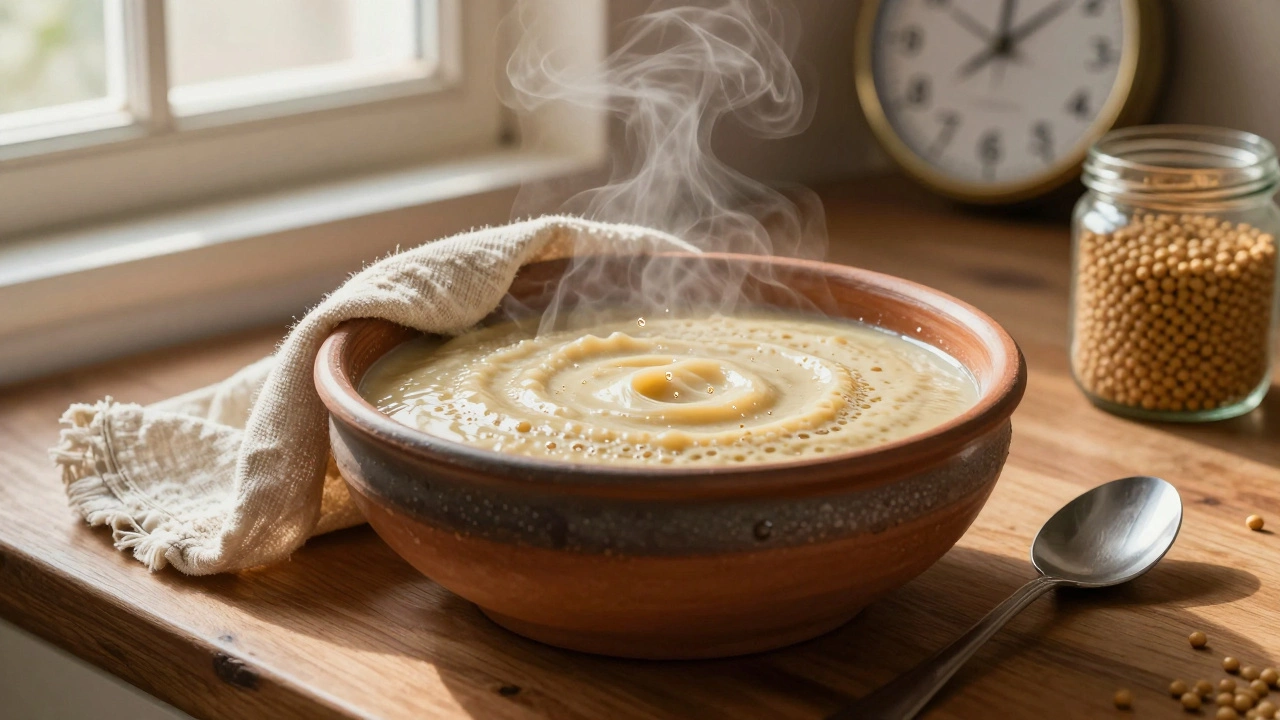
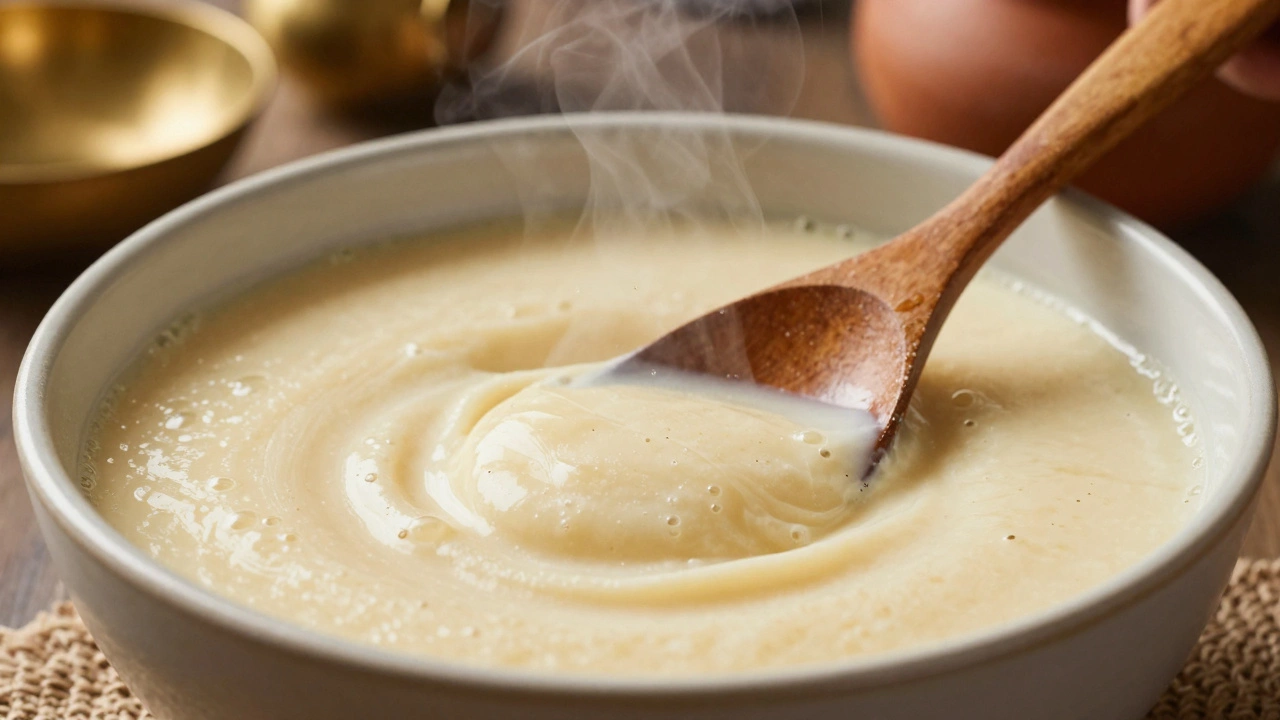
What makes a good dosa batter? It starts with the right rice. Not all rice works — you need a short-grain variety like idli rice, a special type of parboiled rice that absorbs water well and ferments evenly. Also known as dosa rice, this grain gives the batter the right texture: light, airy, and crisp. Then comes urad dal — the protein-rich lentil that creates the bubbles during fermentation. The ratio matters: 3 parts rice to 1 part dal is the sweet spot. Skip soaking either for too long or too short, and your batter won’t rise right. And then there’s the fermentation — the silent step that turns a thick paste into something that puffs up like bread. If your batter doesn’t double in size after 8–12 hours, you’re not getting that signature crispness. Temperature plays a role too. In colder climates, you might need to place the batter near a warm oven or wrap it in a towel. Store-bought mixes often fail because they skip the real fermentation — they use baking powder instead, which gives you a quick fix but not the real flavor.
Some people ask: can you make dosa without fermentation? Yes — but it’s not the same. Quick versions using baking soda or lemon juice skip the tangy depth and chewy texture that real fermentation builds. That’s why traditional recipes insist on waiting. The batter isn’t just food — it’s alive. The wild yeasts and lactic acid bacteria doing their work overnight are what make dosa digestible, flavorful, and uniquely satisfying. You’ll find posts here that break down exactly which rice to buy, how to fix a batter that didn’t ferment, and even how to make dosa in under 30 minutes if you’re in a rush — but none of them replace the truth: the best dosa comes from patience.
What you’ll find below are real, tested approaches from people who’ve made hundreds of dosas — from the classic soaked-and-fermented method to emergency hacks for busy mornings. You’ll learn why some rice brands work better than others, how to tell if your batter is ready, and what to do when it smells off. No fluff. No theory. Just what works in a real kitchen, with real ingredients, for real people who want to eat good dosa without the hassle.