Paneer: The Fresh Indian Cheese You Can Make at Home
When you think of paneer, a soft, unaged cheese made by curdling milk with lemon juice or vinegar, commonly used in Indian cooking. Also known as Indian cottage cheese, it’s the star of dishes like paneer tikka, palak paneer, and paneer butter masala—rich, creamy, and absorbent, soaking up spices like a sponge. Unlike aged cheeses, paneer doesn’t melt. It holds its shape when grilled, fried, or simmered, which is why it’s perfect for stir-fries, skewers, and curries. You don’t need a cheese maker or special equipment to make it. Just milk, an acid, and a cloth.
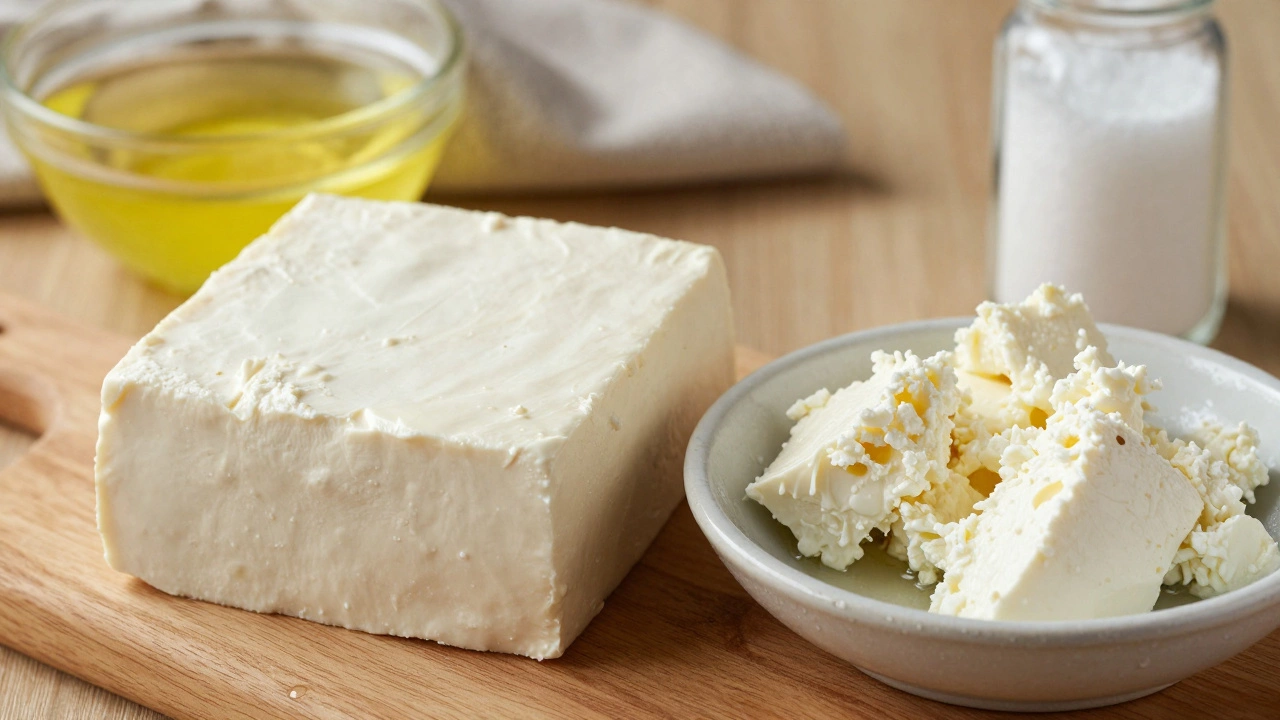
But here’s the catch: not all paneer is created equal. store-bought paneer, often mass-produced and packed with preservatives to extend shelf life. Also known as commercial paneer, it’s frequently hard, rubbery, and lacks the fresh milky taste you get at home. Why? Because it’s been pressed too long, stored too long, or made with low-fat milk. Meanwhile, homemade paneer, made from full-fat milk and curdled with lemon juice or vinegar, is soft, crumbly, and has a clean, sweet flavor. Also known as fresh paneer, it lasts only 5 to 7 days in the fridge—no longer. That’s why recipes like Can You Eat 10-Day-Old Paneer? and Why Store-Bought Paneer Is Hard exist. People are trying to fix what’s broken.
You can even make paneer from slightly sour milk—just not spoiled milk. There’s a difference. Fermented milk works; rotten milk doesn’t. And if you’ve ever tried to fry paneer and it fell apart, it’s probably because you didn’t press it right or used milk that wasn’t hot enough. The trick? Let it drain slowly under weight, then soak it in cold water for 30 minutes before cooking. That’s how you get that perfect springy texture.
Paneer isn’t just a protein source—it’s a cultural staple. It’s what you eat on busy mornings with parathas, what you grill for parties, what you toss into a curry after a long day. It’s the cheese that doesn’t need aging, doesn’t need rennet, and doesn’t need fancy tools. Just patience, good milk, and a little know-how. Whether you’re trying to avoid store-bought versions, fix a rubbery block, or simply understand why your paneer tastes off, the posts below cover exactly that. No fluff. No guesswork. Just what works.