Cooking Tips for Authentic Indian Meals: Paneer, Curry, Biryani & More
When it comes to Cooking tips, practical, hands-on advice that solves real problems in the kitchen. Also known as kitchen hacks, these are the little tricks that turn average meals into something memorable. Indian cooking isn’t about fancy tools or rare ingredients—it’s about knowing when to soak rice, how to tell if paneer is still good, or why your curry turns out watery. These aren’t guesses. They’re tested methods passed down through generations—and now, they’re right here for you.
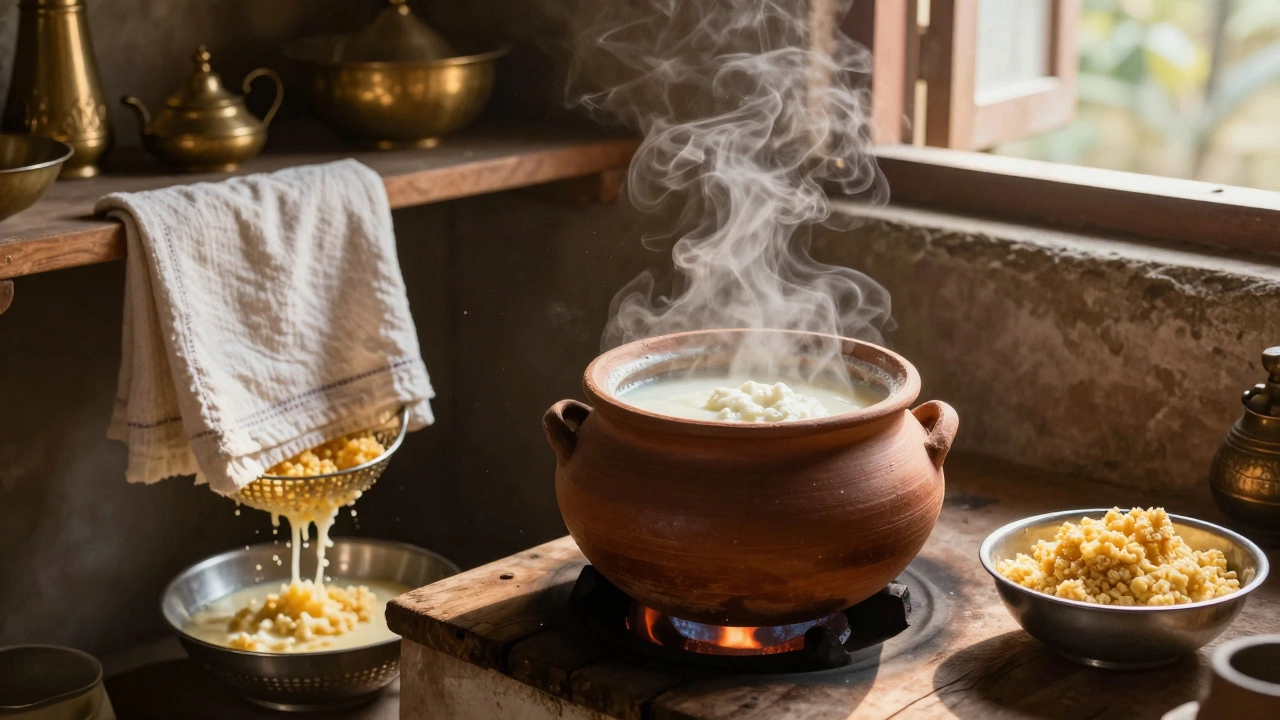
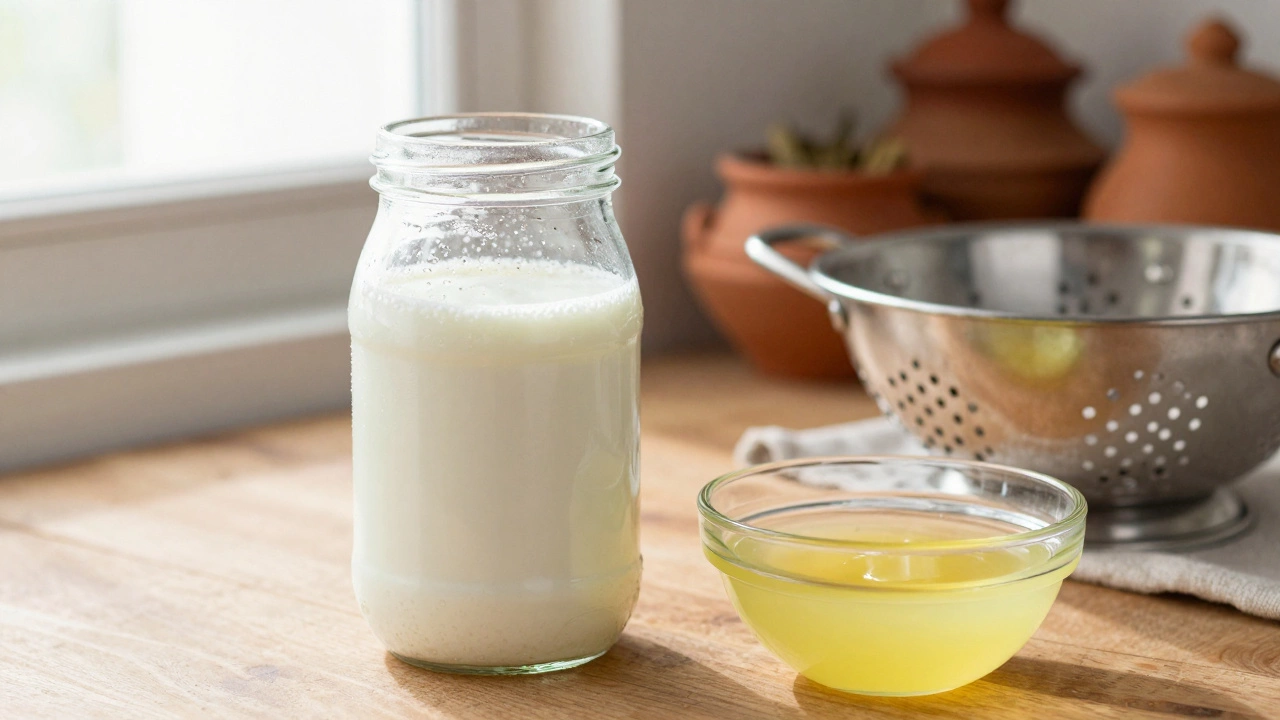
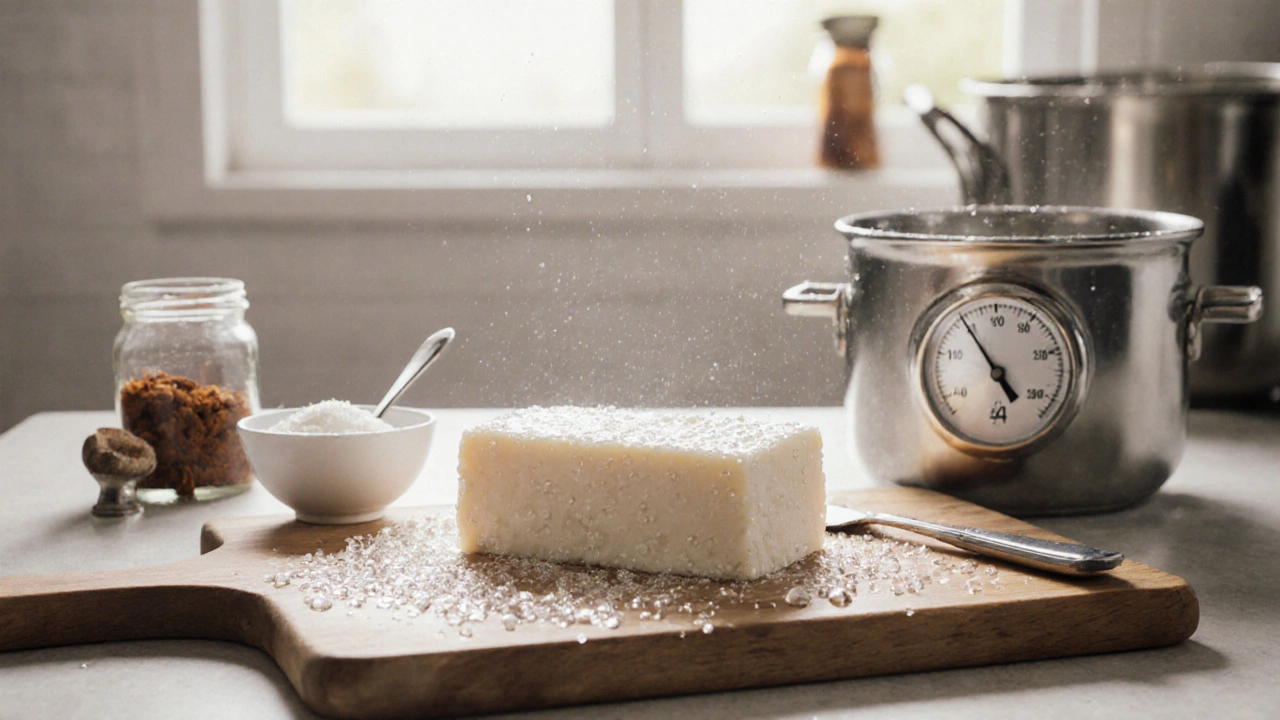
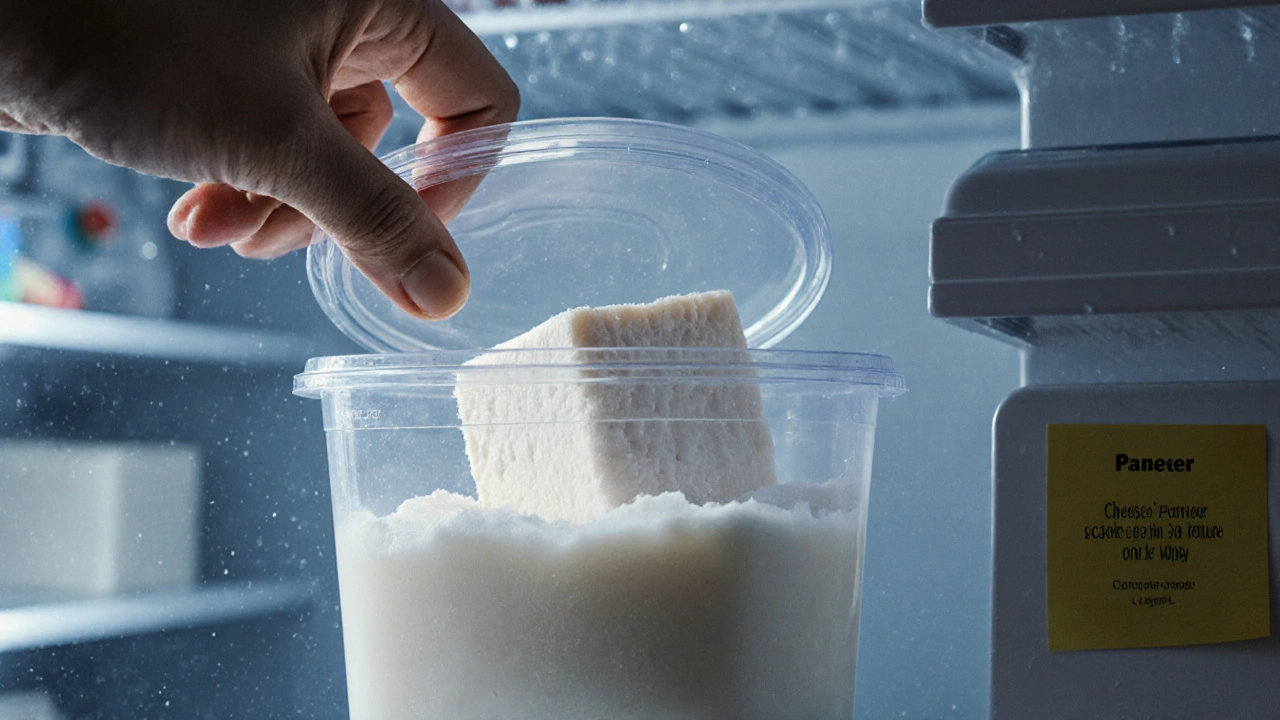
Take paneer, a fresh Indian cheese made by curdling milk with acid. Also known as Indian cottage cheese, it’s used in everything from butter paneer to street food snacks. Store-bought paneer is often hard and rubbery because it’s pressed too long and stored in water. But you can fix that—either by soaking it in warm salted water for 10 minutes, or by making your own with slightly sour milk. Not all sour milk is bad. If it’s safely fermented, it makes softer, tastier paneer. And if you’re wondering if 10-day-old paneer is safe? It’s not. Fresh paneer lasts 5–7 days max in the fridge. Freezing it extends life, but texture changes. Knowing this saves you from food poisoning and wasted groceries.
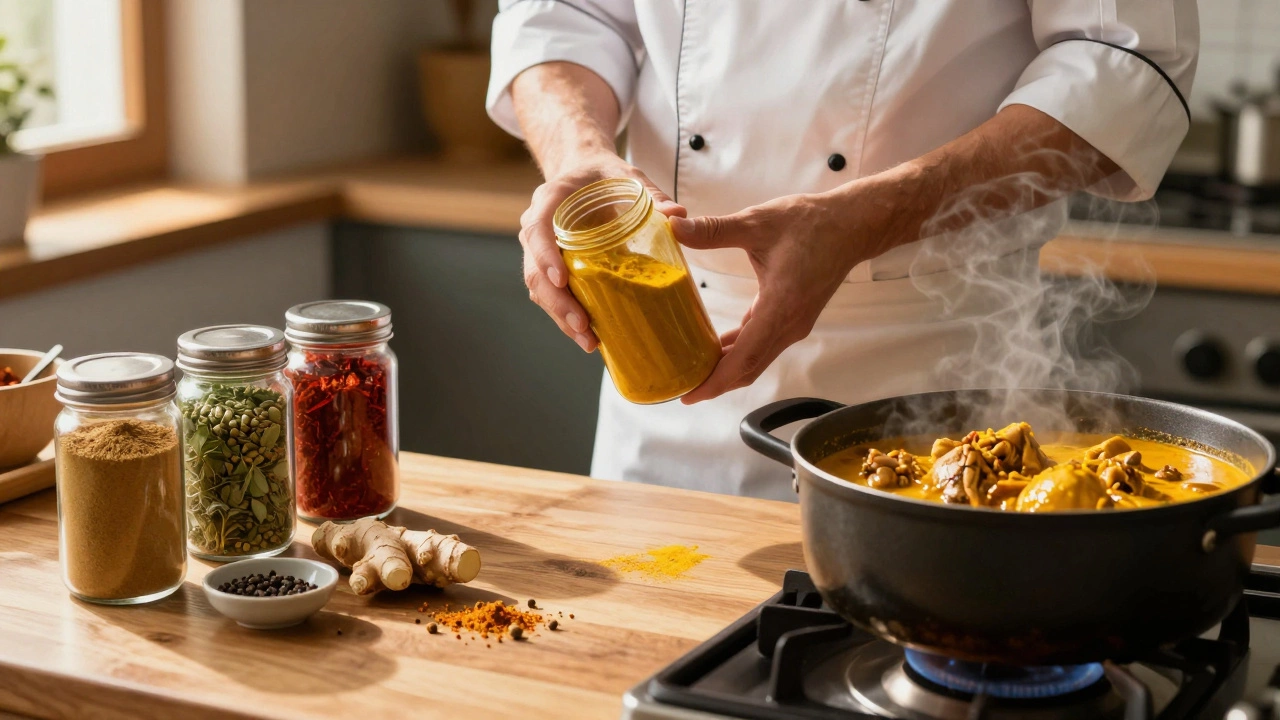
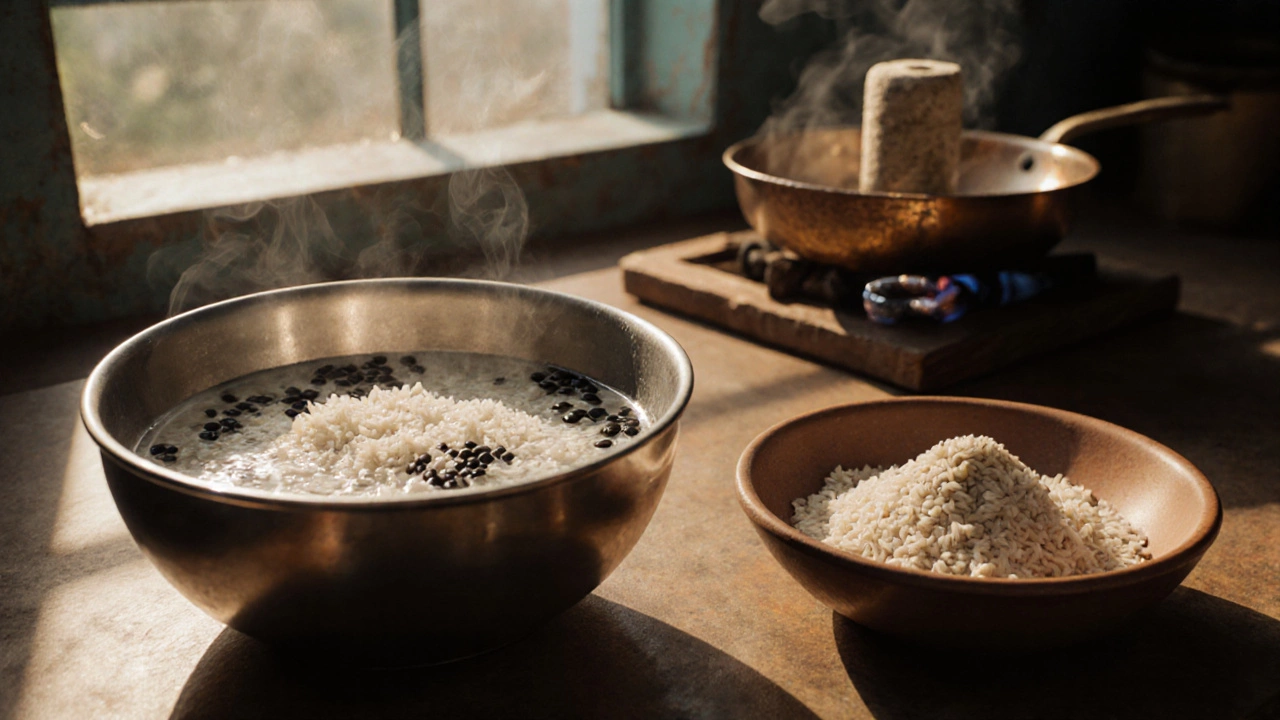
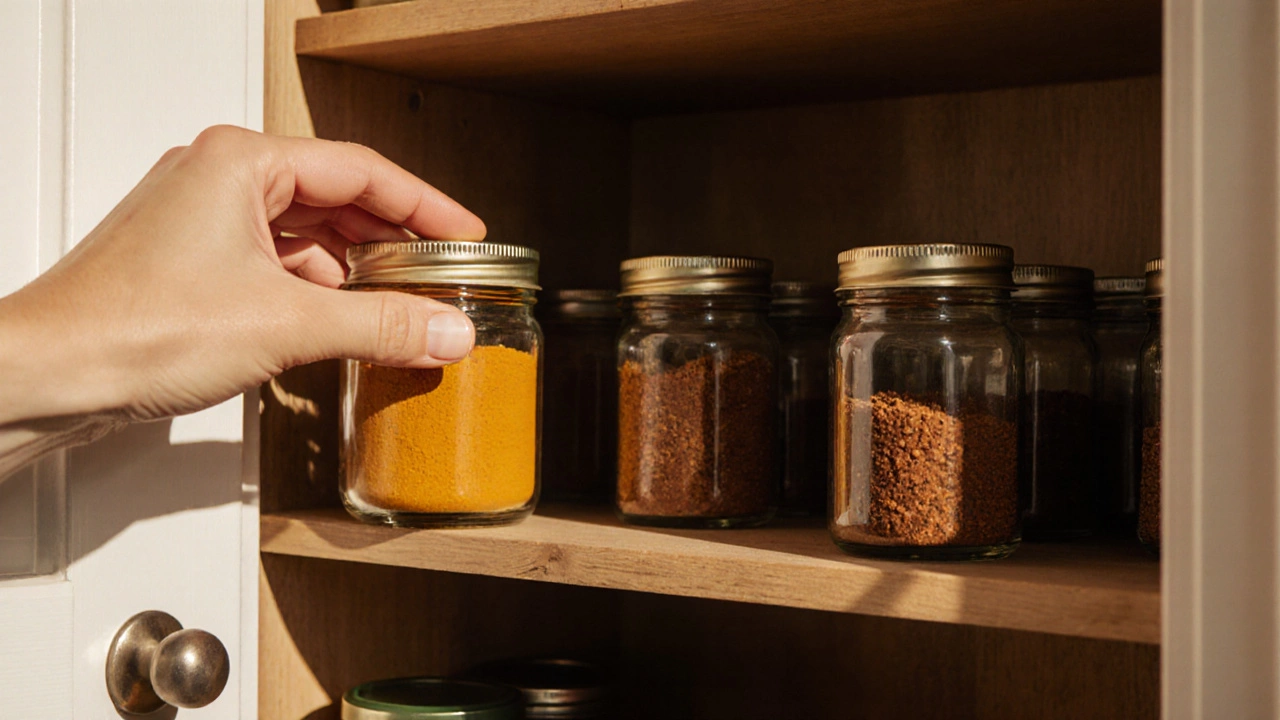
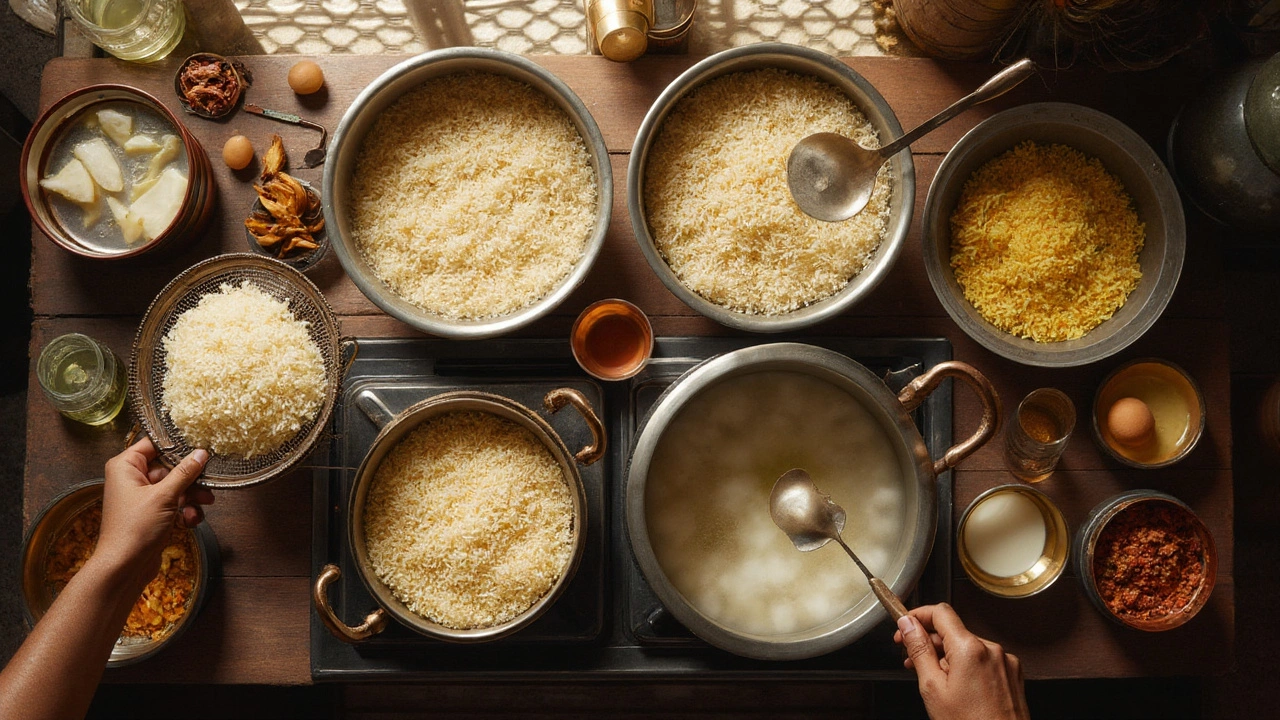
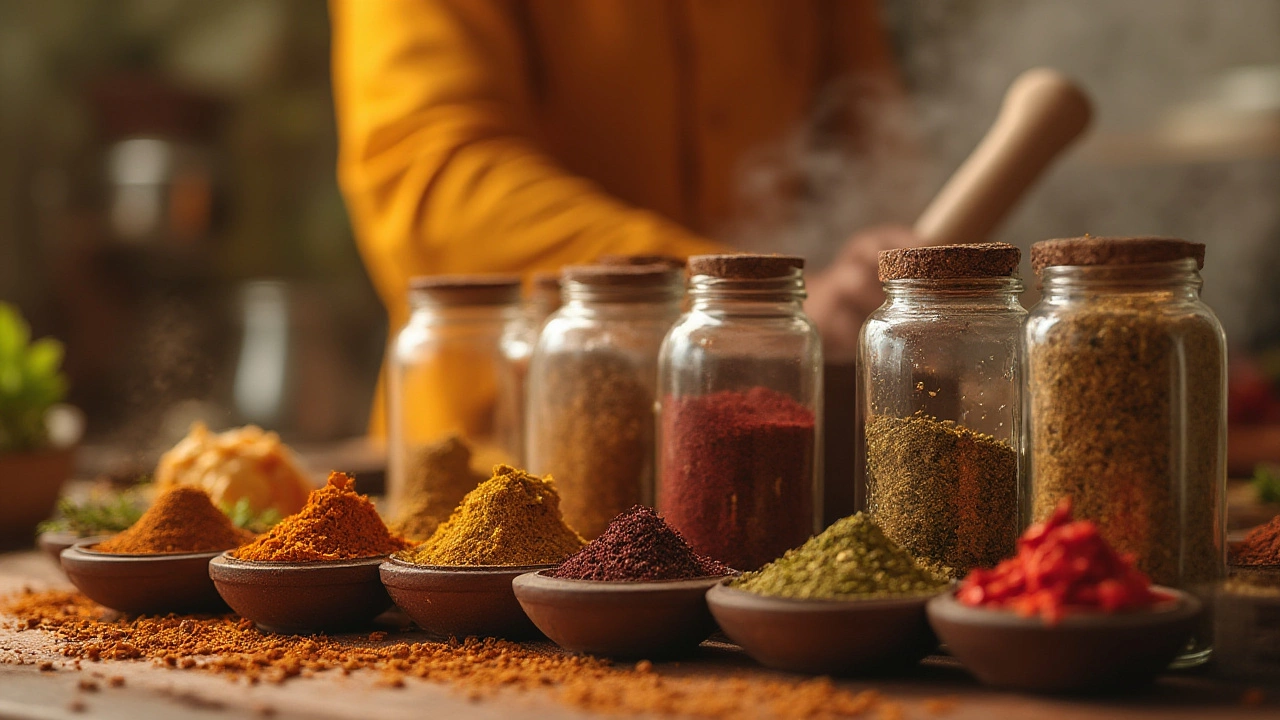
curry, a spiced stew or sauce made with vegetables, meat, or legumes. Also known as curry dish, it’s the heart of Indian meals. What makes a curry rich isn’t just heat—it’s layering. Toasting whole spices before grinding, adding tomato paste for umami, finishing with garam masala at the end. Curry powder? It’s a blend, not a single spice. Garam masala comes closer to authentic flavor than pre-mixed curry powder. And if your curry is too thin? Don’t just add flour. Try blending in roasted onions, coconut milk, or even a spoon of ground cashews. These aren’t tricks—they’re science. Same goes for biryani. Soaking basmati rice for 30 minutes isn’t optional. It’s what keeps grains long, separate, and fluffy after steaming. Skip it, and you get mush. Over-soak it, and the grains break. Timing matters.
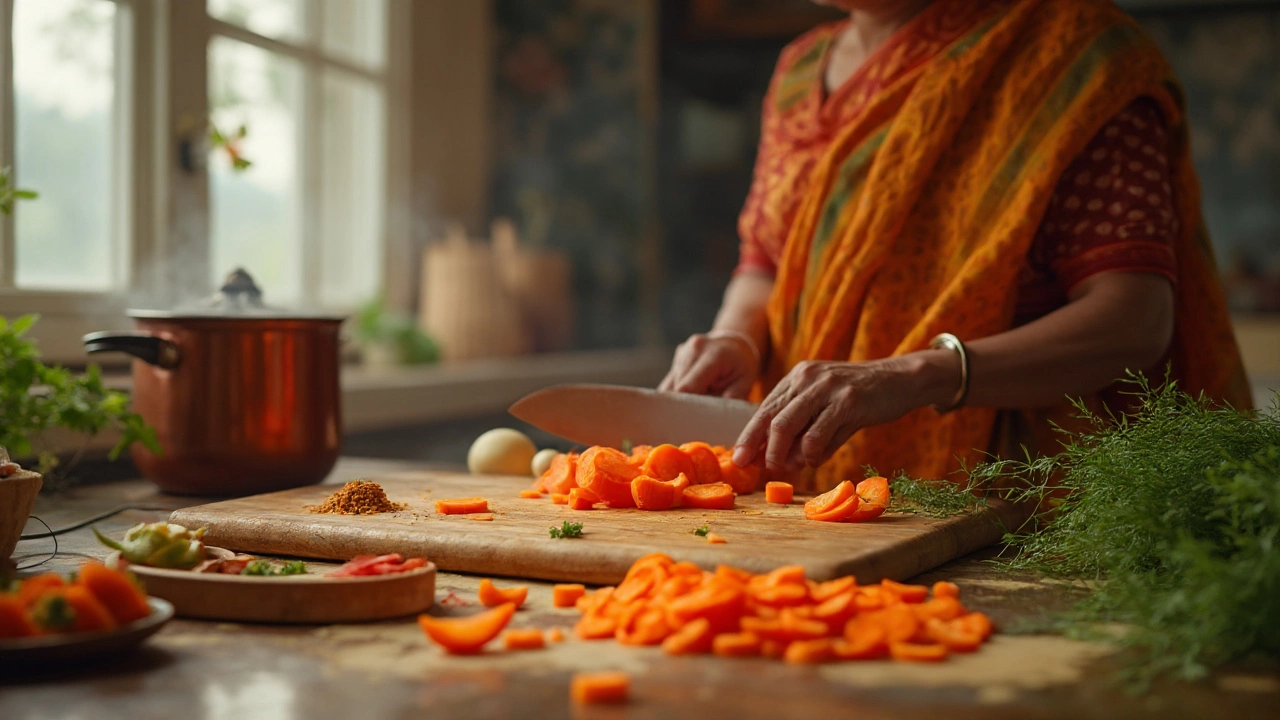
Even something as simple as cutting carrots for curry affects flavor. Big chunks stay crunchy. Thin slices soften faster and blend into the sauce. Rotis aren’t just round because they look nice—they cook evenly. A thick roti stays doughy inside. A thin one crisps up just right on the tawa. And yes, you can make dosa without waiting 12 hours for fermentation. Baking powder, lemon juice, or leftover fermented batter can speed it up. You don’t need perfection. You need to understand why things work.
These cooking tips aren’t about following rules. They’re about understanding ingredients, timing, and technique. Whether you’re fixing hard paneer, thickening a watery curry, or making biryani that doesn’t taste like plain rice, the answers are here. No fluff. No theory. Just what actually works in a real kitchen.


- 1
- 2