Dal Recipes: Simple, Healthy Lentil Dishes for Every Kitchen
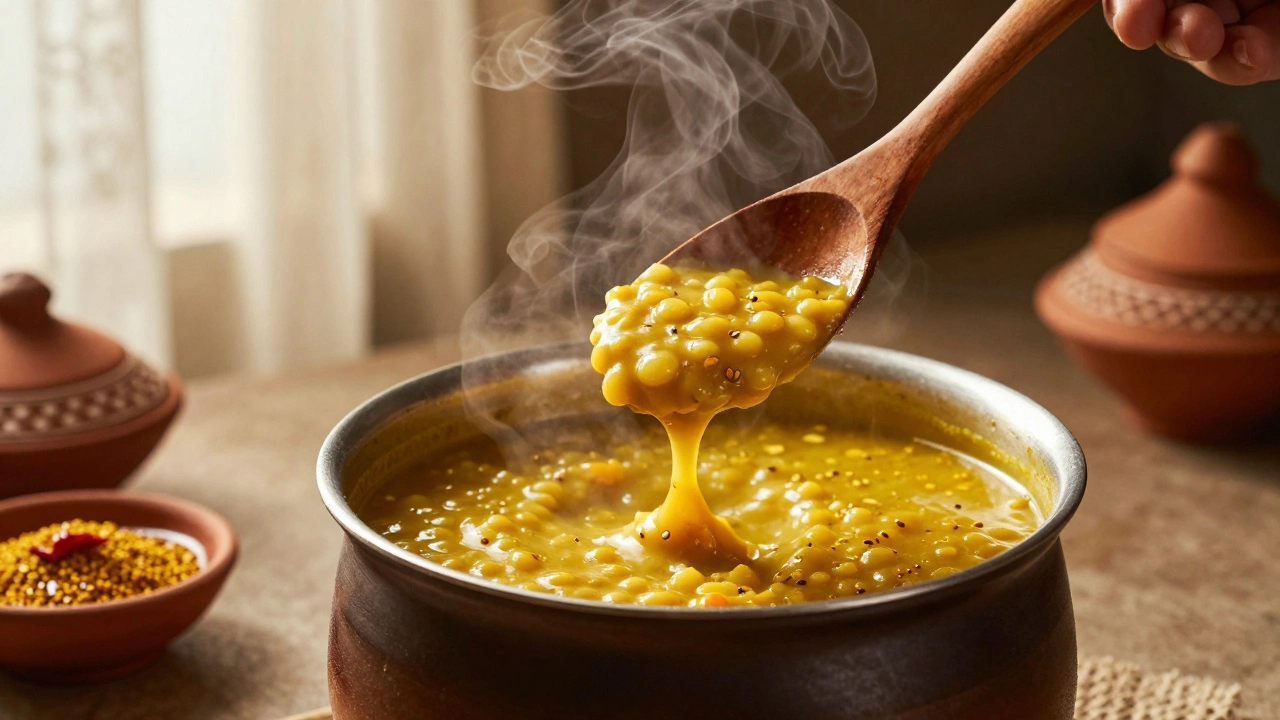
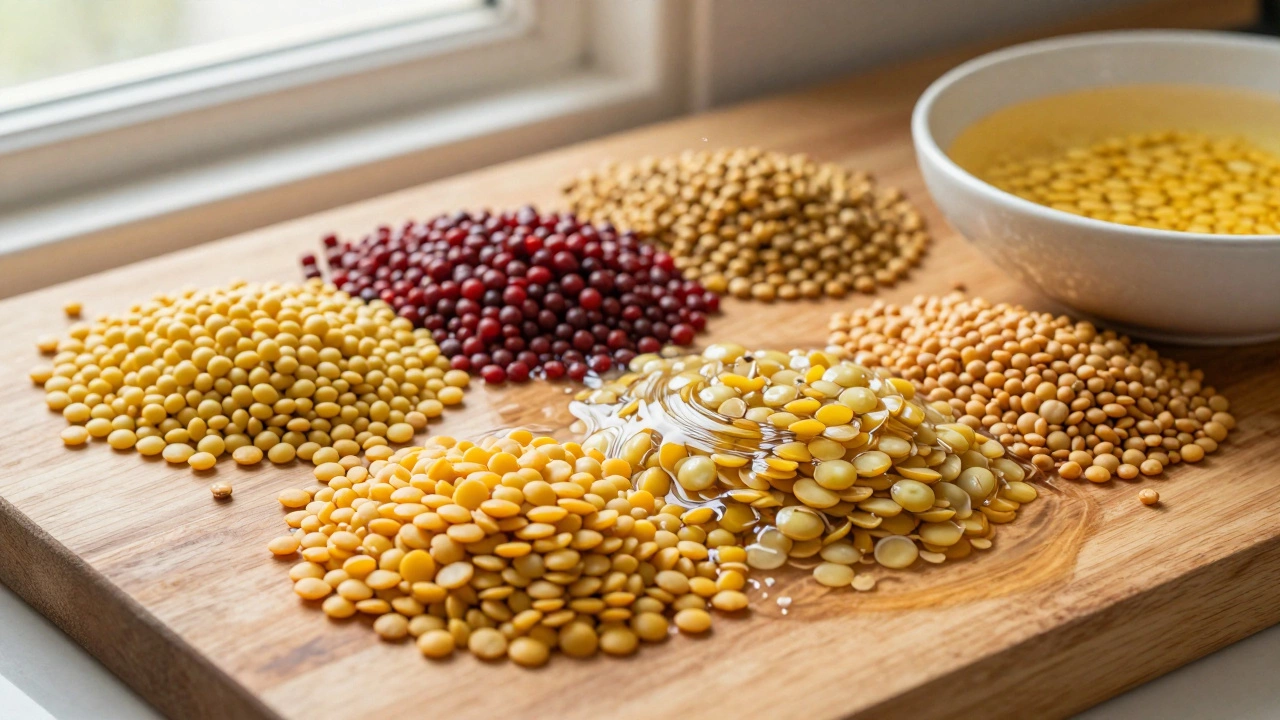
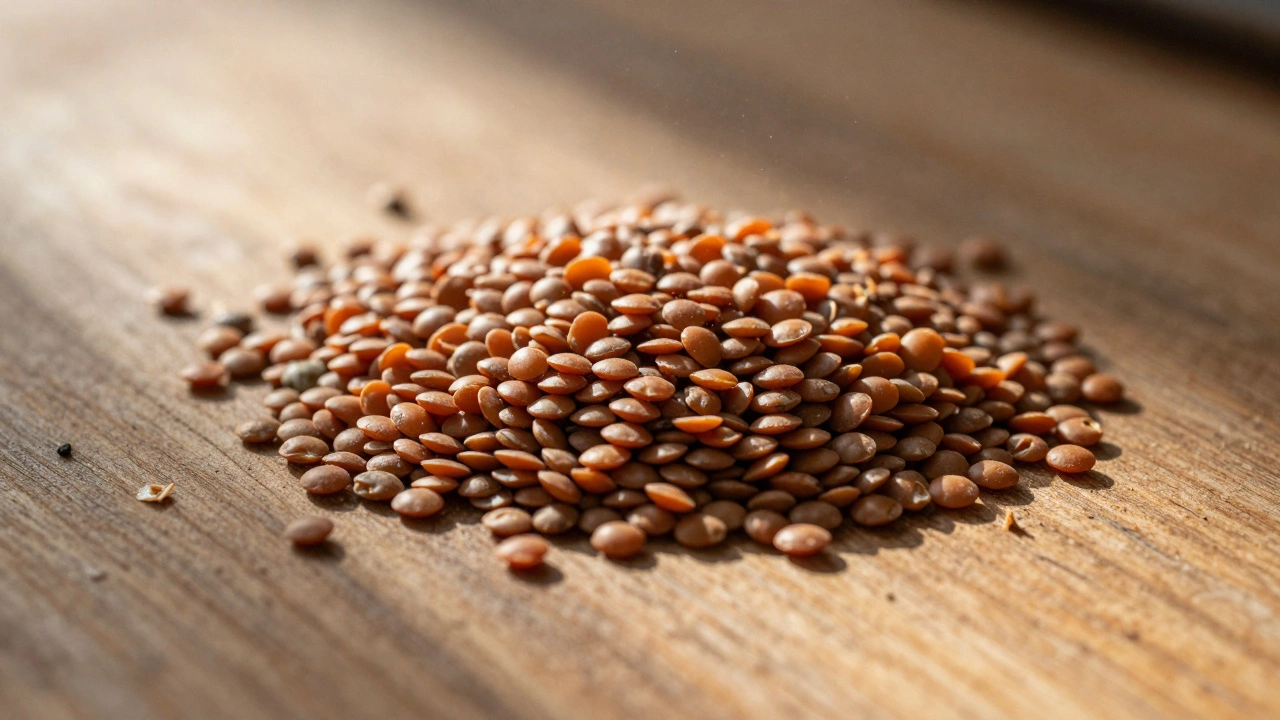
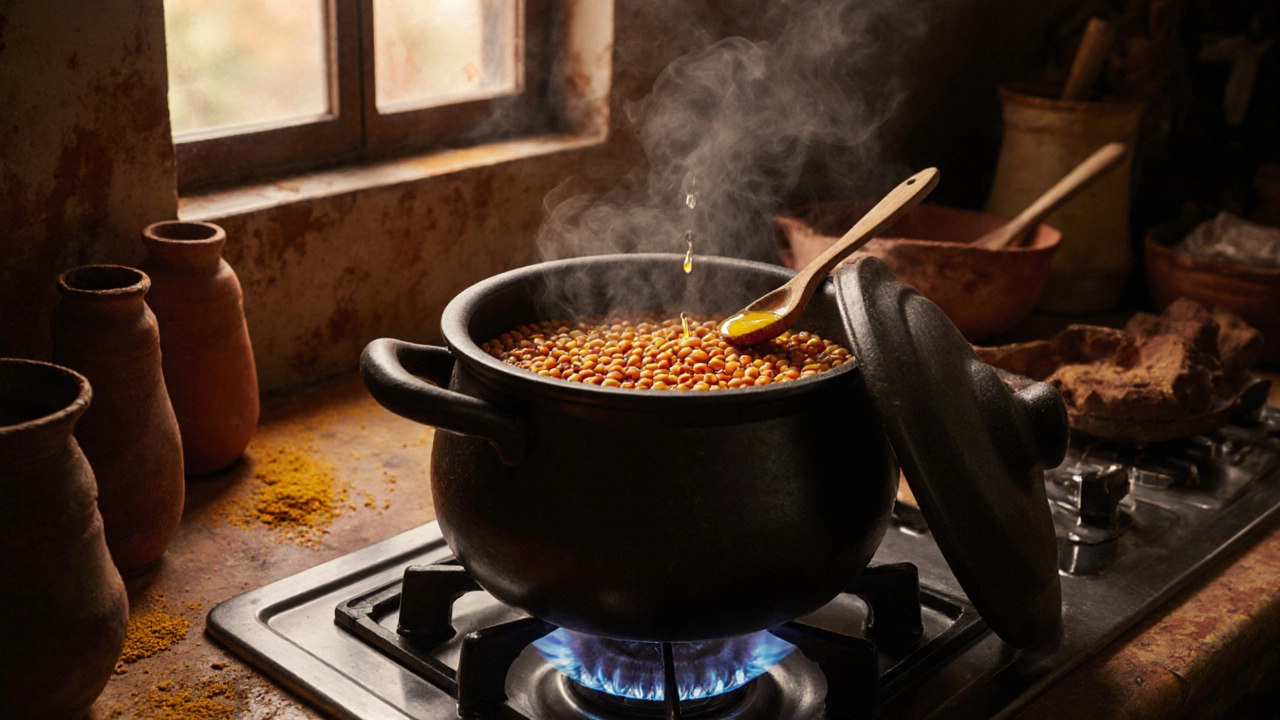
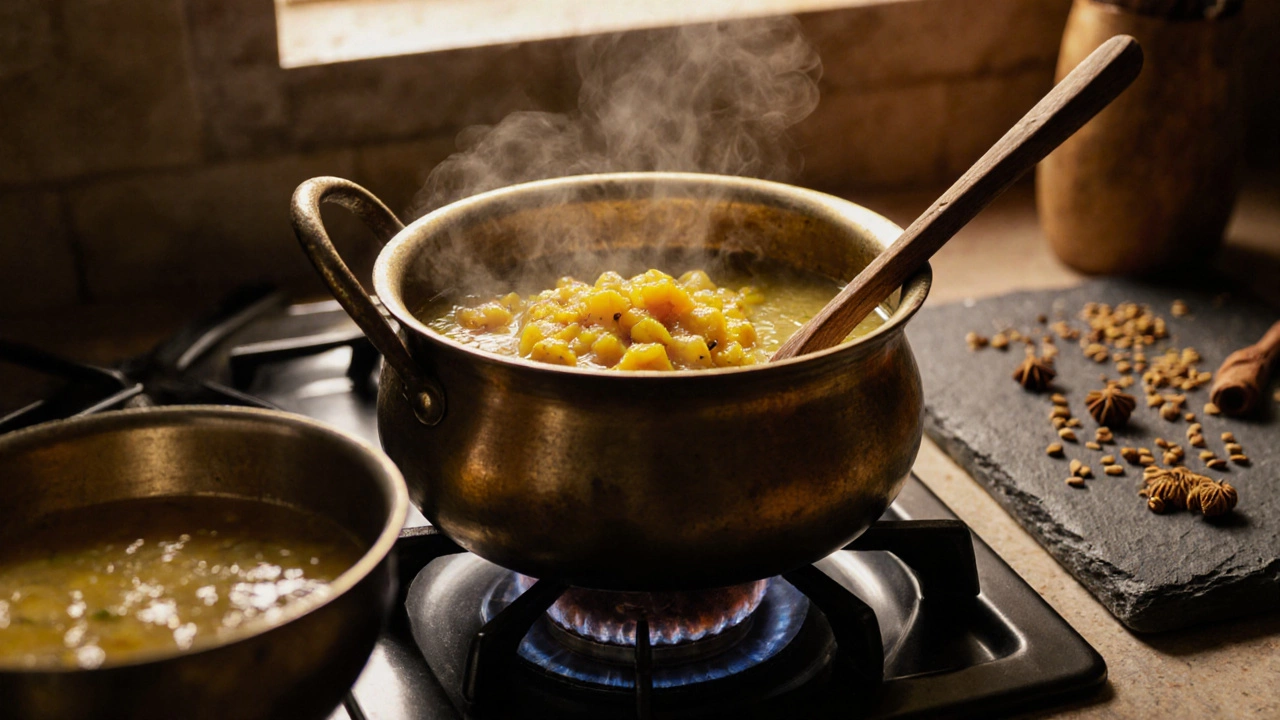
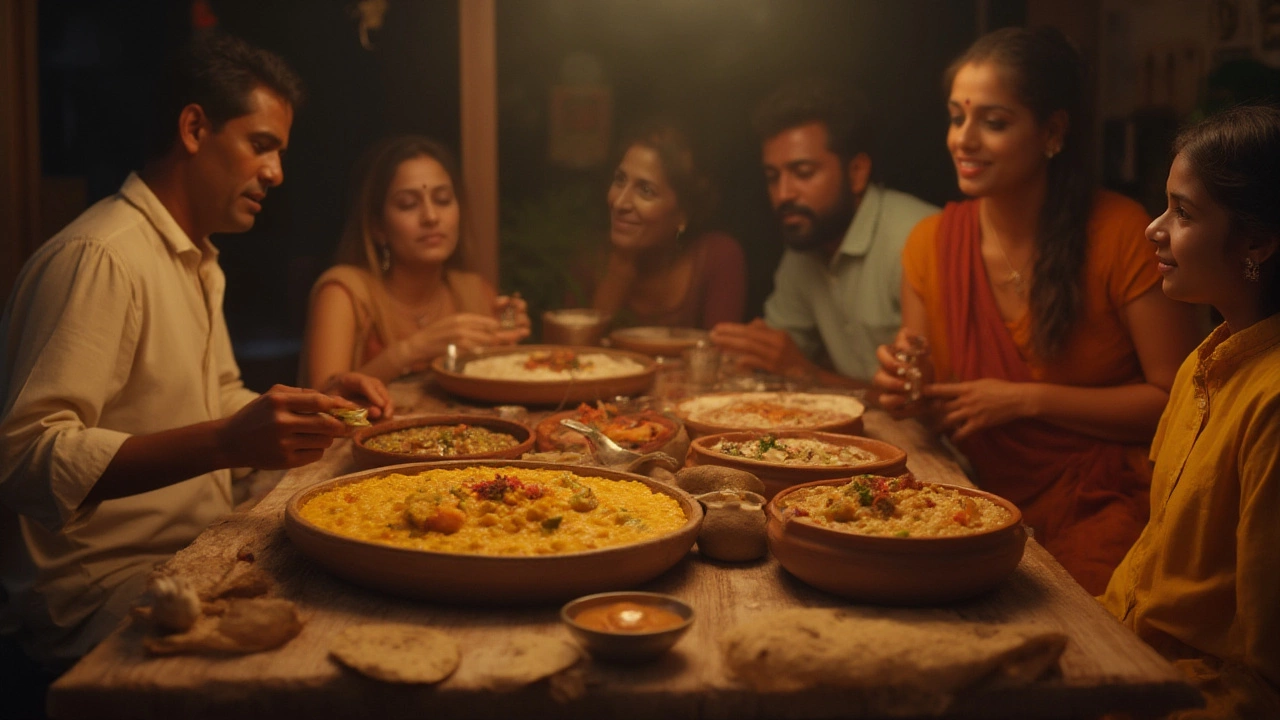
When you think of dal, a staple Indian dish made from split lentils or pulses, often cooked with spices and served with rice or flatbread. Also known as lentil curry, it's one of the most trusted sources of plant-based protein in homes across India and beyond. But dal isn’t just a side dish—it’s a daily ritual, a comfort food, and sometimes, the only thing keeping your digestion in check. Whether you’re using moong, toor, chana, or masoor dal, how you prepare it makes all the difference. Many people skip the basics—like rinsing, soaking, or getting the water ratio right—and end up with mushy, gassy, or undercooked lentils. It doesn’t have to be that way.
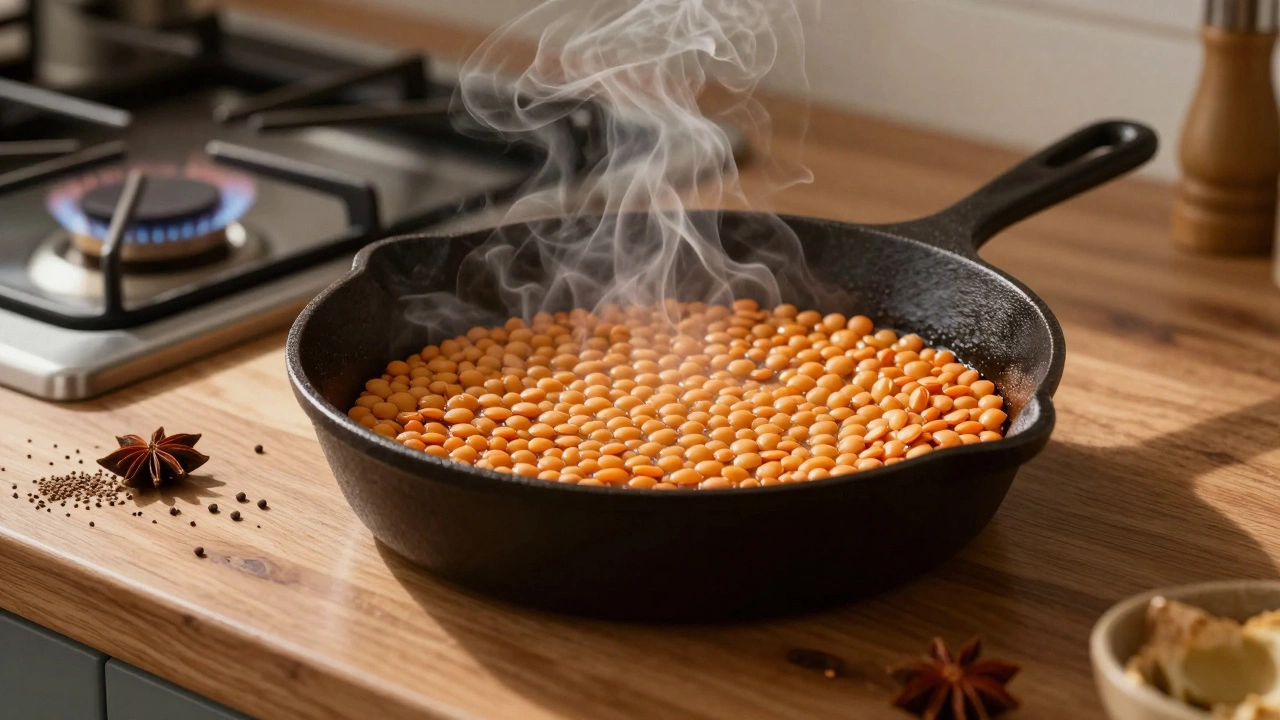
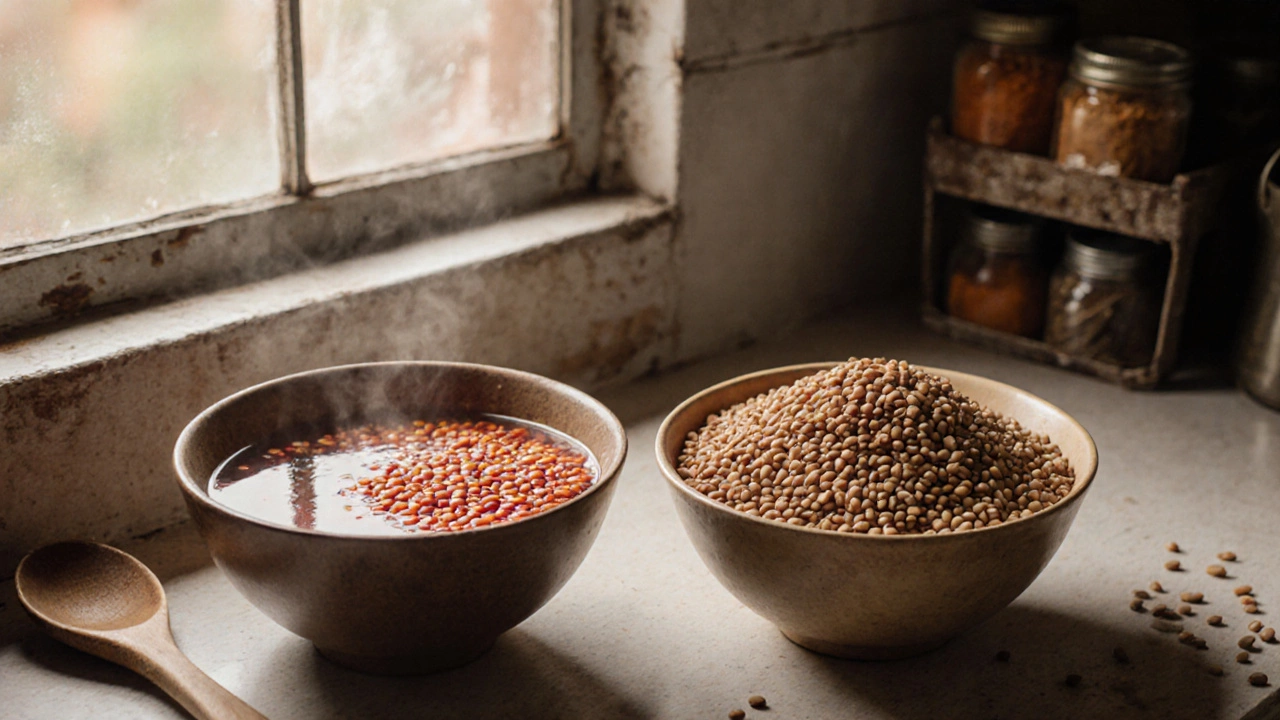
The real secret to great dal isn’t in fancy spices or slow-cooked broths. It’s in the small, often ignored steps: water to dal ratio, the exact amount of liquid needed to cook lentils without turning them into paste or leaving them crunchy, dal digestion, how certain types of lentils are easier on the stomach than others, and why soaking matters more than you think, and dal nutrition, the mix of protein, fiber, and minerals that makes lentils a powerhouse food. You don’t need to be a chef to get this right. You just need to know what to do—and what not to do. For example, cooking dal covered or uncovered changes the texture. Not rinsing it might leave behind dust or grit. Skipping soaking can mean longer cooking time and more bloating. And yes, some dals really are harder to digest than others—especially if you eat them late at night.
What You’ll Find in These Recipes
This collection cuts through the noise. No fluff. No myths. Just clear answers to the questions you actually ask: Why does my dal taste bland? Should I rinse it? Is dal healthy or just carbs? Can I eat it at night without feeling heavy? You’ll find out how to fix watery dal, how to make it creamy without cream, and which lentils give you the most protein without the gas. Every article here comes from real kitchen experience—tested by home cooks who want results, not just recipes. Whether you’re new to Indian cooking or you’ve been making dal for years, you’ll walk away with tricks that actually work. No more guessing. No more wasted pots. Just better dal, every time.


- 1
- 2