Dosa Recipes: Perfect Batter, Fermentation Tips, and Common Mistakes Fixed
When you think of dosa, a thin, crispy South Indian fermented crepe made from rice and urad dal batter. Also known as dosa pancake, it's one of India’s most loved breakfasts—and one of the most misunderstood. Get the batter wrong, and you end up with a rubbery, hard, or flat disc that sticks to the pan. Get it right, and it’s golden, crisp at the edges, soft inside, and perfect with coconut chutney.
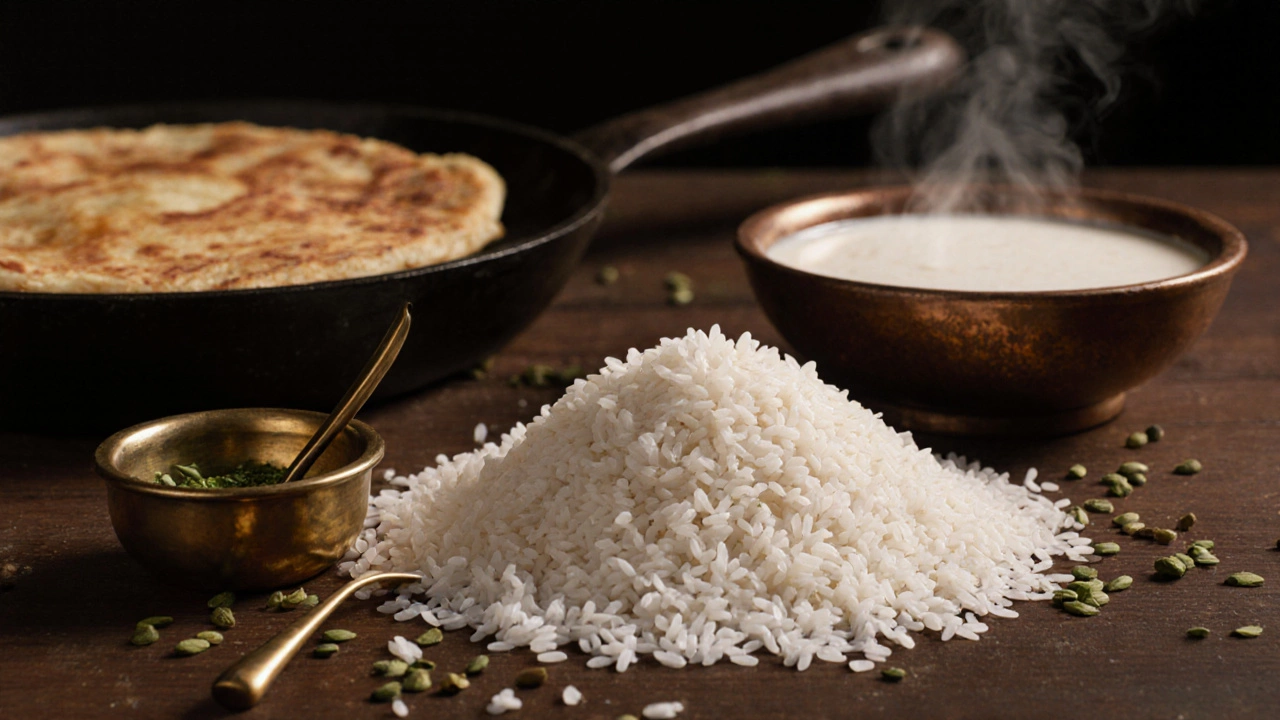
The secret isn’t just in the recipe—it’s in the rice, the base grain that gives dosa its structure and crunch. Not all rice works. You need specific types like idli rice or parboiled rice, not regular long-grain or jasmine. Then there’s urad dal, the black lentil that ferments into airy bubbles and gives dosa its lift. Soaking it overnight? Yes. Soaking it with the rice? Sometimes. But the timing and ratio change everything. And if you’re skipping fenugreek because you don’t have it, don’t panic—there are real alternatives that still let the batter rise. Even baking soda, a quick fix many use to rescue sluggish batter. It’s not a magic trick—it’s a timing game. Add it too early, and it kills fermentation. Add it right, and it turns a flat dosa into a fluffy one.
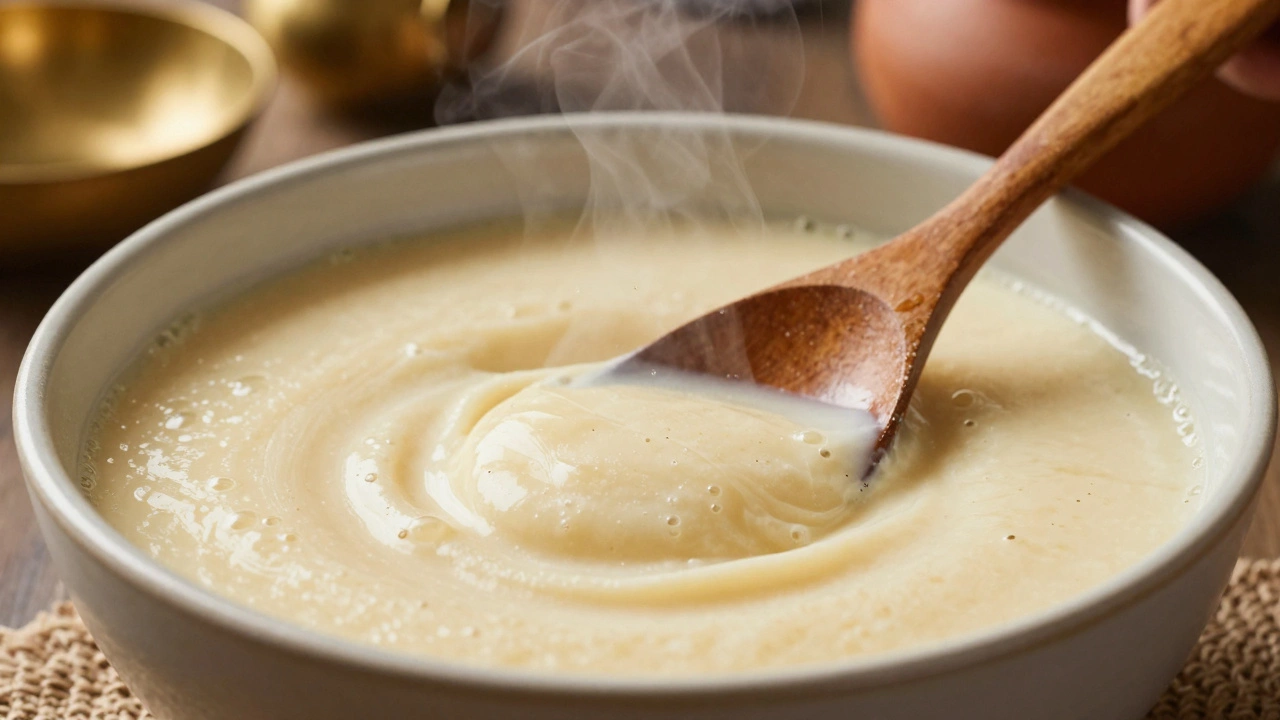
People think dosa batter is simple. It’s not. It’s science. Temperature, humidity, water quality, soaking time, grinding texture—all of it matters. If your dosa keeps turning out hard, rubbery, or doesn’t crisp up, it’s not your pan. It’s the batter. And the fixes? They’re simple once you know what’s going wrong. In this collection, you’ll find real answers: which rice makes the crispiest dosa, whether you can soak rice and urad dal together (and when you shouldn’t), how baking soda actually works in the batter, why fenugreek isn’t always needed, and how to fix batter that just won’t ferment. No fluff. No guesswork. Just what works.