Biryani Recipes: Authentic Flavors, Key Ingredients, and How to Get It Right
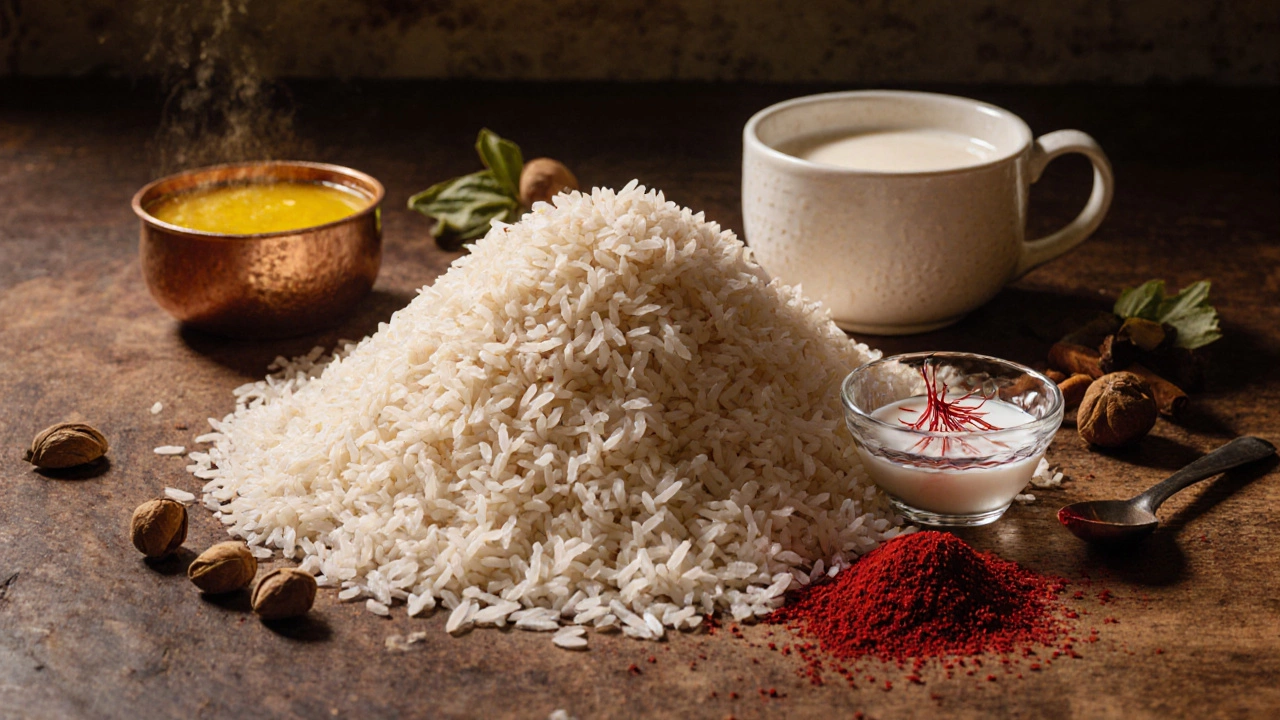
When you think of biryani, a layered rice dish from India, often made with spiced meat and aromatic basmati rice, cooked slowly to lock in flavor. Also known as biryani rice dish, it’s not just food—it’s a ritual of patience, spice, and tradition. What makes one biryani unforgettable and another bland? It’s not just the recipe. It’s the basmati rice, long-grain rice that stays separate and fragrant when cooked, essential for authentic biryani texture. It’s the ghee, clarified butter that adds depth and carries spice oils into every grain. And it’s the dum cooking technique, sealing the pot to trap steam and slowly infuse flavors from bottom to top. These aren’t optional extras—they’re the foundation.
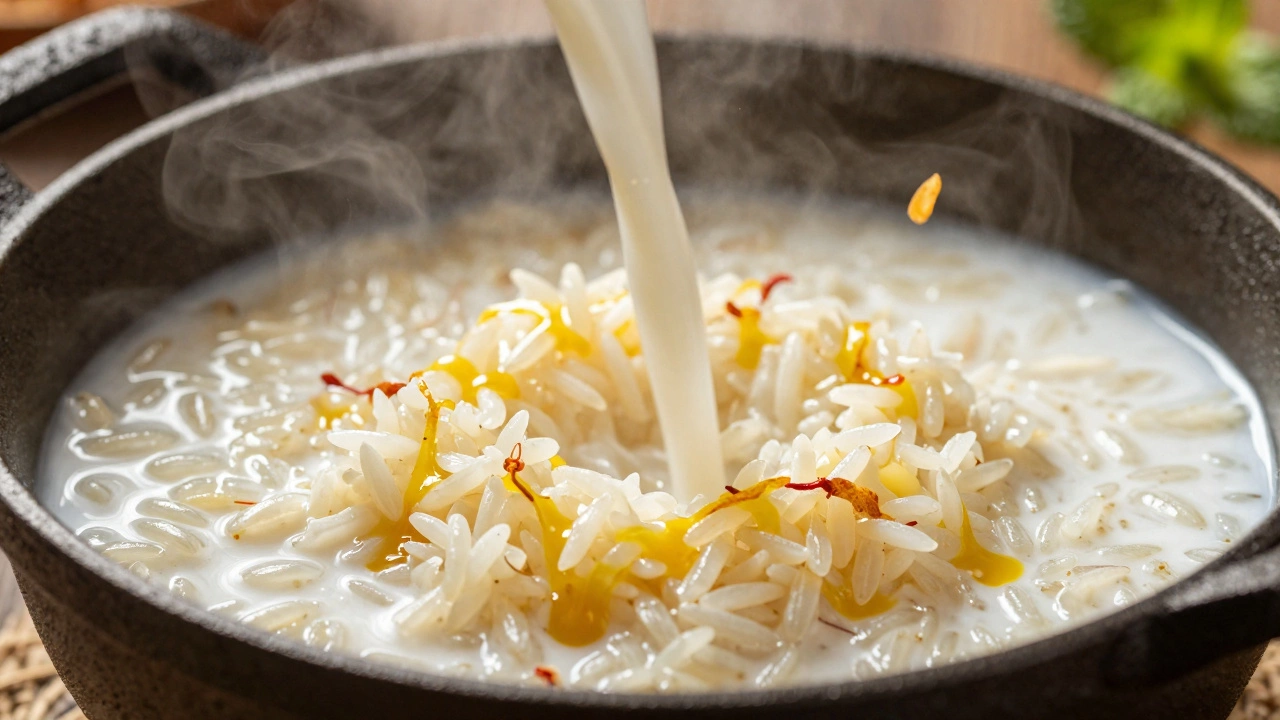
Most people think biryani is all about the spices, but the real magic happens in the balance. Too much turmeric? Bitter. Not enough yogurt? Tough meat. Skipping the saffron soak? Missing that golden glow and floral note. The biryani spices, a blend of whole and ground spices like cardamom, cloves, cinnamon, and fennel, toasted and ground fresh for maximum aroma need to be layered, not dumped. And the rice? It’s not just any rice. Biryani rice must be aged basmati—dry, long, and fragrant. Sona Masoori or jasmine won’t cut it if you want that signature fluff. Even the water you use matters. Hard water can ruin the texture. Many skip this detail and wonder why their biryani turns mushy.
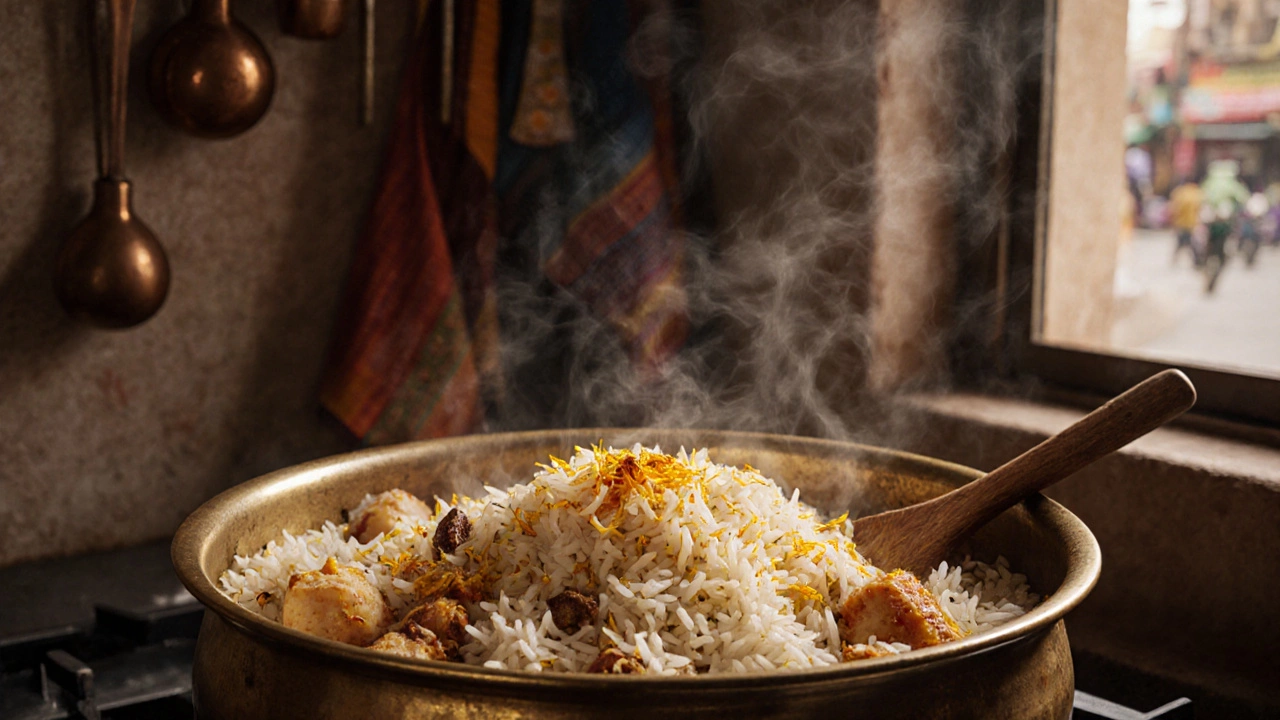
And then there’s the mistake no one talks about: overcooking the meat before layering. If the chicken or lamb is fully cooked before it hits the pot, it turns dry and stringy. It should be just seared, marinated, and waiting to finish cooking in the steam. That’s the secret behind tender, juicy bites. Even the lid matters—use a tight seal, not a loose one. A cloth under the lid traps steam better than any fancy pot. You don’t need a fancy kitchen to make great biryani. You just need to know what to watch for.
Some folks swear by eating biryani with their hands. Others say a fork is fine. But here’s the truth: mixing the layers too early kills the experience. The top layer should stay fragrant, the bottom slightly crispy. The right way to eat it? Dig in gently. Let the rice and meat mingle naturally on your fork or fingers. Pair it with raita, not just for cooling—but because the yogurt cuts through the spice and makes each bite feel complete.
What you’ll find below isn’t just another list of recipes. It’s a practical guide to fixing what goes wrong—why your biryani turns bitter, why it tastes flat, what rice to pick, and how to make sure every pot turns out right. Whether you’re a beginner or someone who’s tried five times and still didn’t get it, these posts cut through the noise. No fluff. No theory. Just what works, tested in real kitchens, by real people who know the difference between good biryani and great biryani.